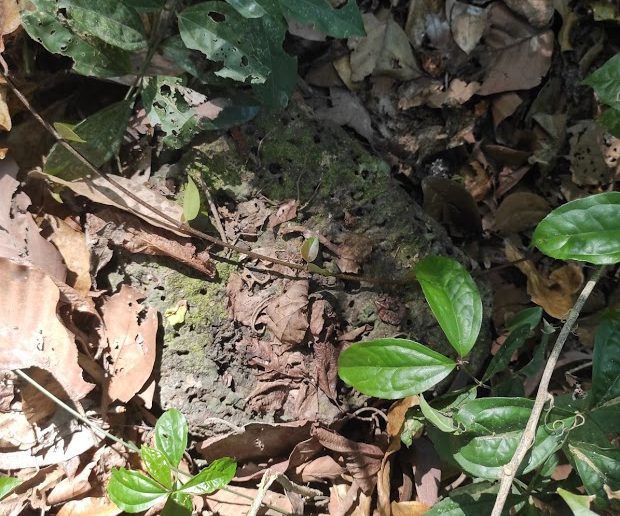
Toul
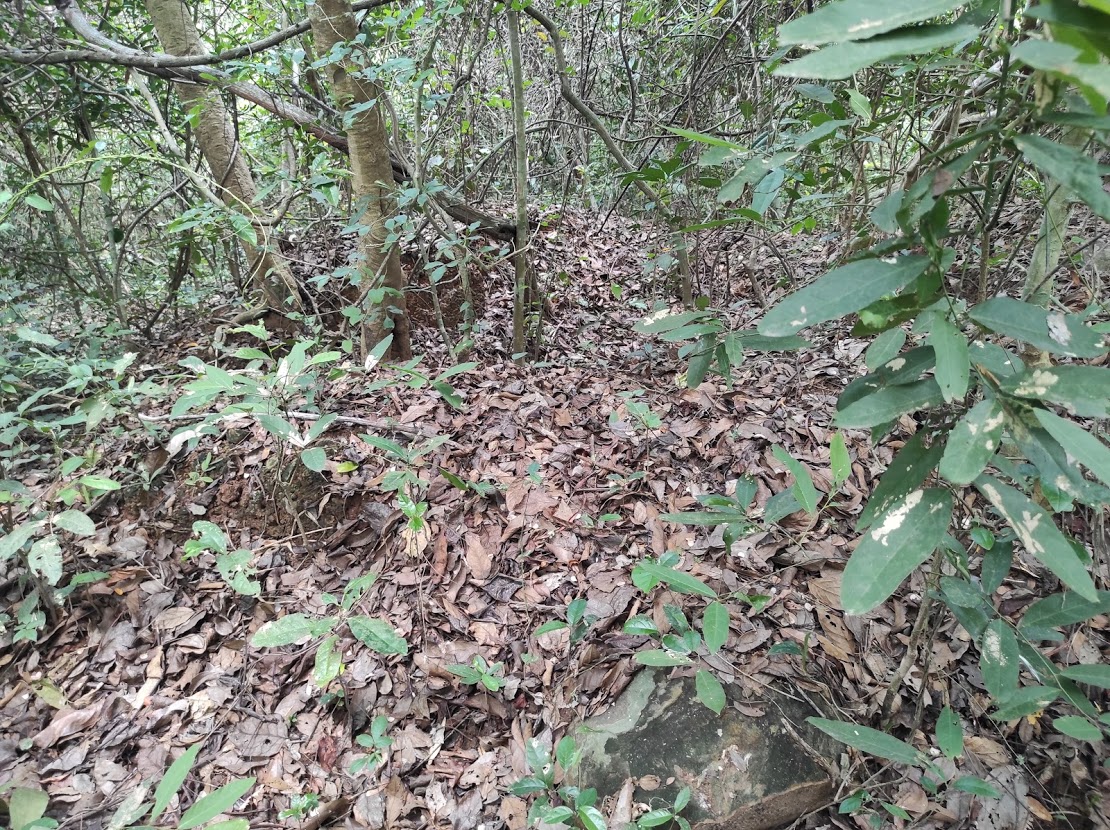
A high-set mound that appears to be surrounded by a moat. Only scant remains of brick and sandstone can be seen at the surface level. Gallery

A high-set mound that appears to be surrounded by a moat. Only scant remains of brick and sandstone can be seen at the surface level. Gallery
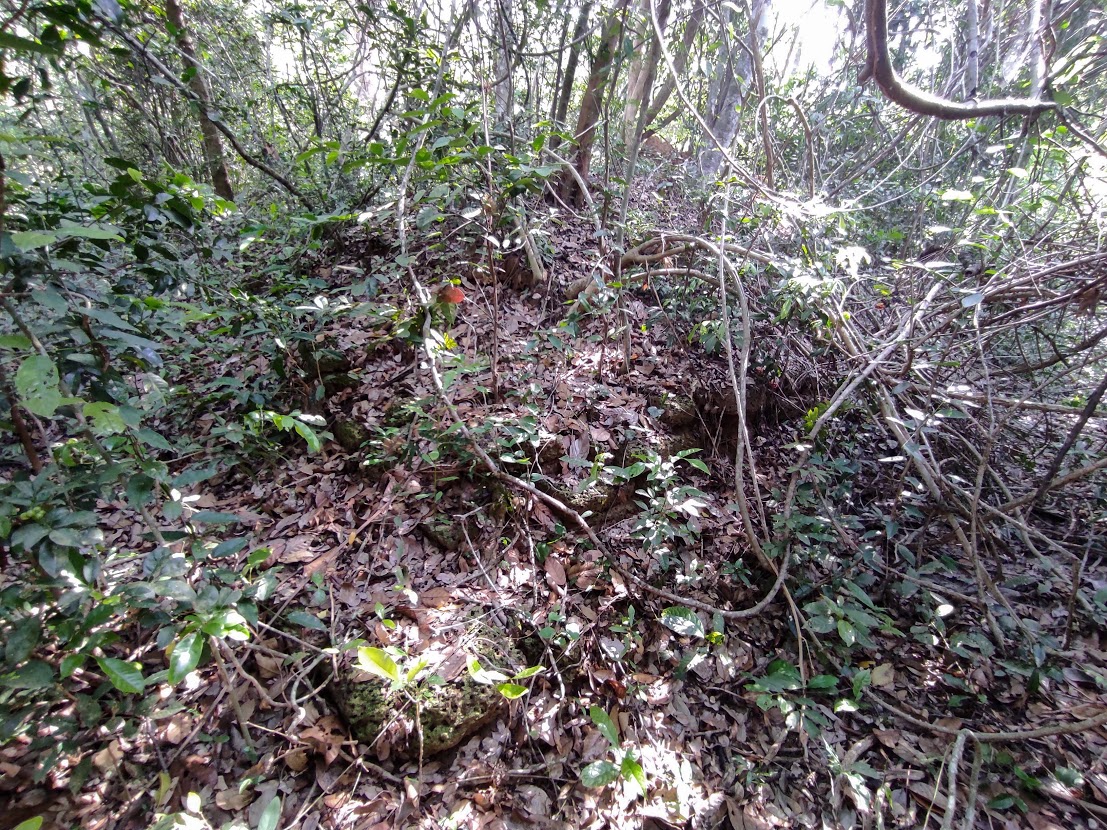
Remains of a shrine constructed from stepped laterite. Measuring around 20 m x 20 m with openings at each cardinal point that lead to what we can see today as a circular well feature at the center. Gallery
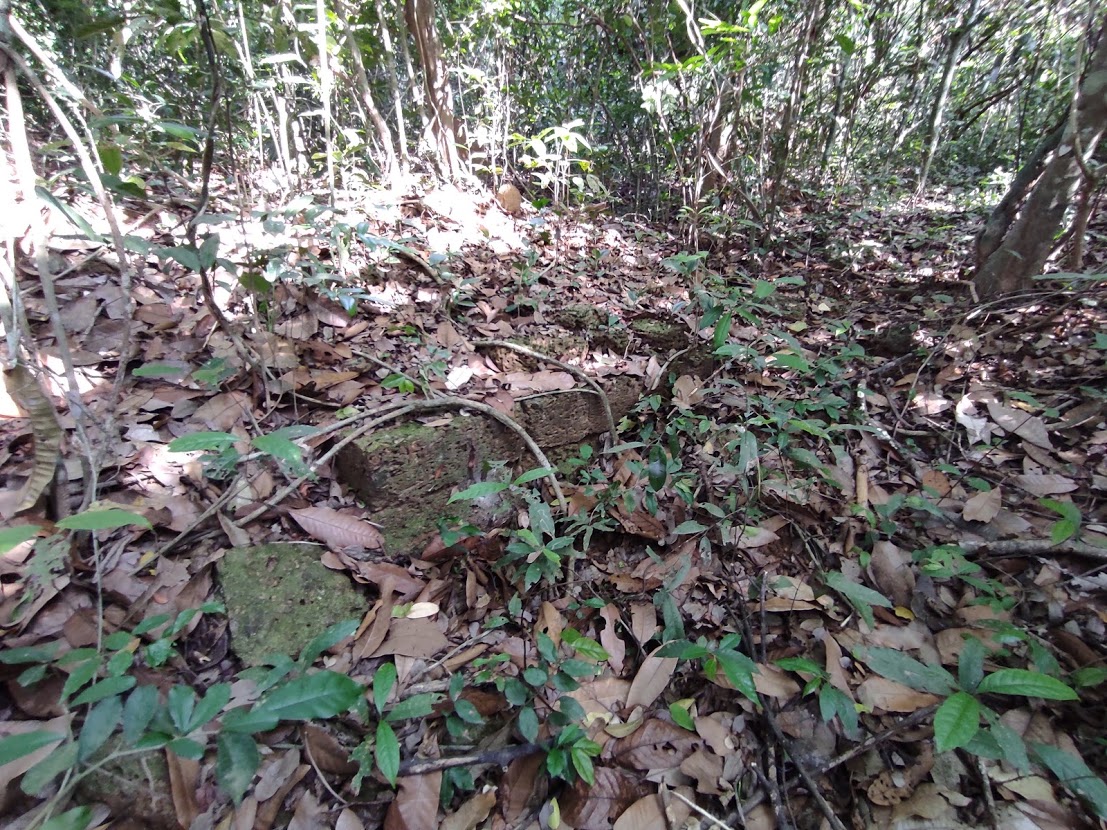
Remains of a laterite structure. Likely related to the southern entry of Phnom Bakheng and its outer wall.
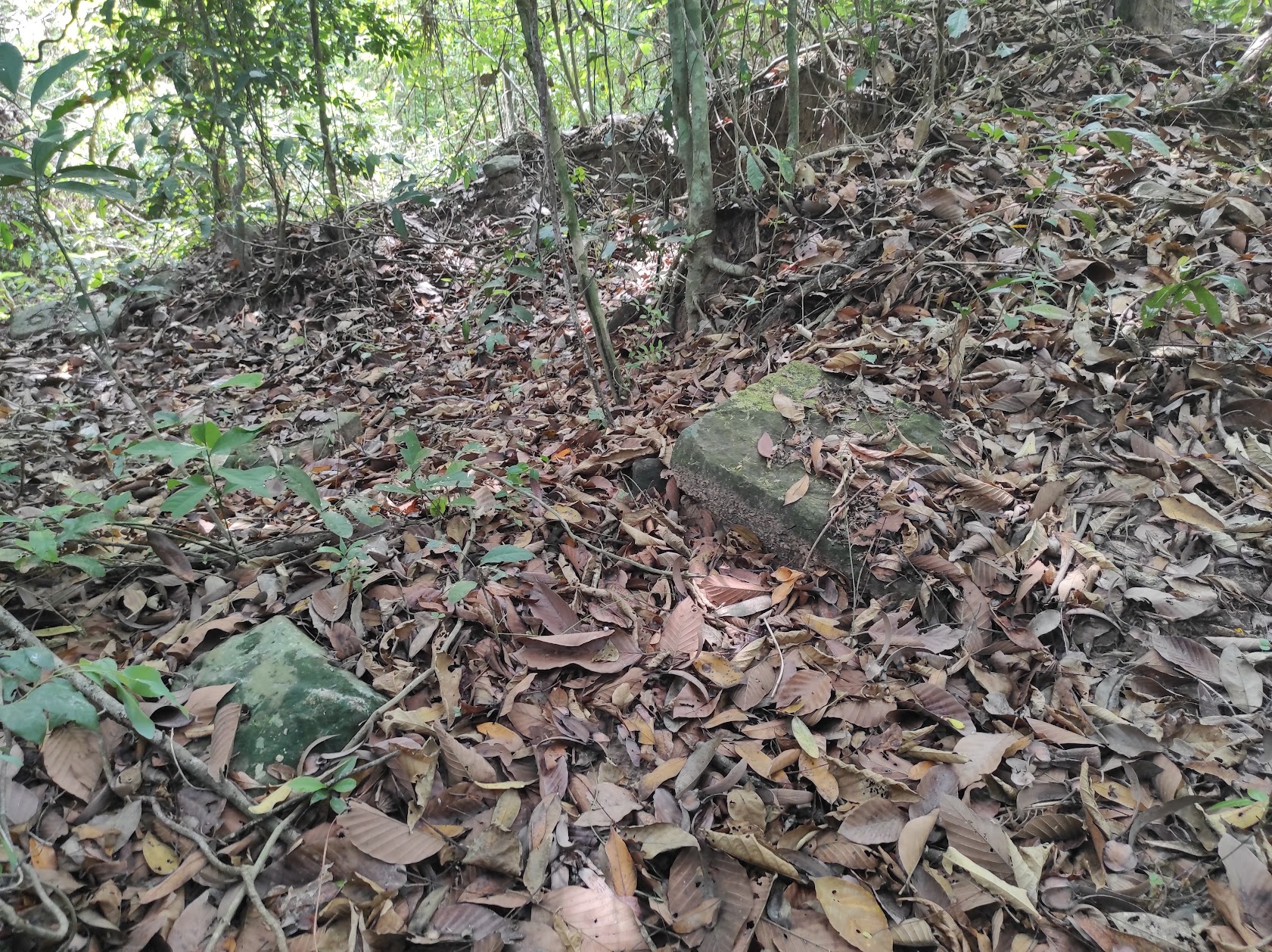
An overgrown and uncleared site featuring a 50 x 50 m mound that rises several meters with scattered sandstone remains, and an excavated area (some time ago) showing what may be the temple construction. Some remains feature carvings albeit quite small and very decayed. Gallery
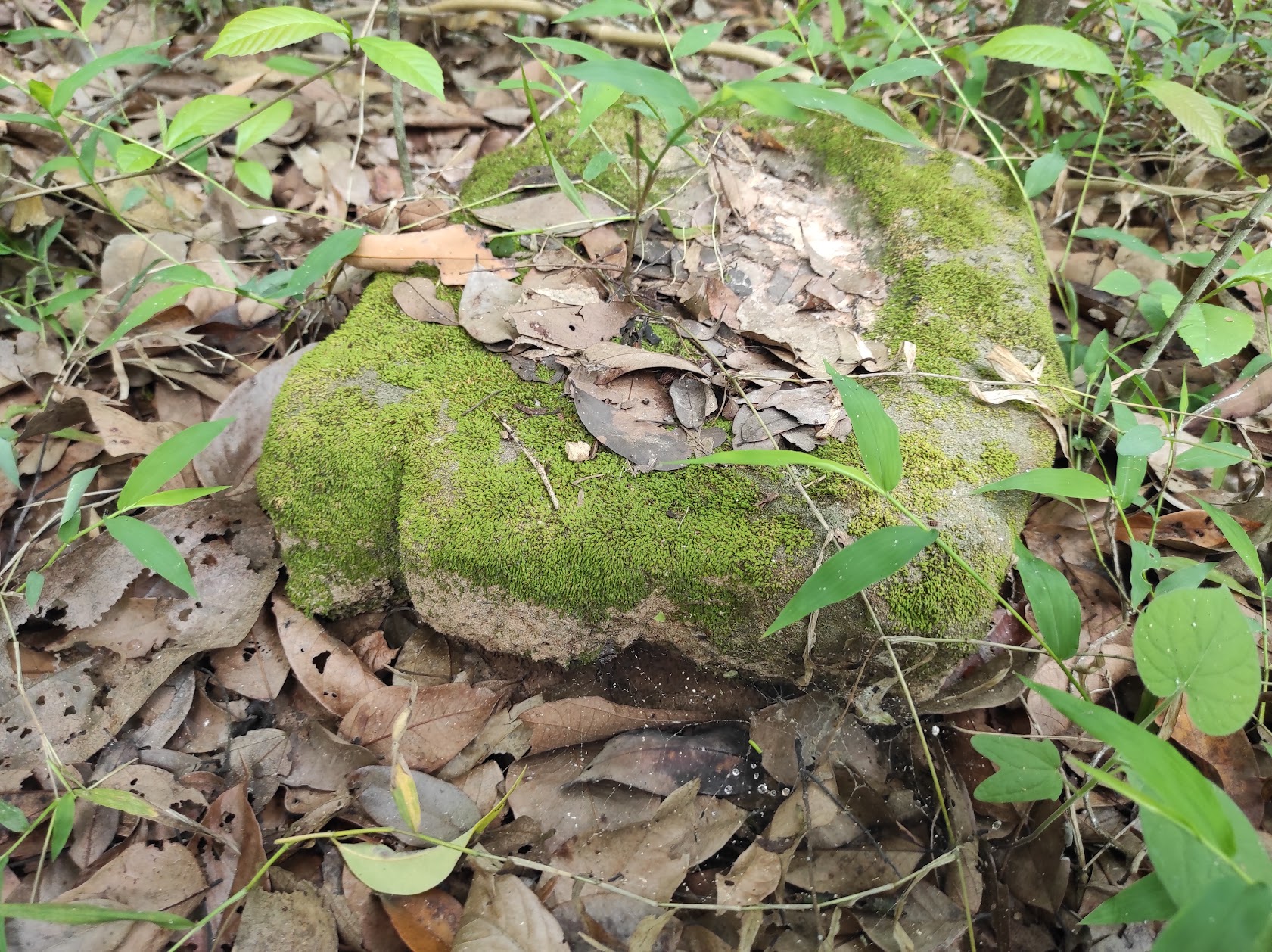
A high set 50 x 50 m mound that opens to the east and surrounded by a moat. Scant remains can be seen at ground level bar what appears to be a very eroded pedestal and sandstone plinths. It is speculated to be from the 9th century. Gallery
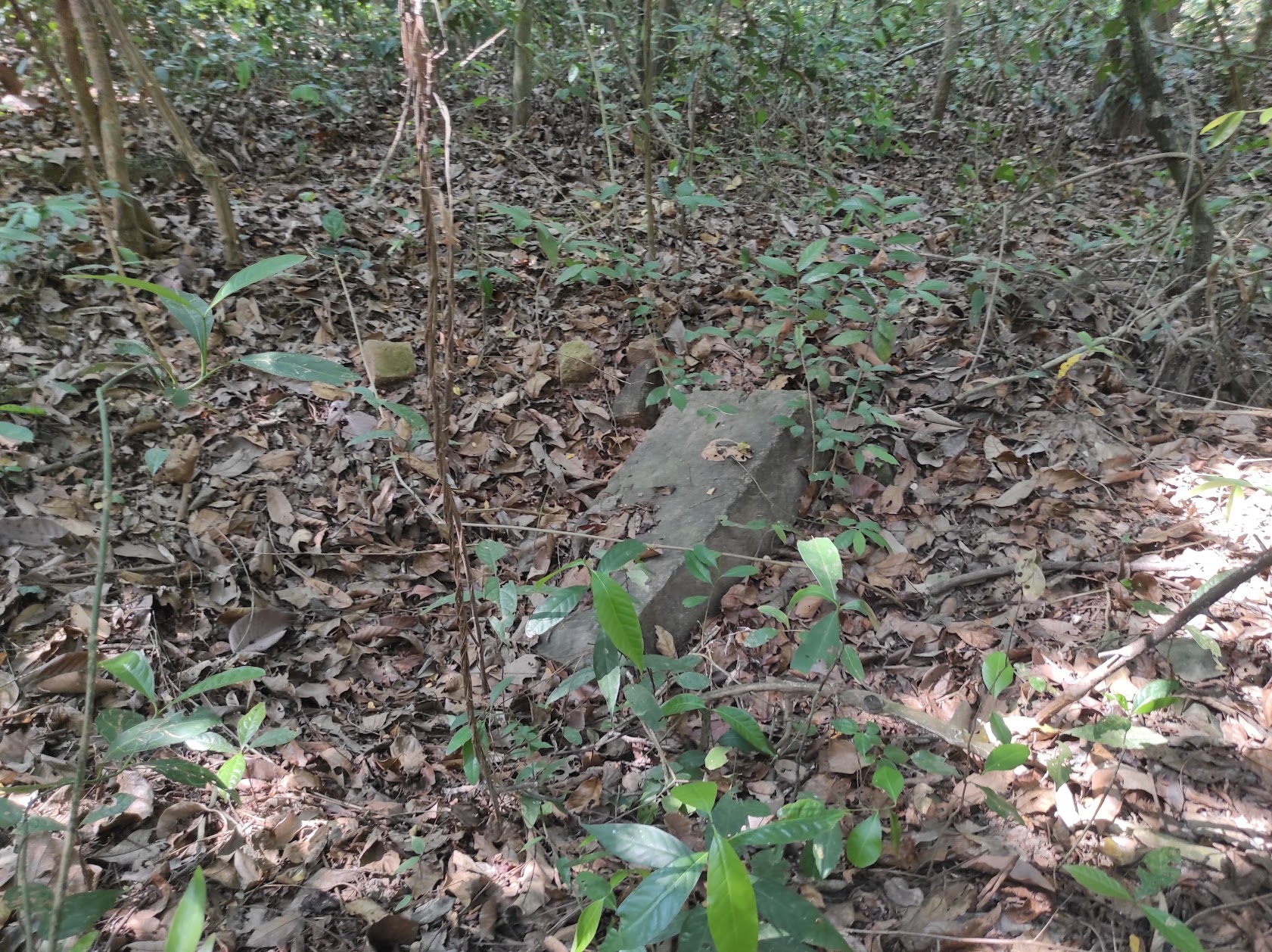
An overgrown site with scant remains including brick pieces, sandstone plinths, and laterite blocks. Gallery
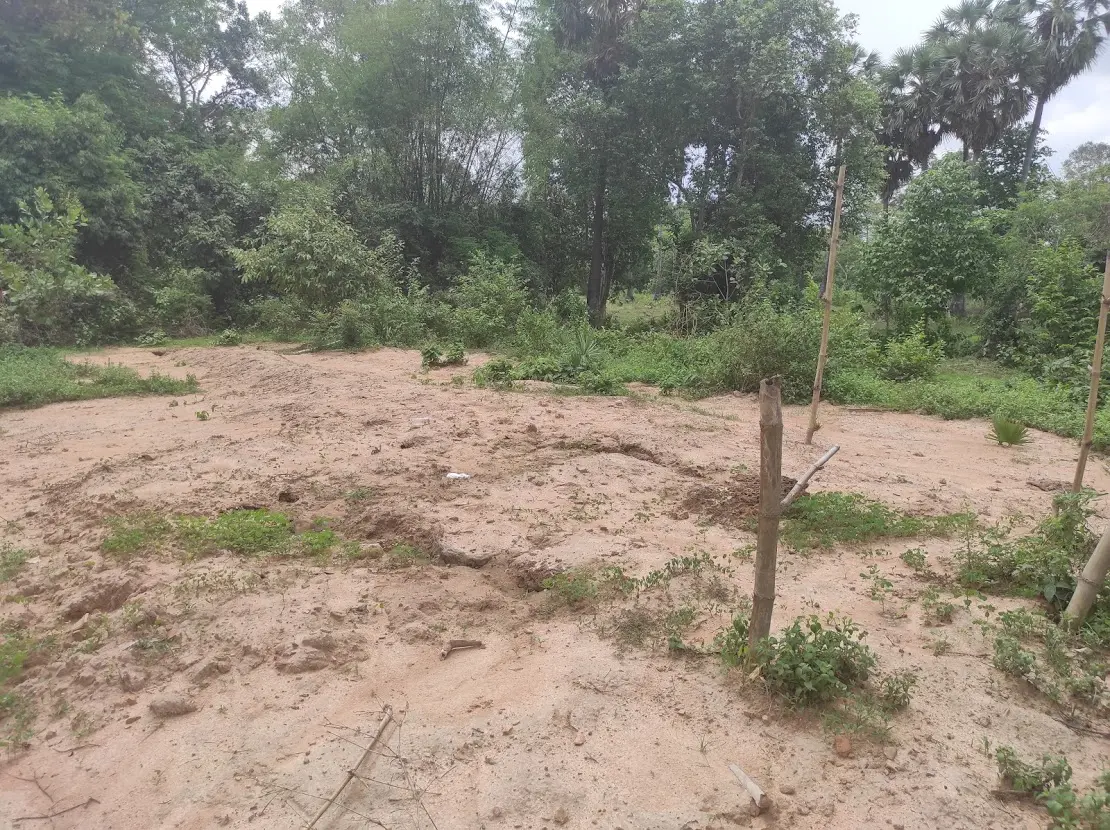
Area just north of the Phnom Bakheng east-west featuring laterite remains with basins to the east and west. In early 2020 it was an open archeological site and by mid-2020 it had been covered over once more. Gallery
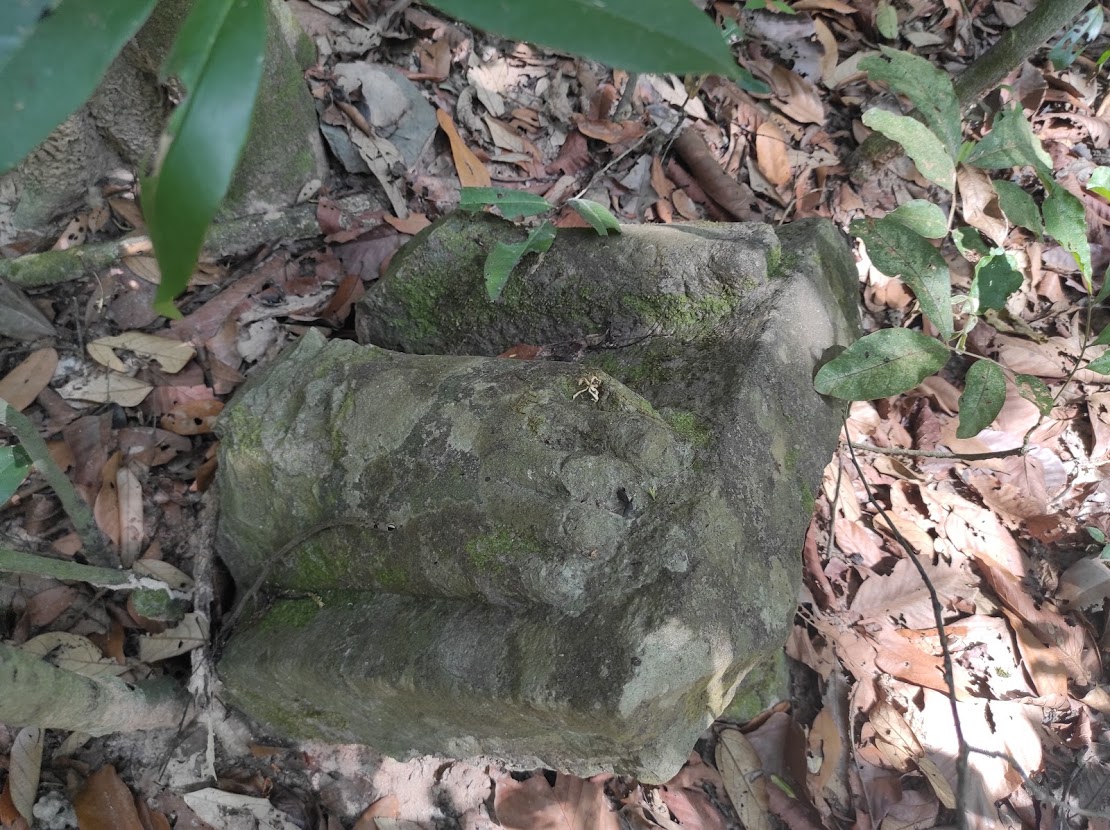
Location where the feet of a statue, a very decayed pedestal (similar style to the one seen to the north here), pottery shards, along with some other remains can be seen including a fire pit made of mortar which is likely very recent. The site appears to be a raised mound of around 40 m … Read more
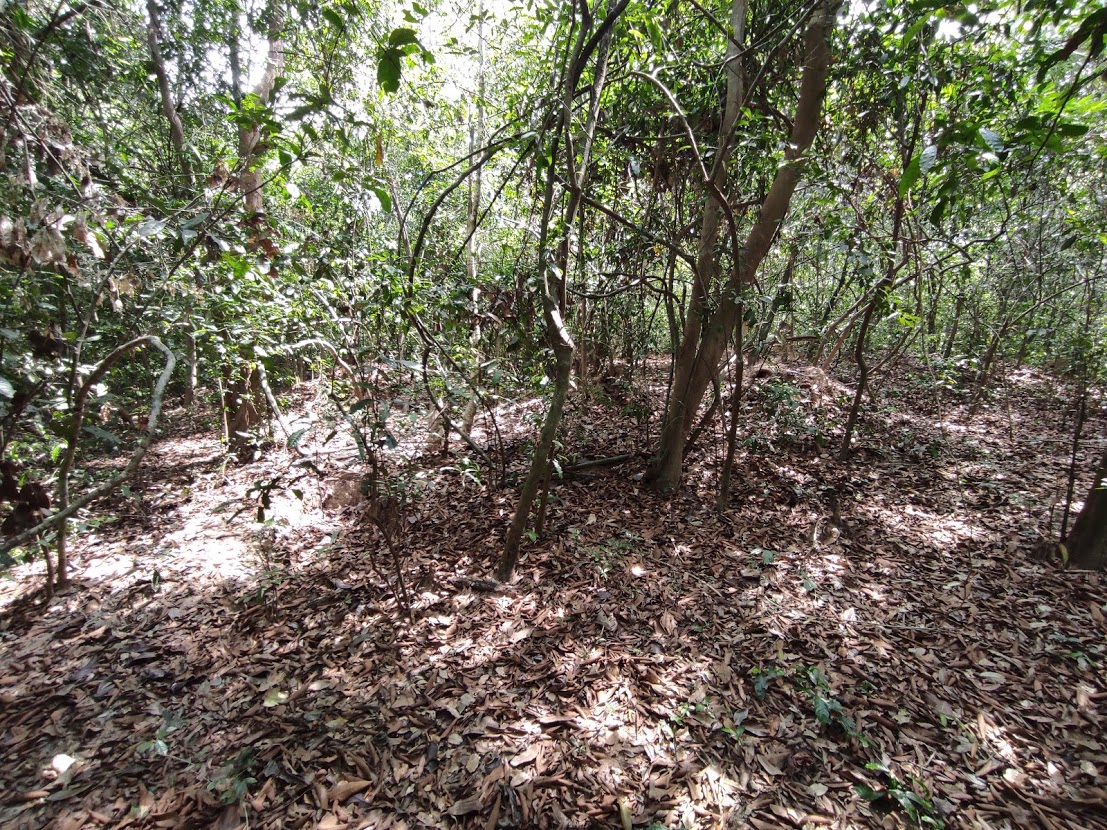
A high set mound around 50 m x 50 m surrounded by a moat with brick and sandstone remains. Gallery
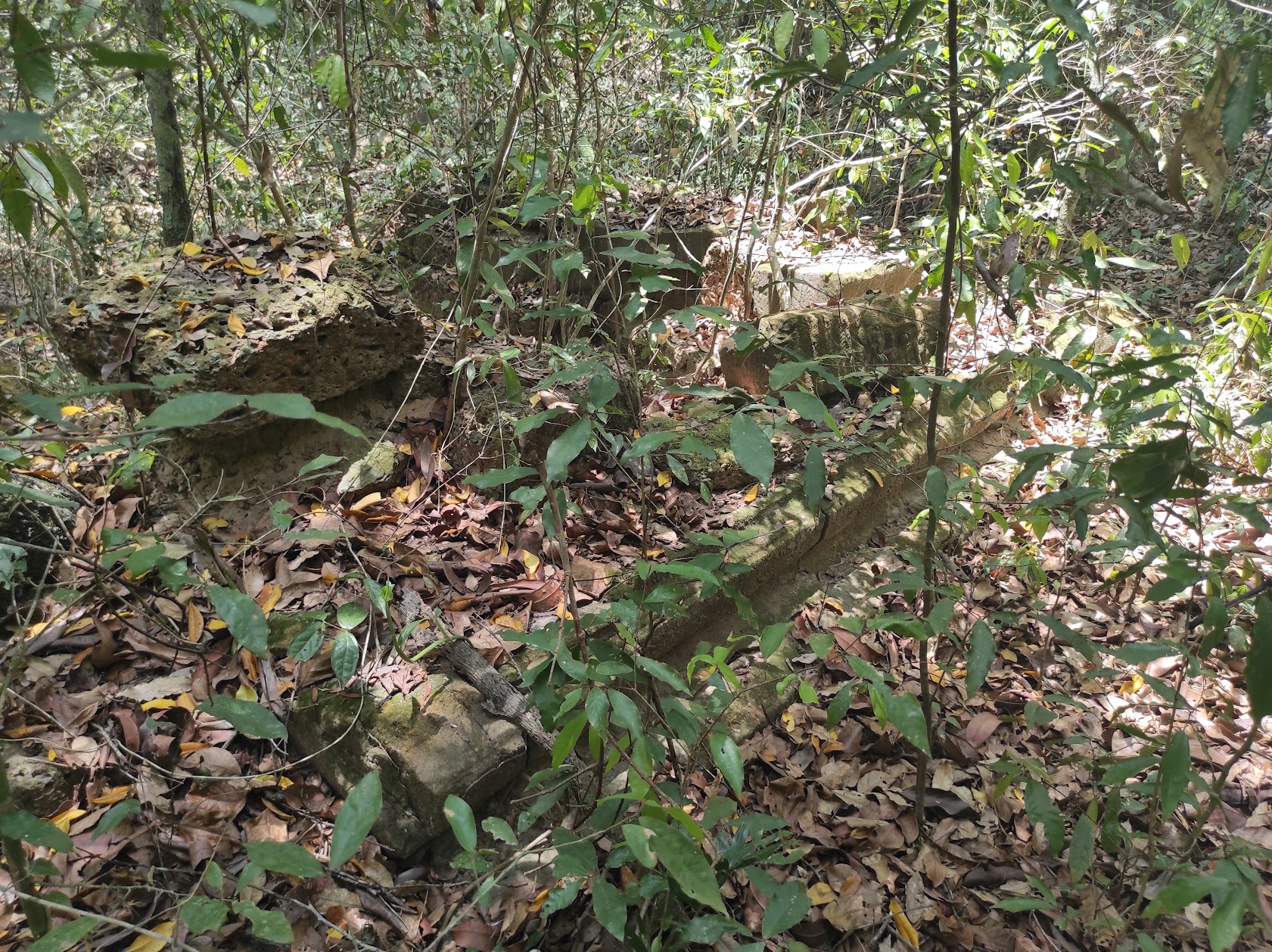
An uncleared site mostly in ruin that has a small structure about with only the base remaining, several sandstone plinths, and shaped pieces. Gallery The base structure is about 10 m square with unique molding in sandstone atop a core of laterite and located at the western end of the site, it is surrounded by … Read more
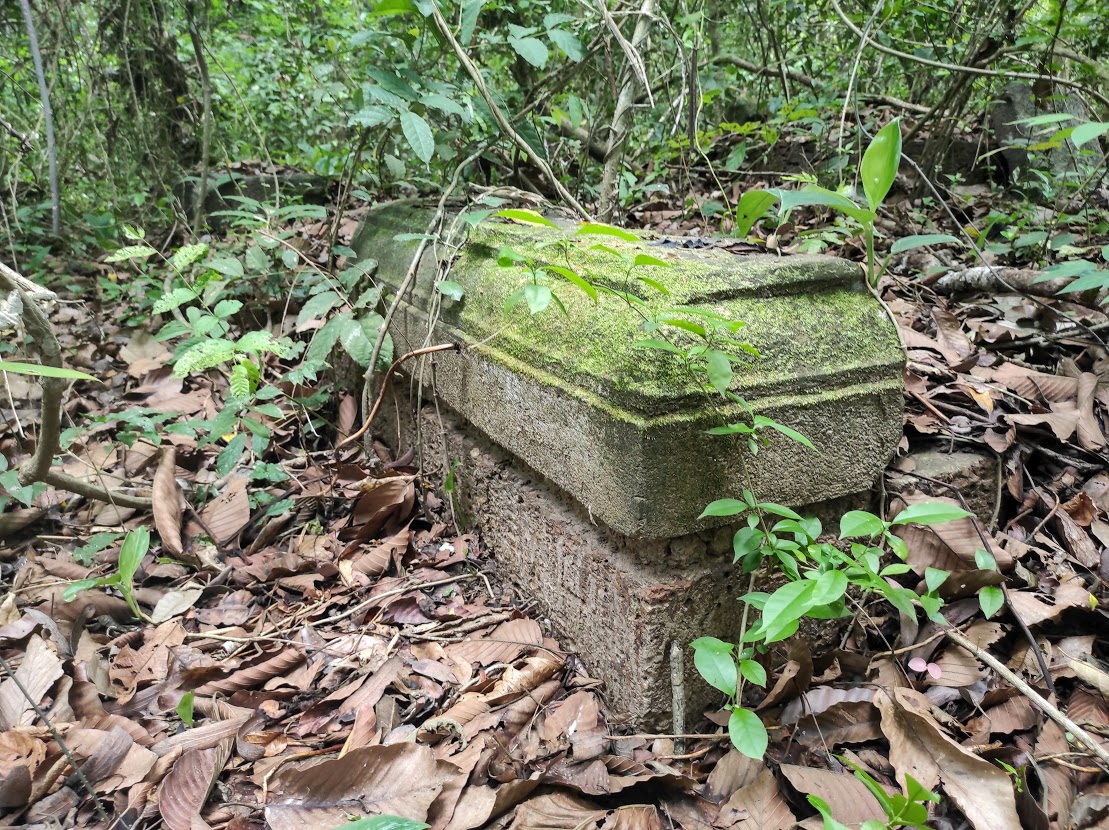
Presently uncleared, the lightly overgrown site is believed to be a terrace attributed to the late/post Angkor period. The small area of remains actually occupies a larger raised mound which is surrounded by a moat. Gallery The remains include a small rectangular base made from laterite topped with molded sandstone. The sandstone pieces seem cobbled … Read more
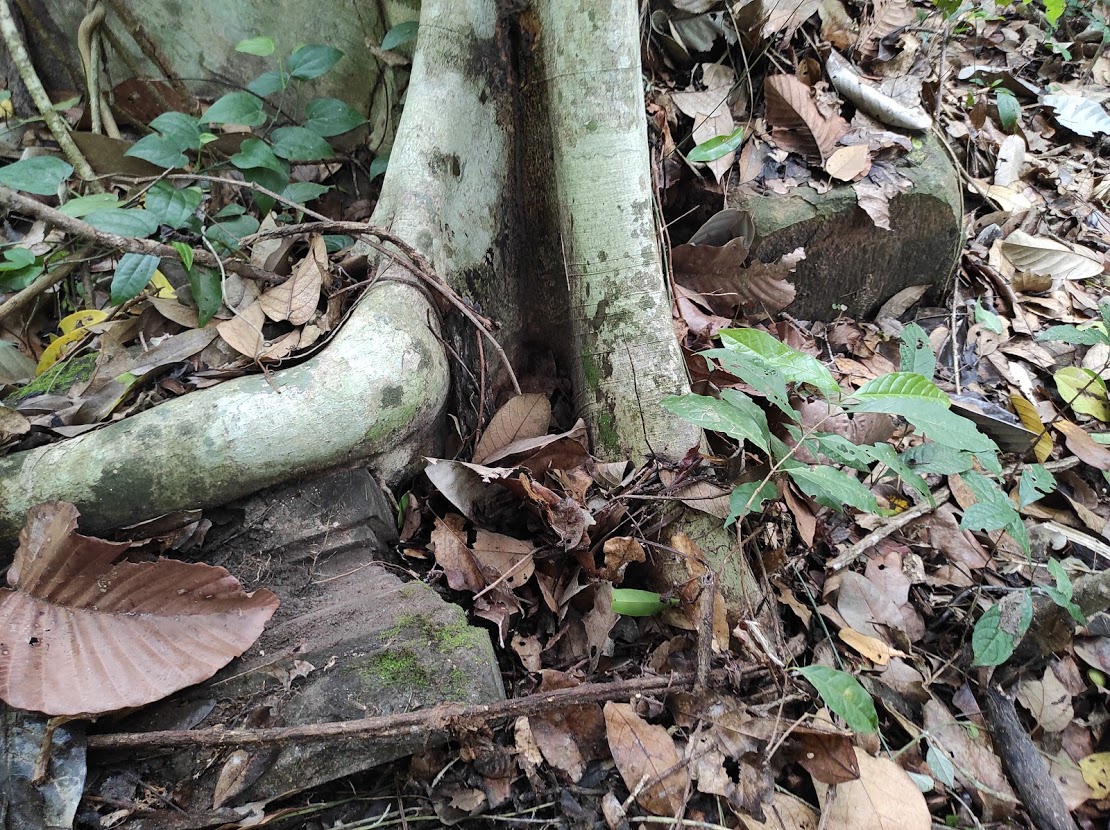
Remains of what is believed to be terrace structure constructed in the late/post Angkor period. The site occupies a large and high set mound which is surrounded by canalisation but not entirely moated in the classical sense. Gallery Site Layout The remains occupy only a 40 sqm area of a much larger area … Read more
Also known as Kouk Ta Och. Mound showing sandstone remains and brick debris (Source: Cambodia, Wats, Prasats, Temples – FB Group. Chris Borman and Lon Nak)

An unnamed sited where only scant remnants remain. The site is positioned on a mound that appears to have been surrounded by basins. Several pieces of sandstone can be seen at the site although, the most interesting is a small pedestal that features an unusual ornate design. It is located east of Angkor Thom’s Gate … Read more
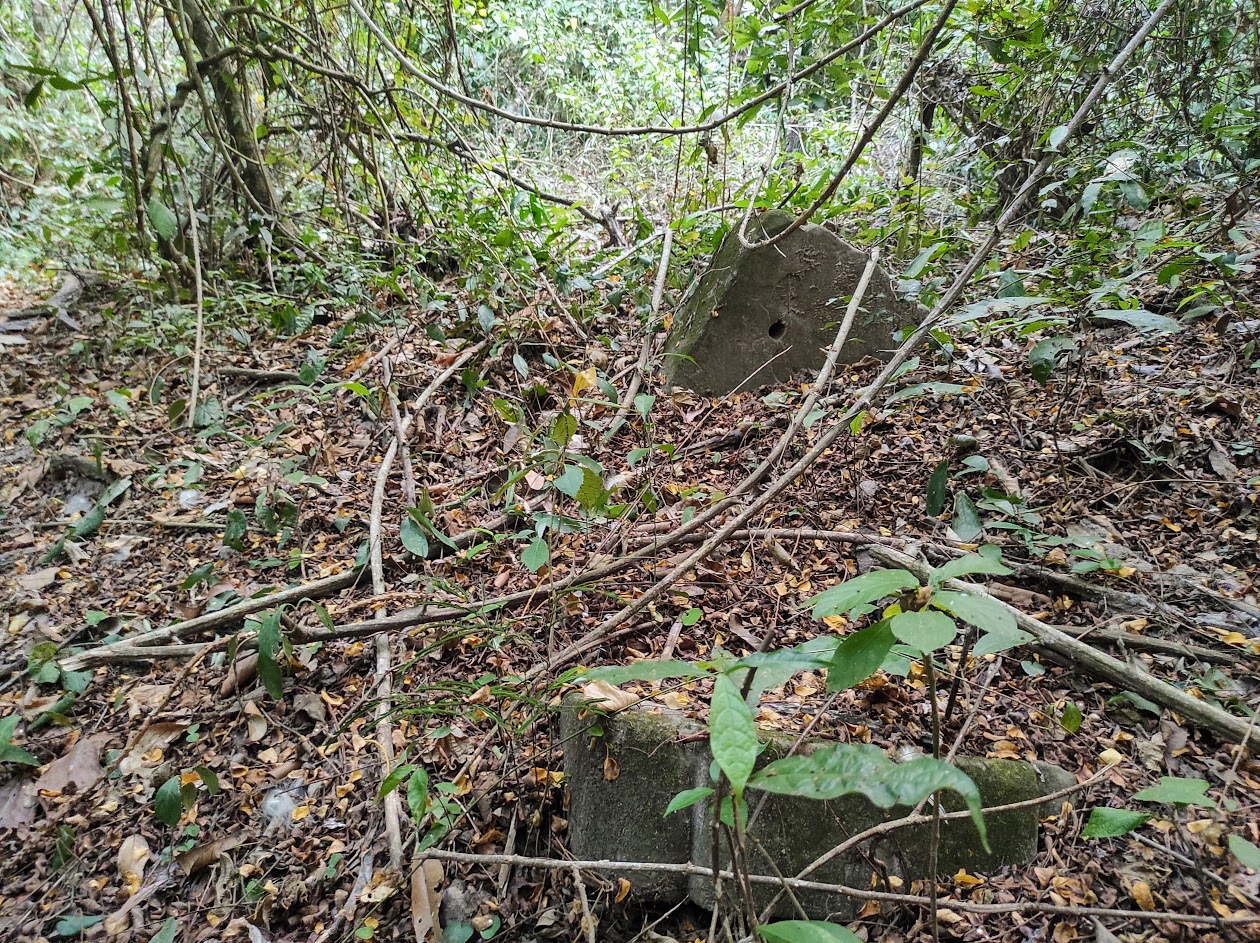
Located near Preah Pallilay, the site features scant remnants of what may have been a “Buddhist Terrace” originating in the late Angkor period. All that can be seen today are sema stones and sandstone remnants. The area itself is perhaps more of an attraction with plant life creating a dramatic setting among the undulating terrain. … Read more
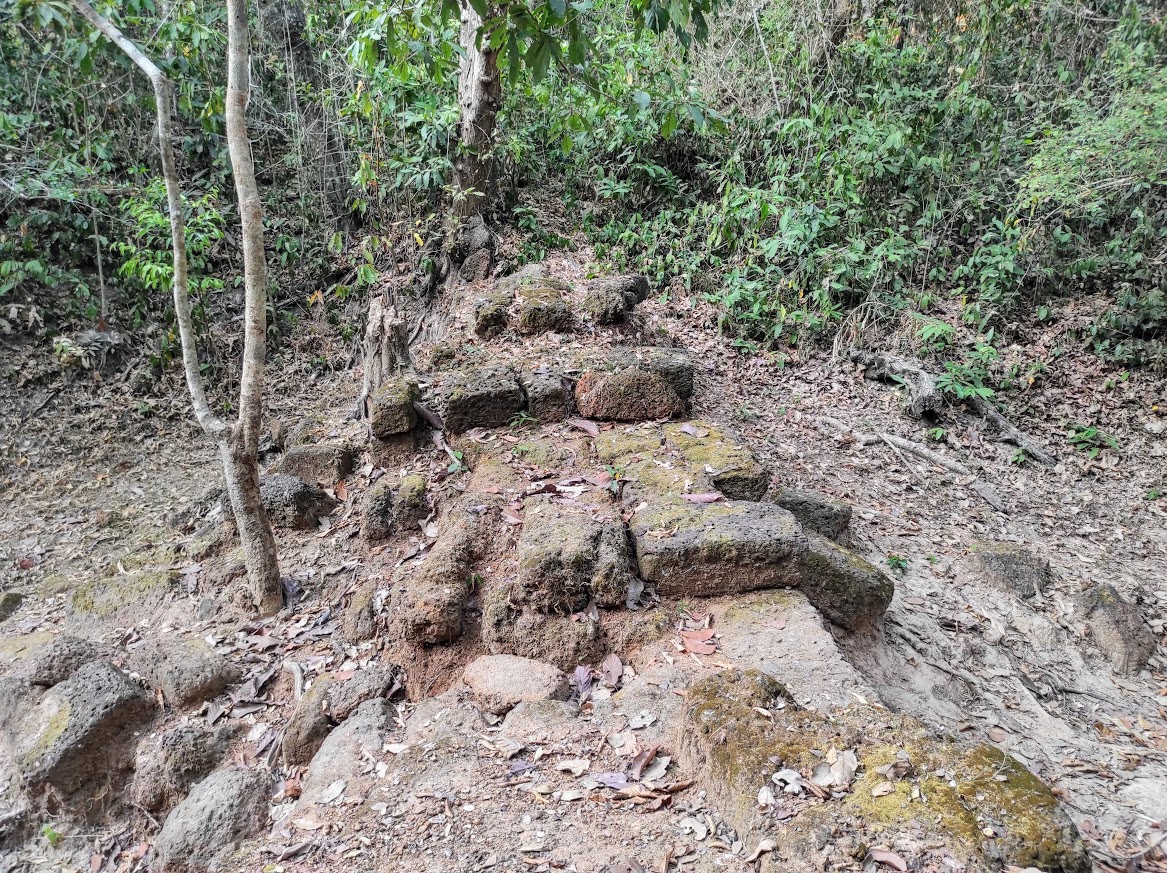
Located between the Royal Palace of Angkor Thom and the Trapeang Don Meas (large basin) is a two-meter-wide, 3-4 m high and 400 m long laterite base and earthen covered wall. In early French notes, it’s described as likely being a defensive wall. In the notes written by Henri Marchal he describes there also being … Read more
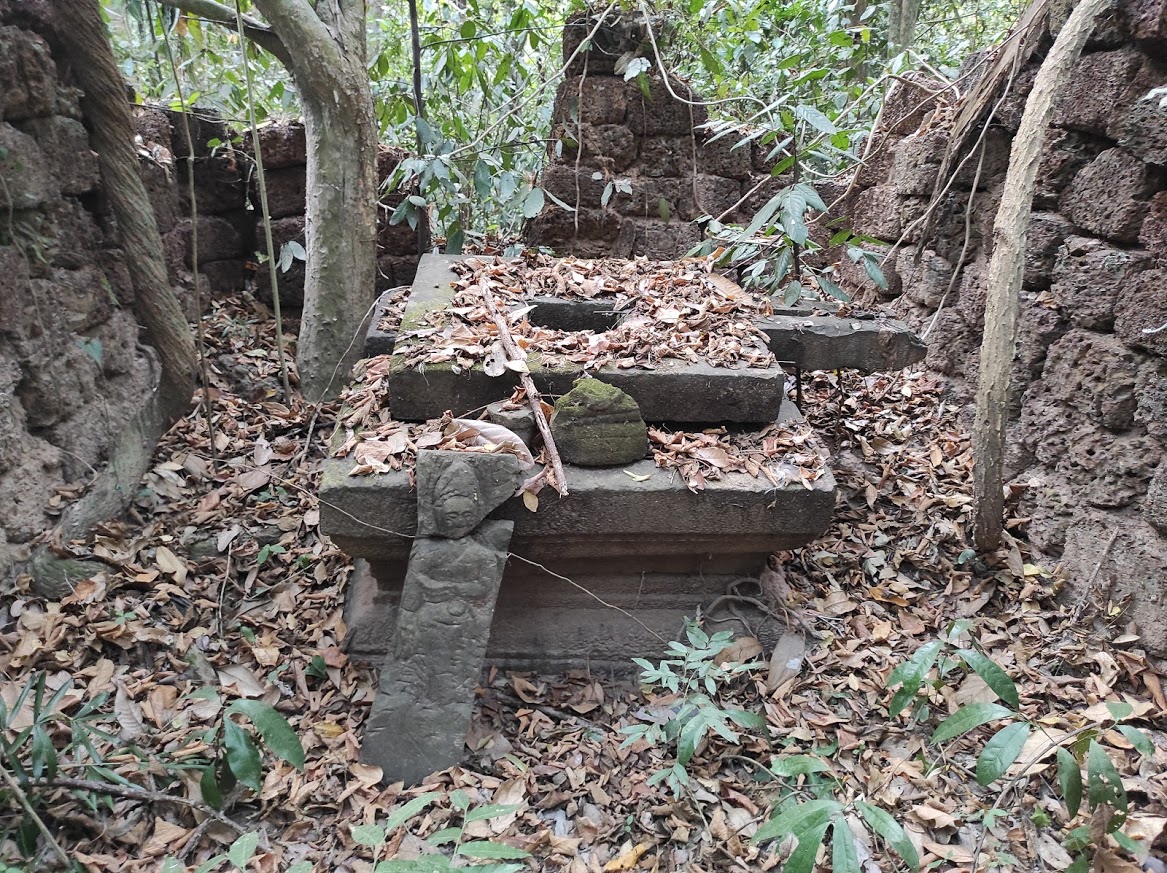
Located in an uncleared area of Angkor Thom, west-southwest of Preah Palilay this presently unnamed site is rectangular and constructed in laterite with what appears to be a porch leading westward. It sits on a large raised mound/hill effectively becoming an island. On the same raised “island”, a permanent basin constructed in laterite and sandstone … Read more
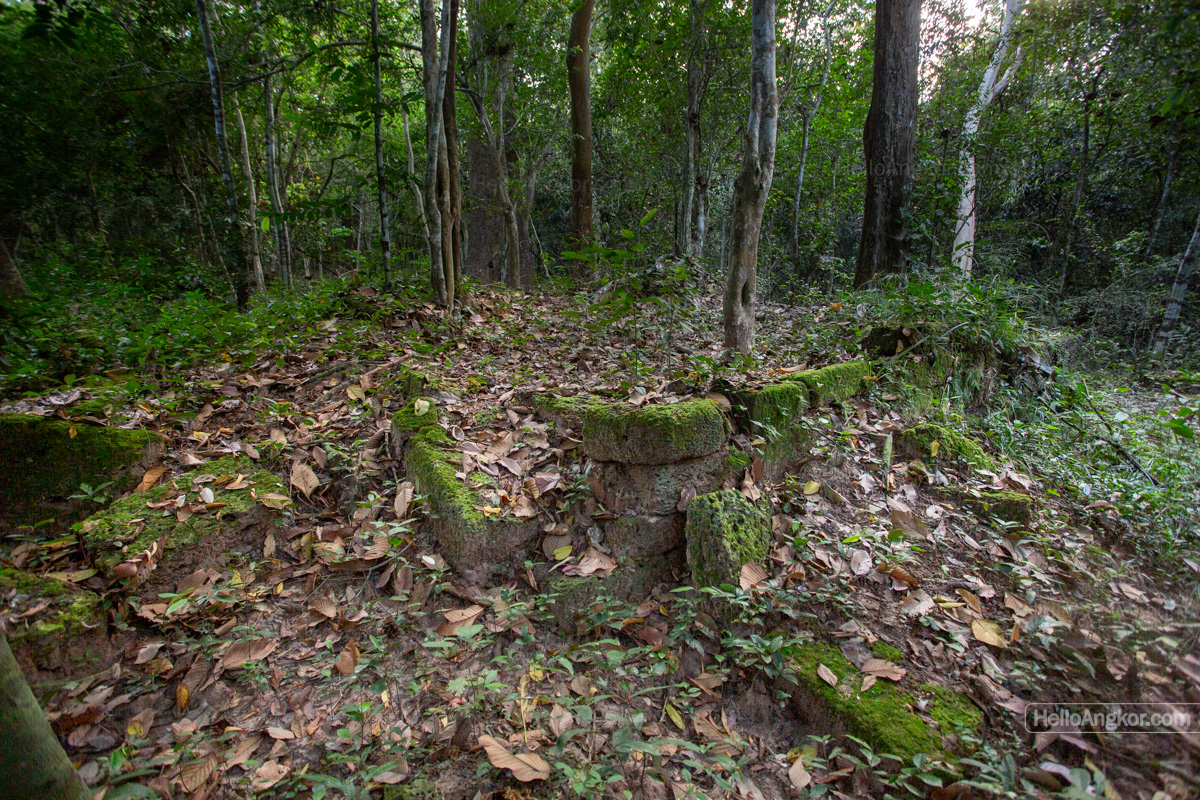
The site, located east of the Bayon and south of the East Gate road, was first documented in the early 1900s by Lunet de Lajonquiere (Carte Du Groupe d’Angkor) and later in 1918 by Henri Marchal and Georges Trouve. In recent times, the site has been cleared for research as part of the Angkor Vihara … Read more
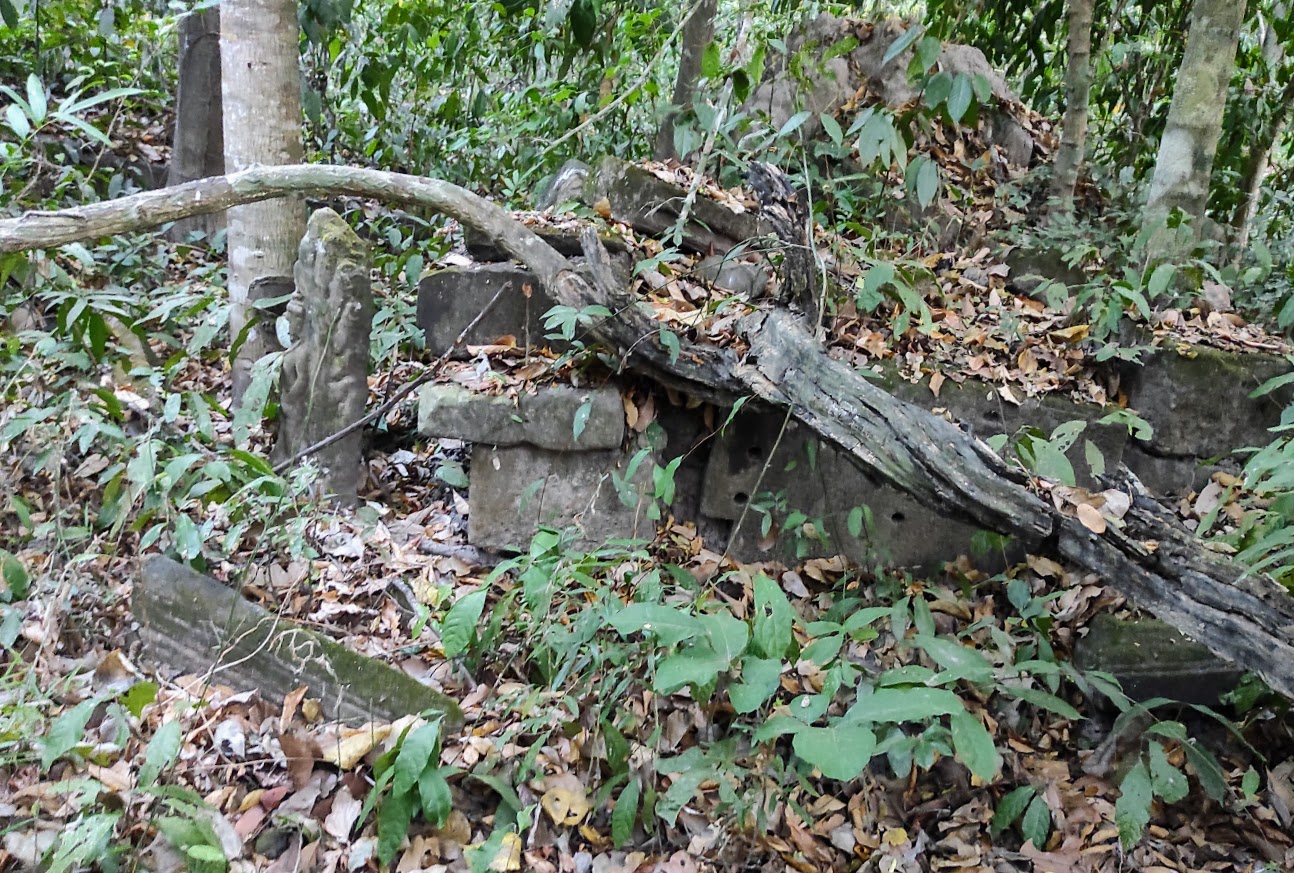
An uncleared site located in the scrub of Angkor Thom. Terrace C, a name used in early French maps from the 1900s, is located immediately west of a small basin known as the Trapeang Rondas Thlong. Covered in overgrowth, the east-west axis of the terrace can be noted, laterite blocks that lead down to the … Read more
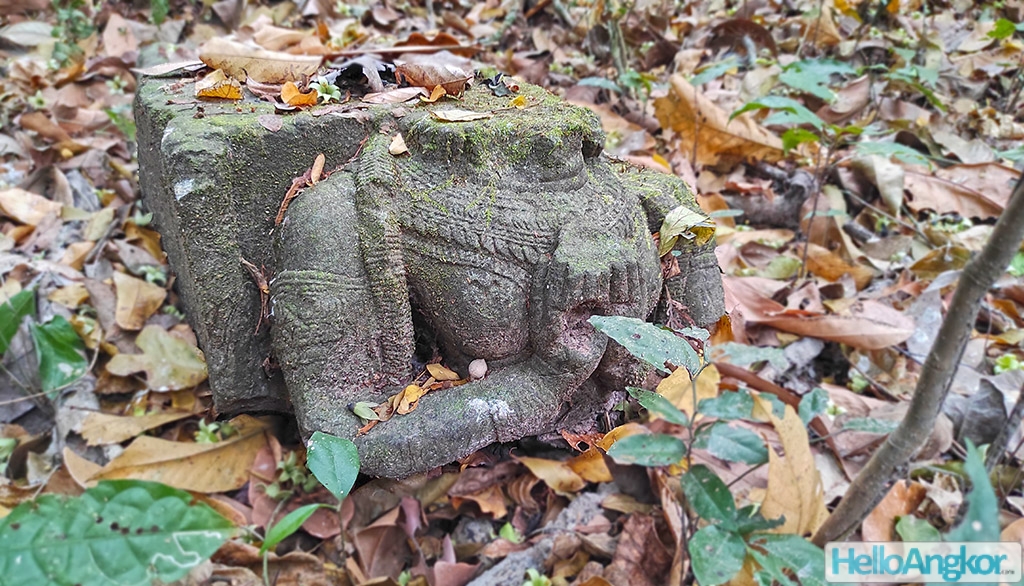
Also known as Monument 36. A site as yet to be prepared for visitors. Located in the northeast quadrant of Angkor Thom and referred to as Terrace B in French maps from the 1900s, the overgrown site features the remains of perhaps two terraces very near to each other, this one Terrace B, and nearby … Read more
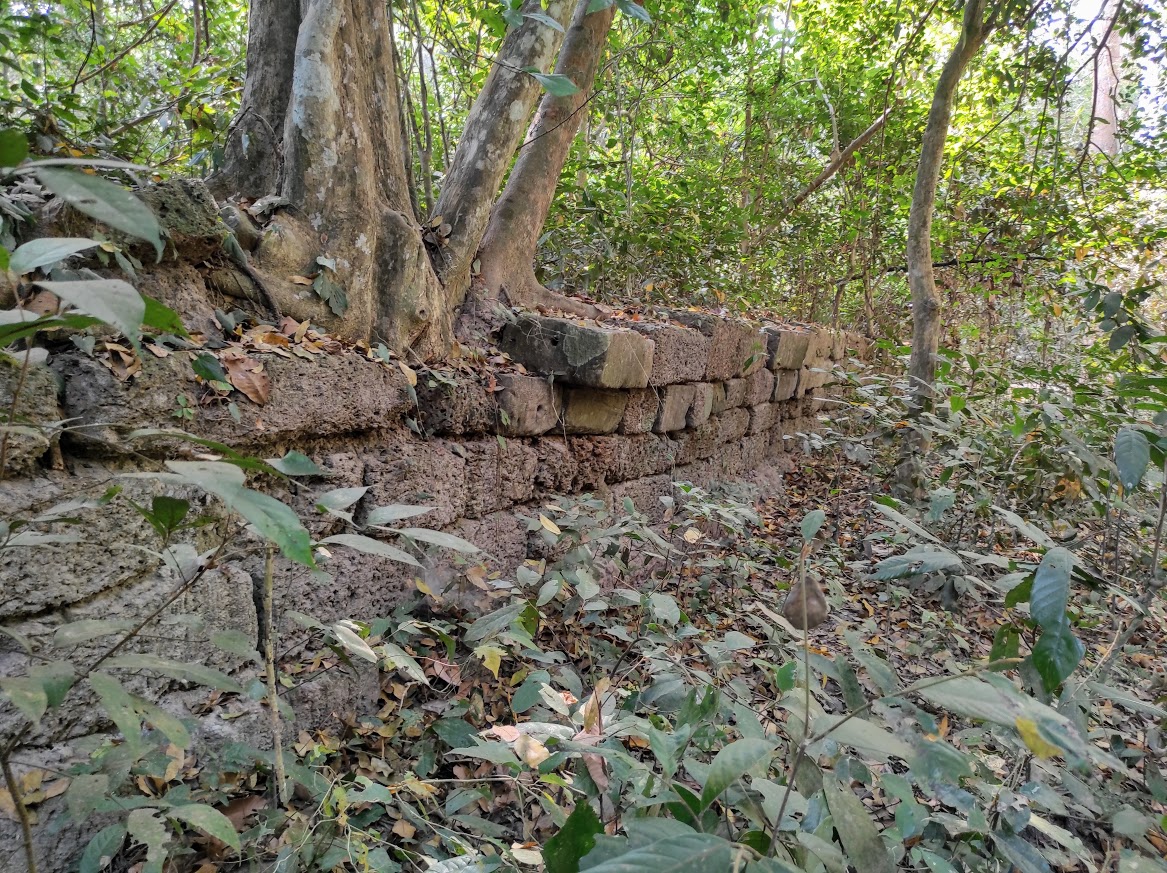
A Buddhist Terrace as noted in Henri Marchal’s 1918 publication “Monuments secondaires et terrasses bouddhiques d’Ańkor Thom”. The site is uncleared and all that remains easily visible through the overgrowth is a laterite wall section and some sandstone blocks. Henri Marchal noted at the time that the site measured around 26 m by 7 m. … Read more
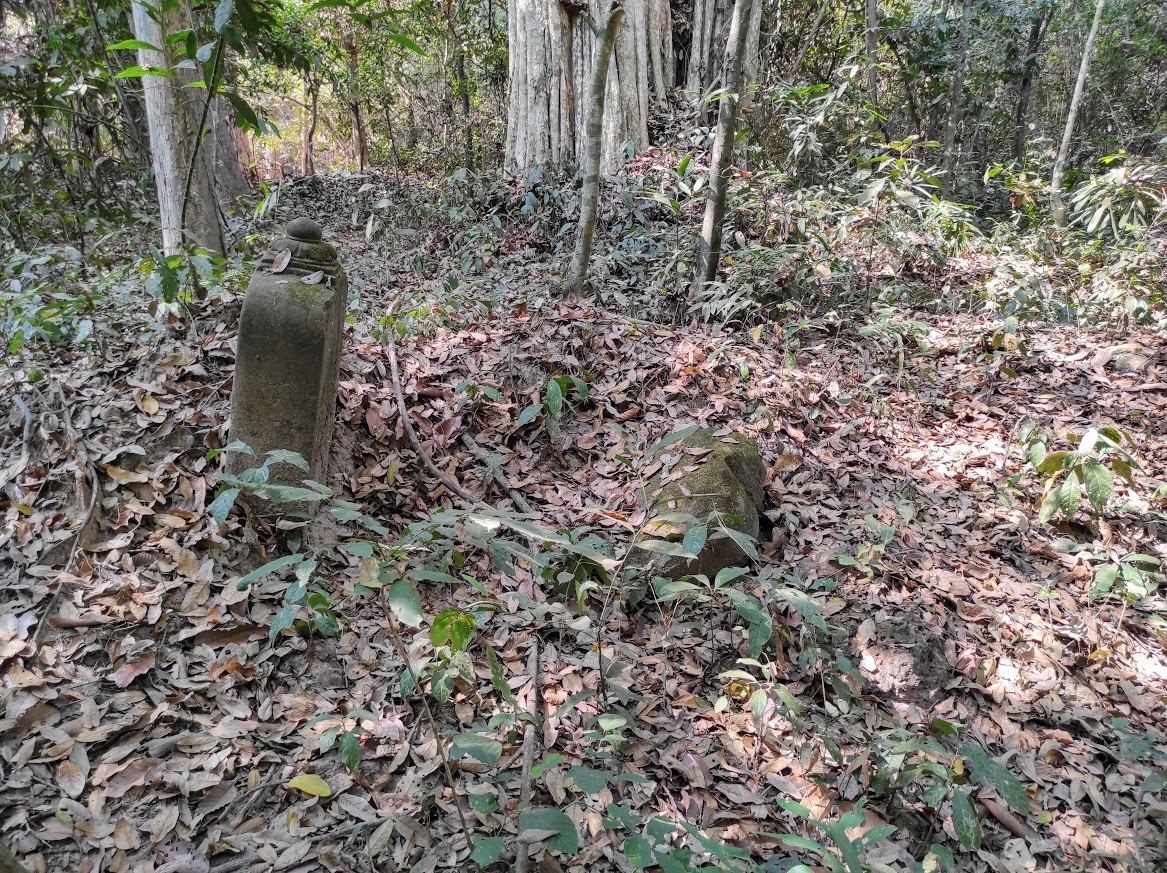
The remains of a Buddhist Terrace, as described and mapped in Henri Marchal’s 1918 publication “Monuments secondaires et terrasses bouddhiques d’Ańkor Thom”. On clearing the site in the early 1900s Henri Marchal described it as a Buddhist Terrace, facing east with a central platform surrounded by 16 sema stones on a laterite base 23 m x … Read more
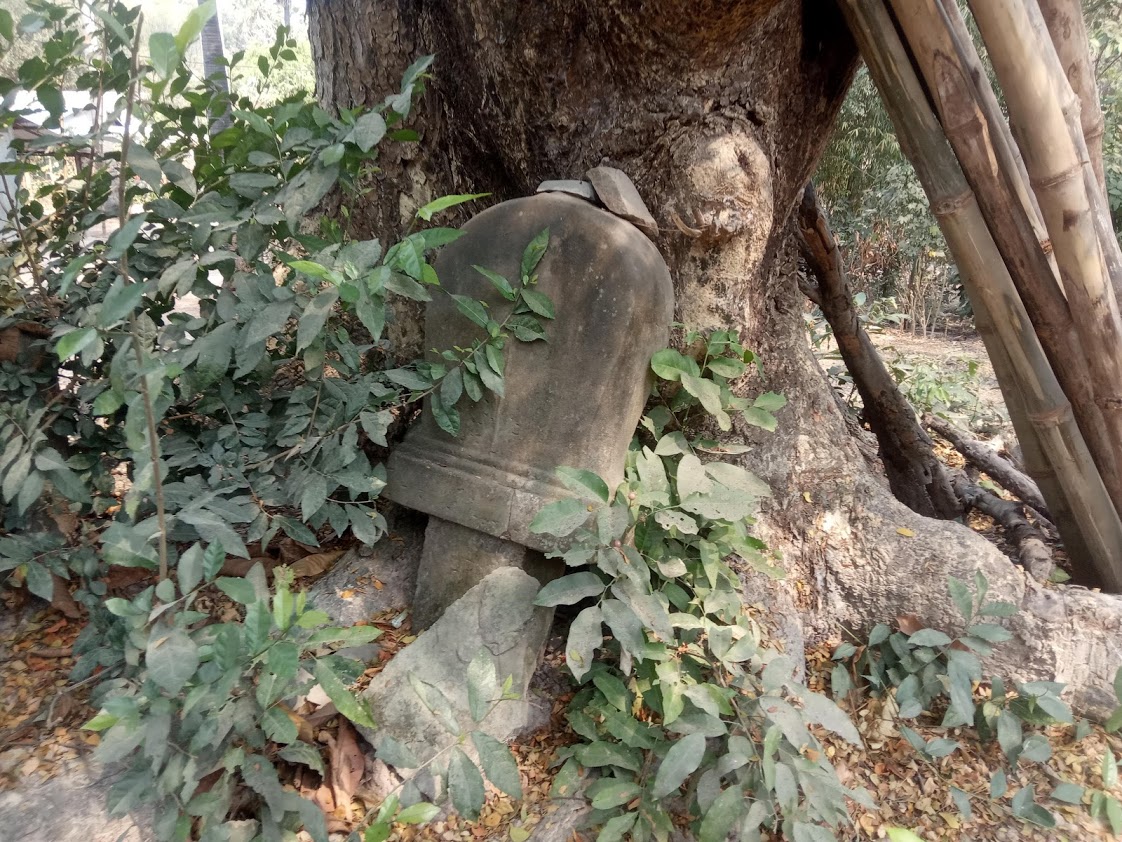
Scant remnants of a Buddhist Terrace (?) a half exposed sima can be seen and another sema lying against a tree along with sandstone blocks. Nearby a newer shrine has been constructed. Gallery
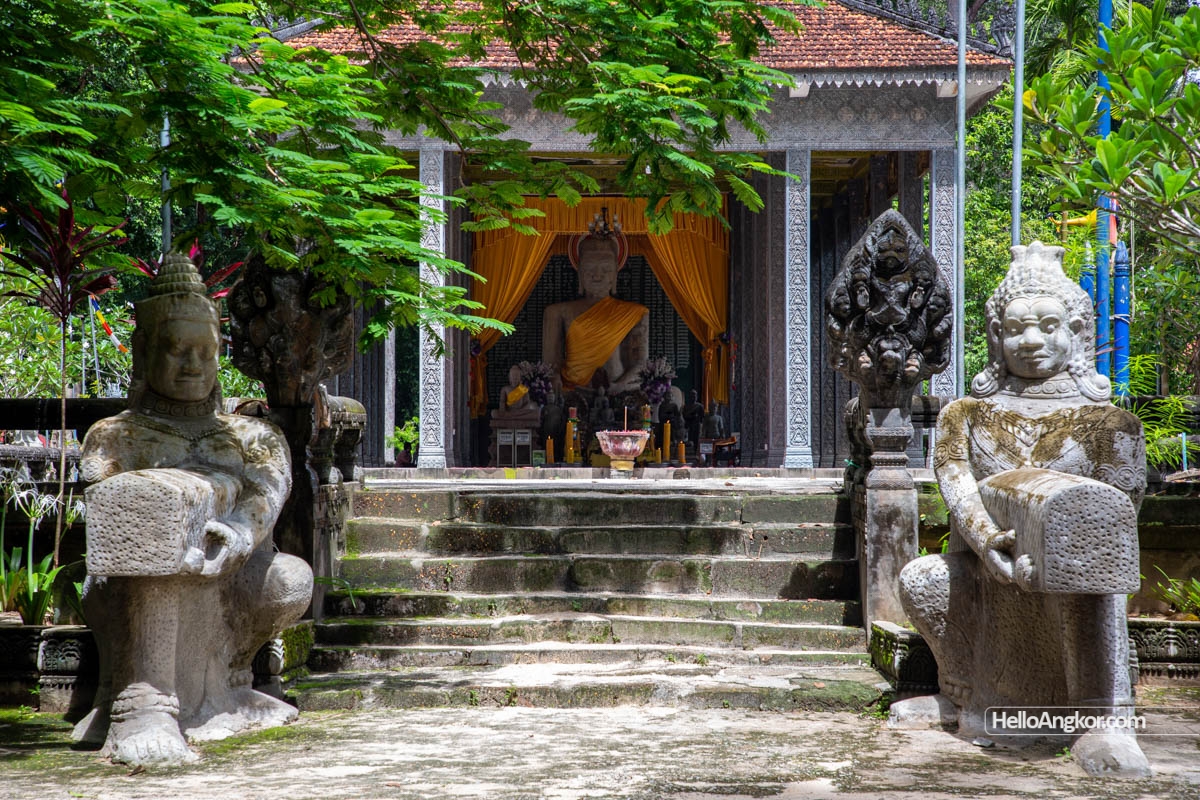
Also referred to as Preah Vihear Prambuon Lavaeng, it’s a functioning monastery where the remnants of laterite shrines and a large reconstructed terrace that features a monumental Buddha statue. The terrace features ornately capped double sema demarcating the sacred area. To the west of the recently reconstructed terrace, are two ancient laterite constructions, one being … Read more
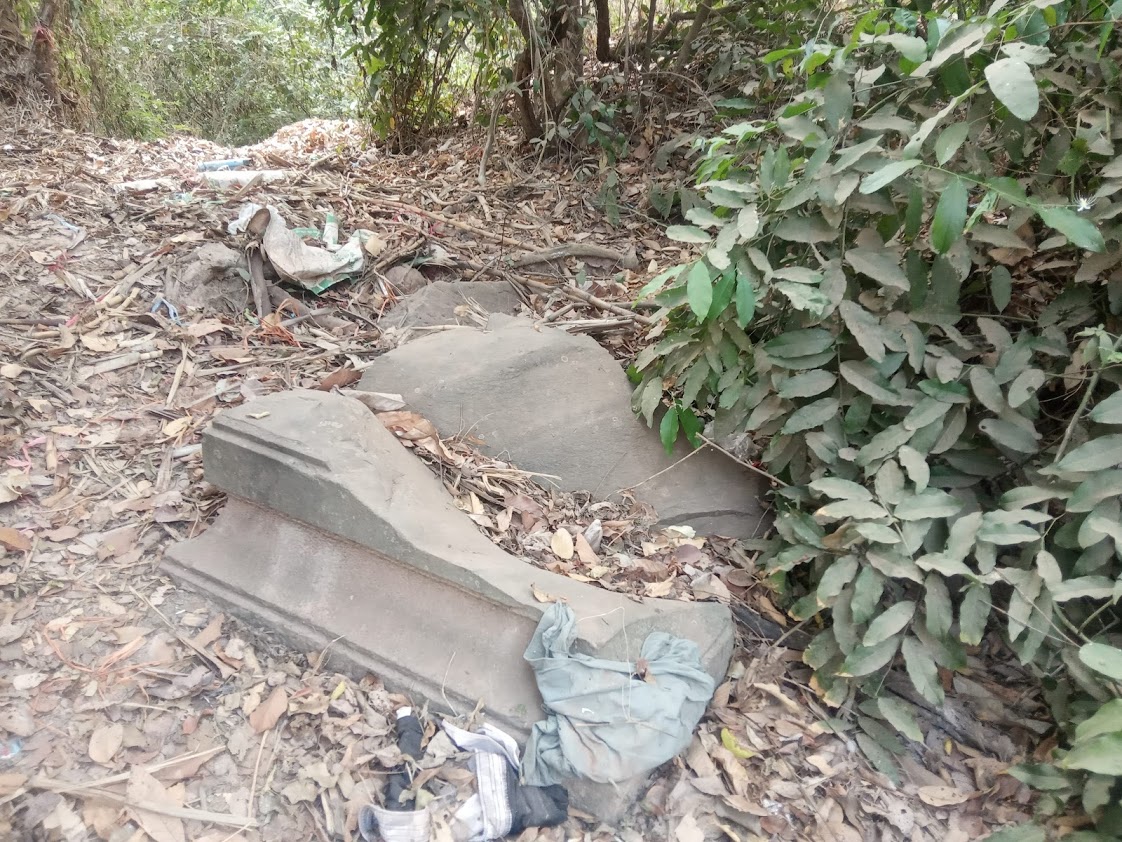
Unnamed Buddhist Terrace, a large mound, overgrown, and only two large but broken pedestals can be seen.
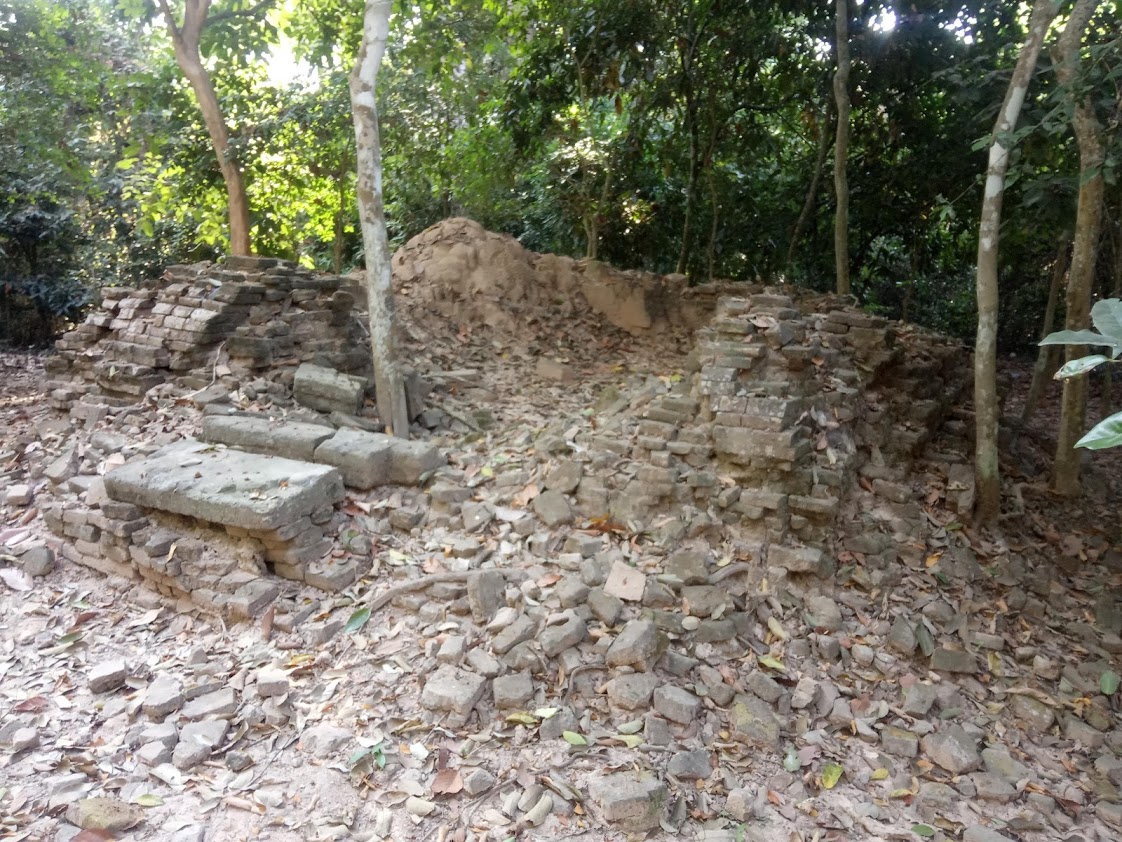
An unnamed site consisting of a mound of bricks and some deteriorated sandstone pieces. Gallery
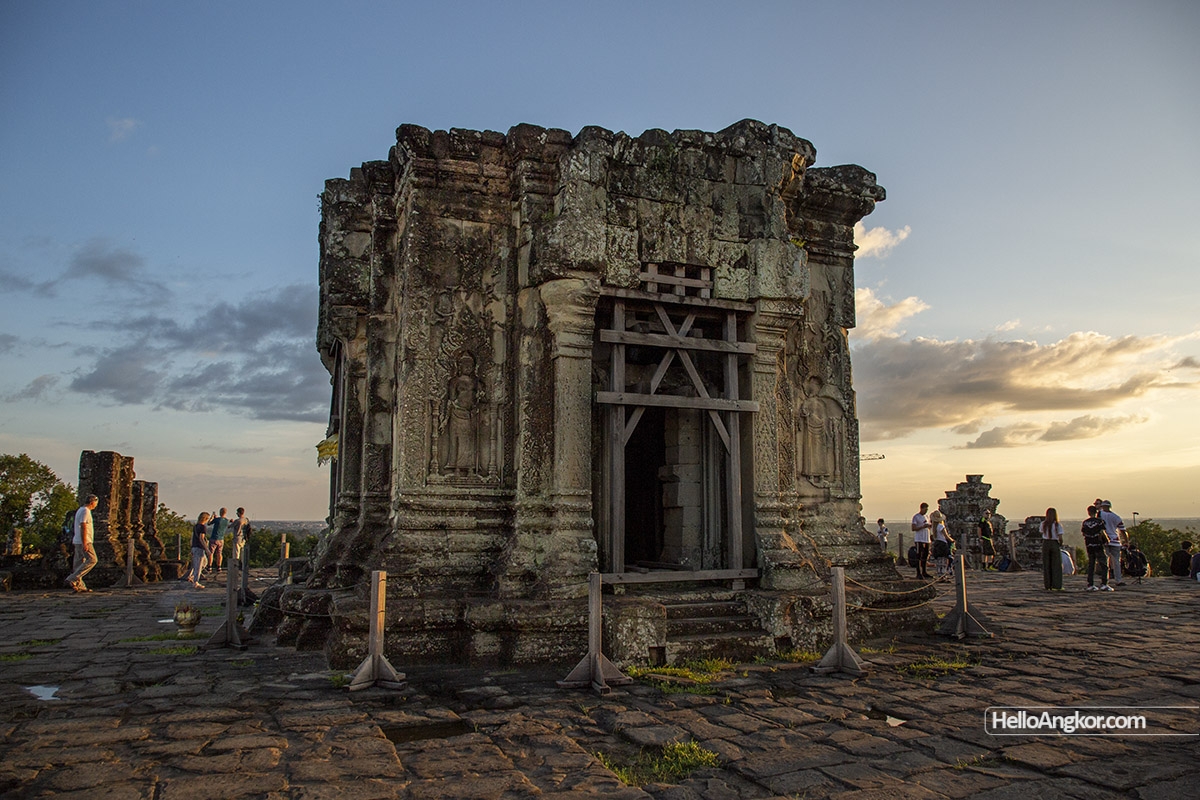
Bakheng Temple sits atop the 65m rise that carries the same name, Phnom Bakheng and looks across the plains below with Angkor Thom to its north and Angkor Wat to its southeast, both of which it predates by more than two centuries. It’s a monumental construction that followed the beliefs of the time and the … Read more
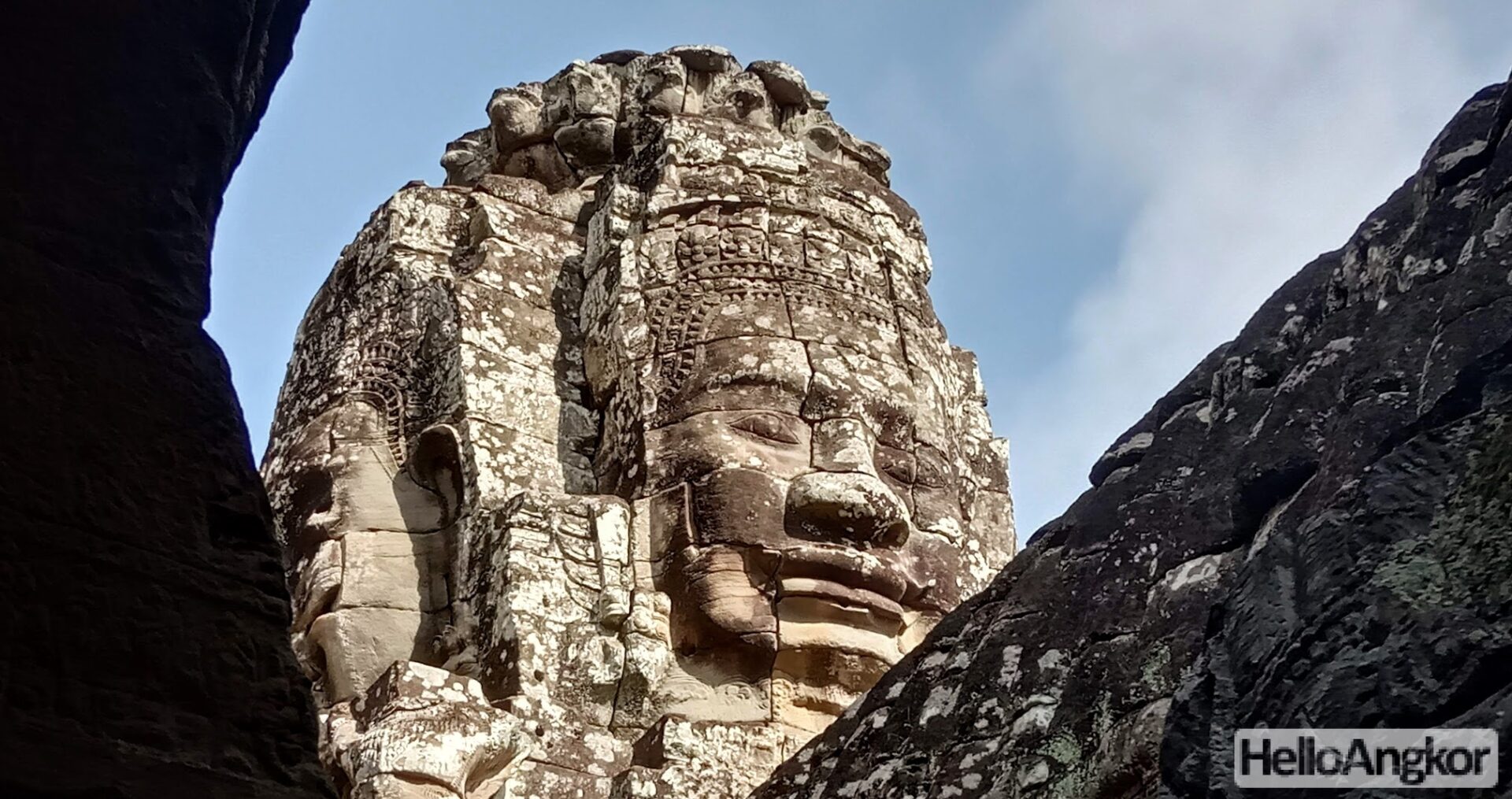
Angkor Thom is one of the most popular areas in the Angkor Archeological Park located minutes to the northeast of Angkor Wat and around 15 mins from Siem Reap city. Angkor Thom, literally: “Great City”, contains several of the must-see temples and ancient sites including Bayon Temple, Terrace of the Elephants, Terrace of the Leper … Read more