
Krong Siem Reab
Kok Ta Ro

A small corner of prasat wall remains standing at the site which was believed to be a group of five brick temples, surrounded by a moat that opens to the east. Some remnants such as sandstone plinths and colonette pieces can be seen.
Kok Sla Ket Temple
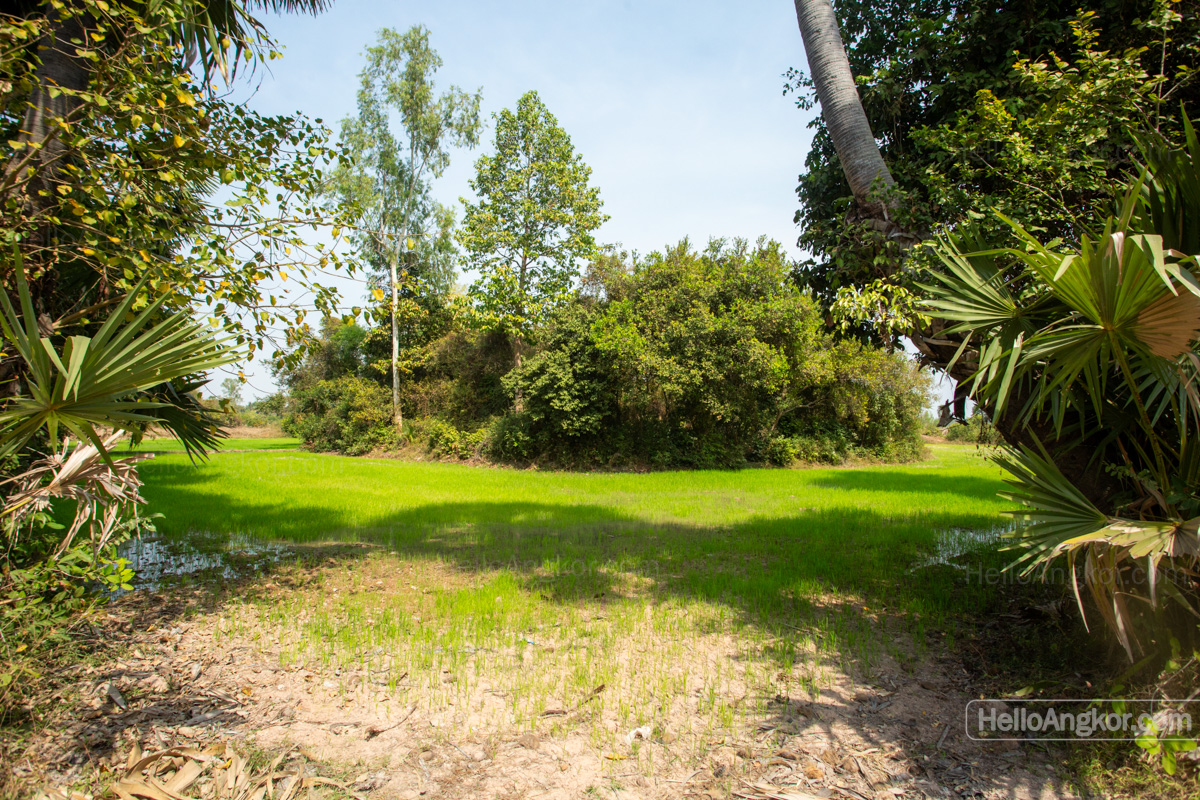
Located west of Siem Reap city and south of National Road 6, Prasat Sla Ket, as it is also known, features the remnants of an early 10th-century temple. It was originally a group of three shrines that opened to the east and were surrounded by an outer wall with an entrance to the east. All … Read more
West Mebon Temple
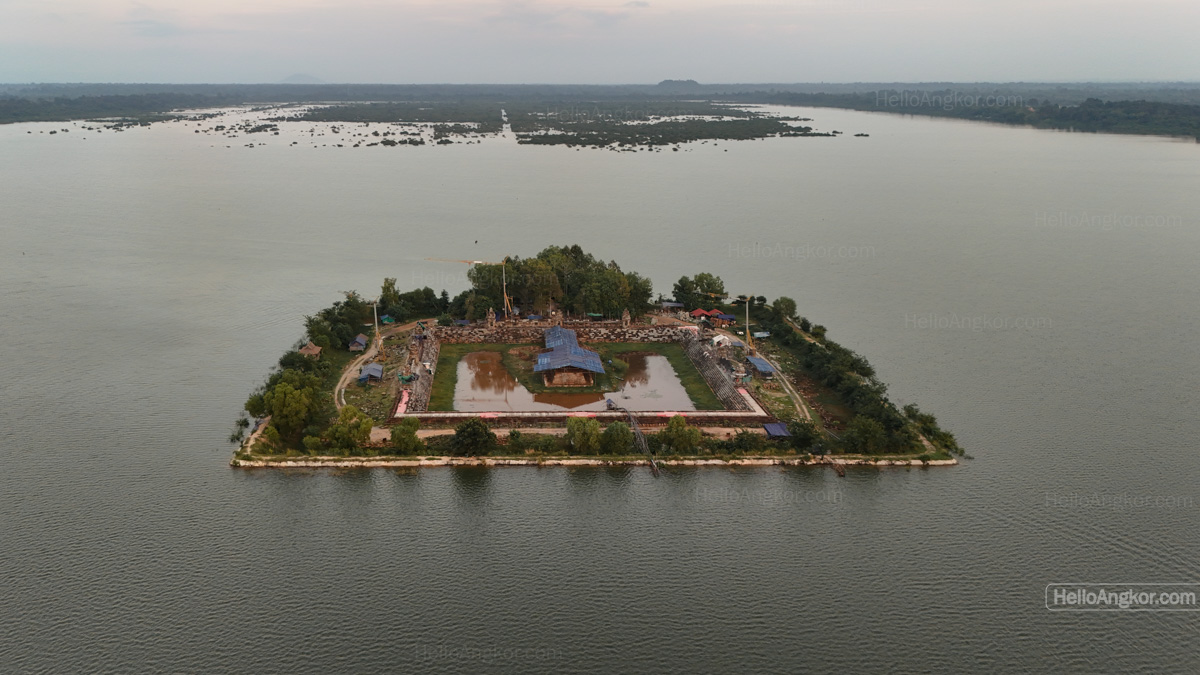
The West Mebon is located in the center of the West Baray, the largest reservoir of the Angkor area. While the temple’s date of construction is not known exactly, its decorative art is attributed to the Baphoun style placing it around the 11th Century and possibly during the reign of King Suryavarman I and Udayadityavarman … Read more
Trapeang Lpeou Temple
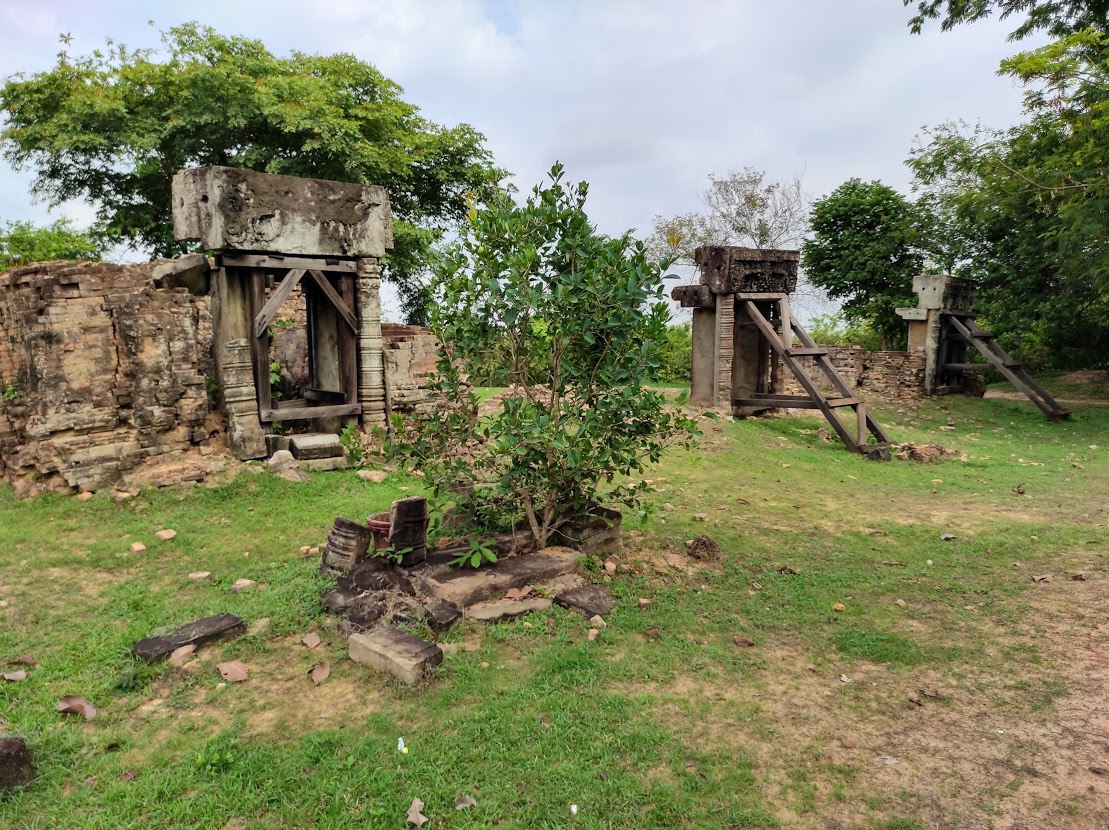
Also known as Kuk Trapeang Lopov (Pr.) and Neang Pow. A group of three brick temples that are partially standing and a “library” building that is no longer standing. The door frames of the south temple featured inscriptions registered under K. 690, as did the “library” building which was registered under K. 691. The site … Read more
Wat Damnak
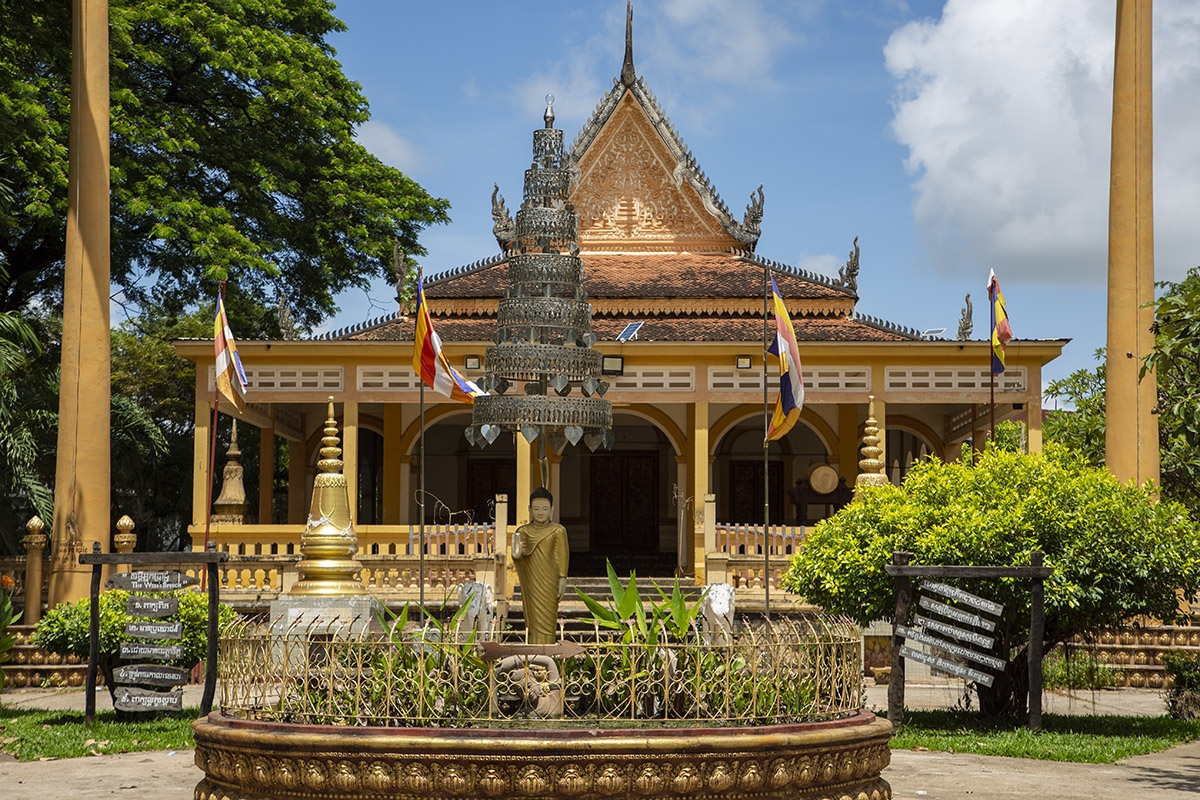
Wat Damnak is a contemporary Buddhist monastery and pagoda located nearby the Siem Reap River on the southeast side of the city center. The large and pretty grounds are also home to a primary school and the Center for Khmer Studies. Fascinatingly, it also features remnants of an ancient temple site, likely of the Angkorian … Read more
Kôk Chroeng
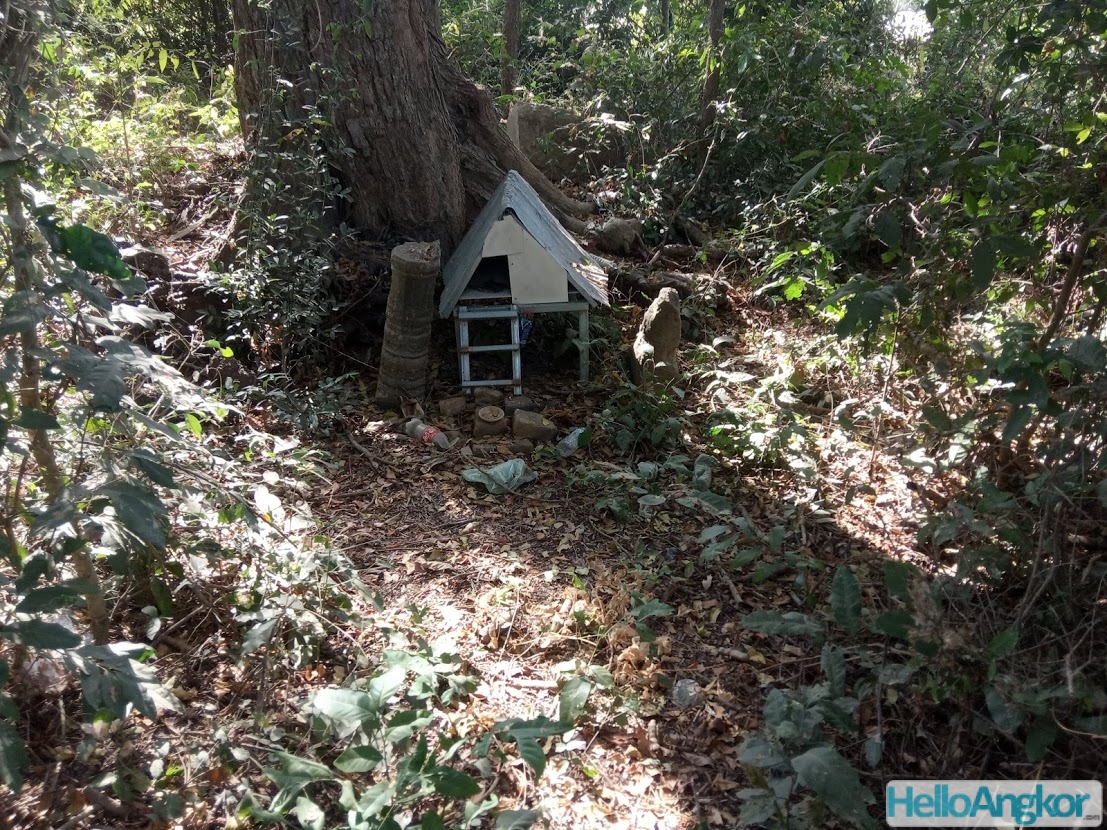
Scant remains of two small brick temples, once surrounded by a moat, which had inscribed doorframes registered under K.260. At the site today only a colonette piece and a sandstone plinth can be seen. Gallery
Terrasse Bouddhique No. 3 – Monument 89 – Angkor Thom
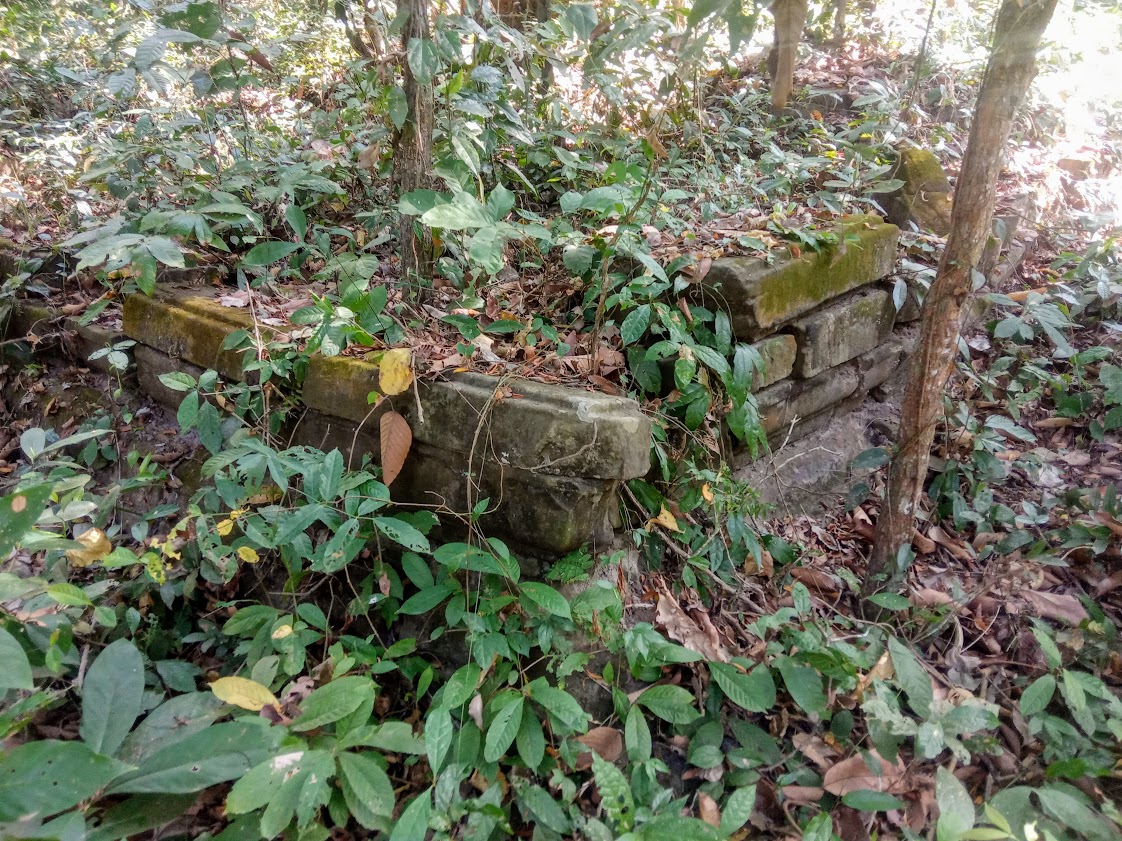
A presently uncleared site, first uncovered in 1918 by Henri Marchal and referred to as Terrace #3, it’s a large sandstone terrace, near to 40 m long and 20 m wide, surrounded by sema stones, and opening to the east with a small laterite building of only around 3m sq. It is suggested to be … Read more
Preah Kok Thlok
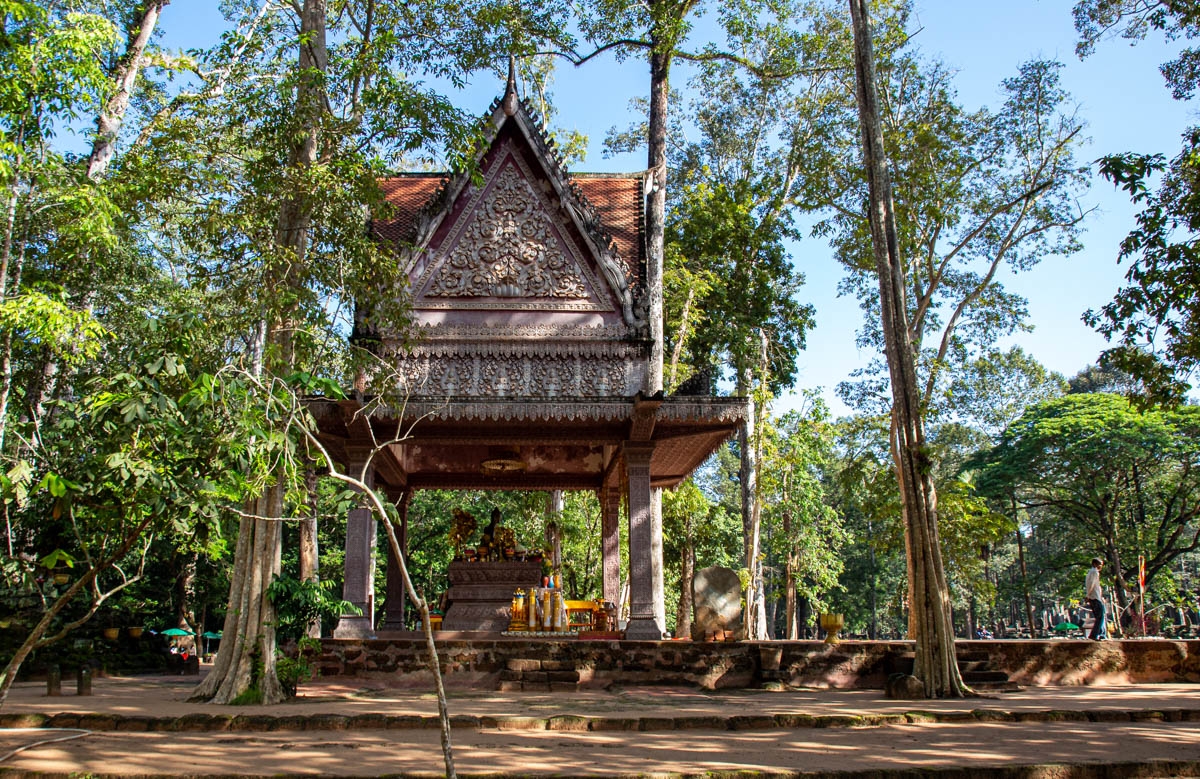
Located immediately west of the Bayon Temple in Angkor Thom, it’s a recently reconstructed ancient Buddhist terrace, demarcated by double sema while also featuring the remains of laterite chedi/reliquary on its western side. It remains a sacred site for locals who come to pray here. The remains of the laterite structure at the western end … Read more
Preah En Tep
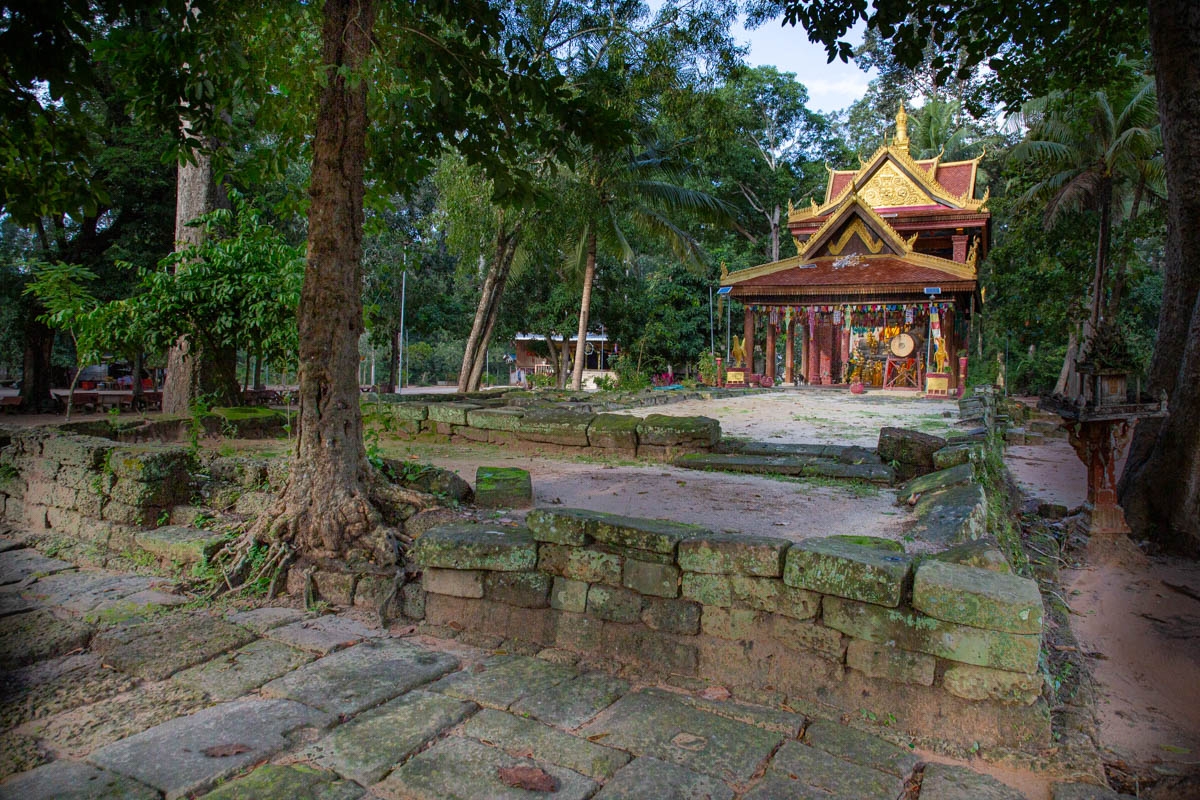
Located just south of the Bayon Temple inside Angkor Thom, Preah En Tep was an ancient Buddhist Terrace that has been restored in recent times. As it is with other terraces of the type, it faces east and features a grand pedestal, or balang, at its western end. In this case, it supports a monumental … Read more
Kutisvara Temple
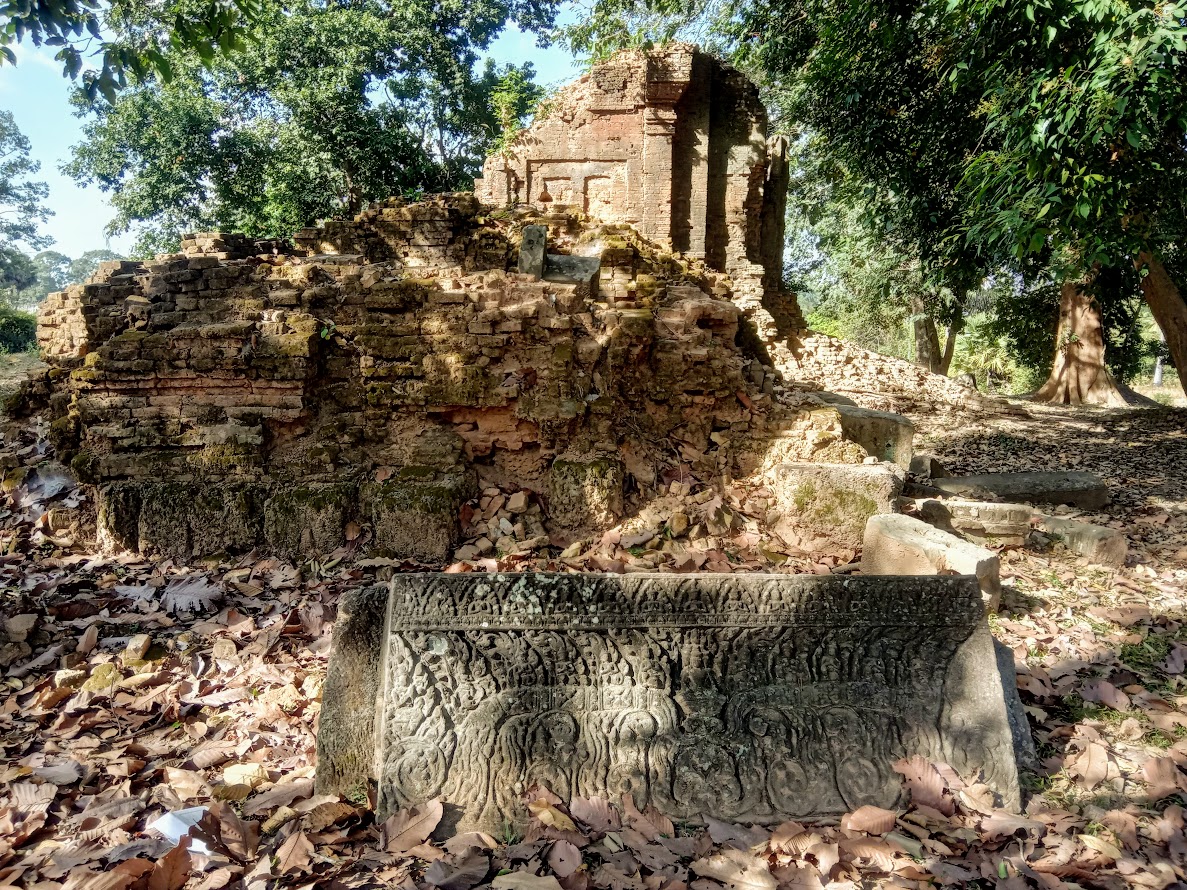
Kutisvara (Khmer: ប្រាសាទកុដិស្វរៈ or ក្តីសូរ) is a small brick temple site consisting of three towers in ruined condition. It is the site of Kuti, mentioned in the stele of Sdok Kok Thom in connection with the 9th century and King Jayavarman II. Besides, an inscription found on a stone reused for the building of Banteay … Read more
Krol Romeas
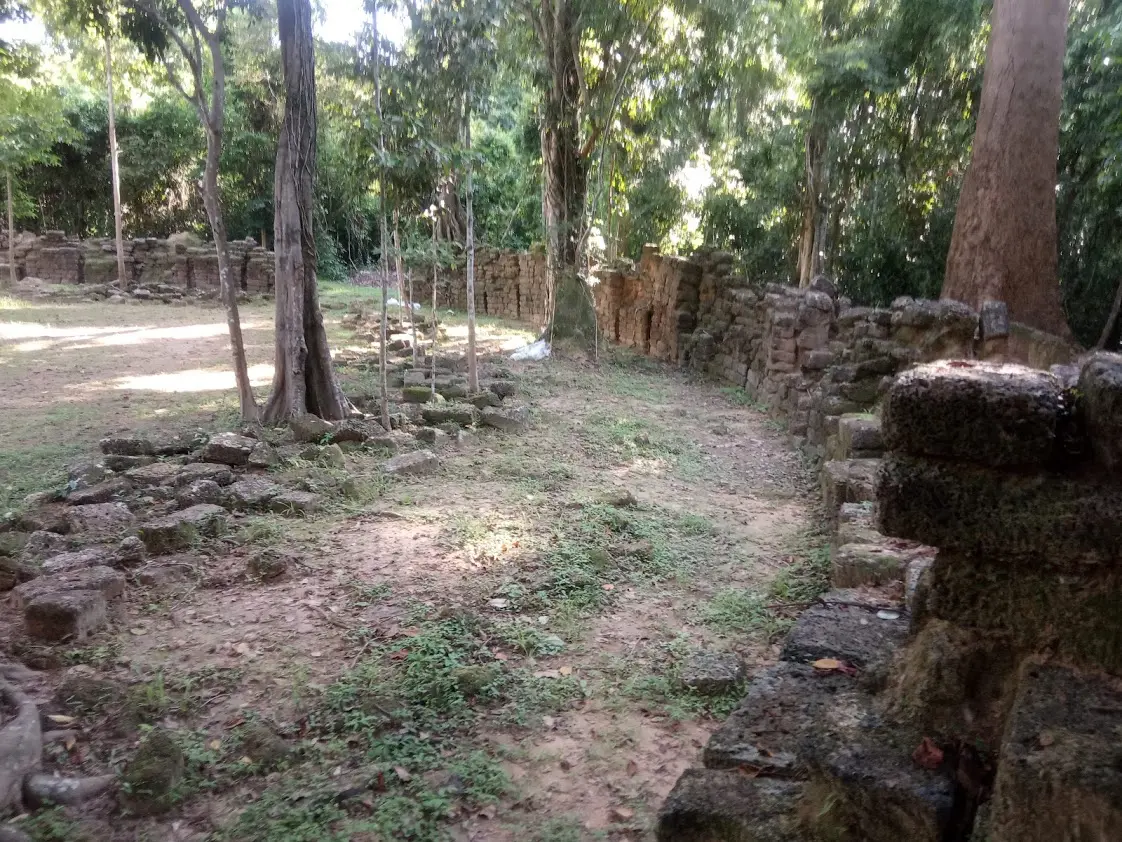
Krol Romeas, or Kraol Romeas, is the mysterious stone circle that is rarely visited by tourists even though it is hidden just off the Grand Circuit ofAngkor Archaeological Park. Believed to have possibly been an elephant pen, elephant bathing area, or maybe even a part of a water hydraulic system. Its original purpose can only … Read more
West Baray
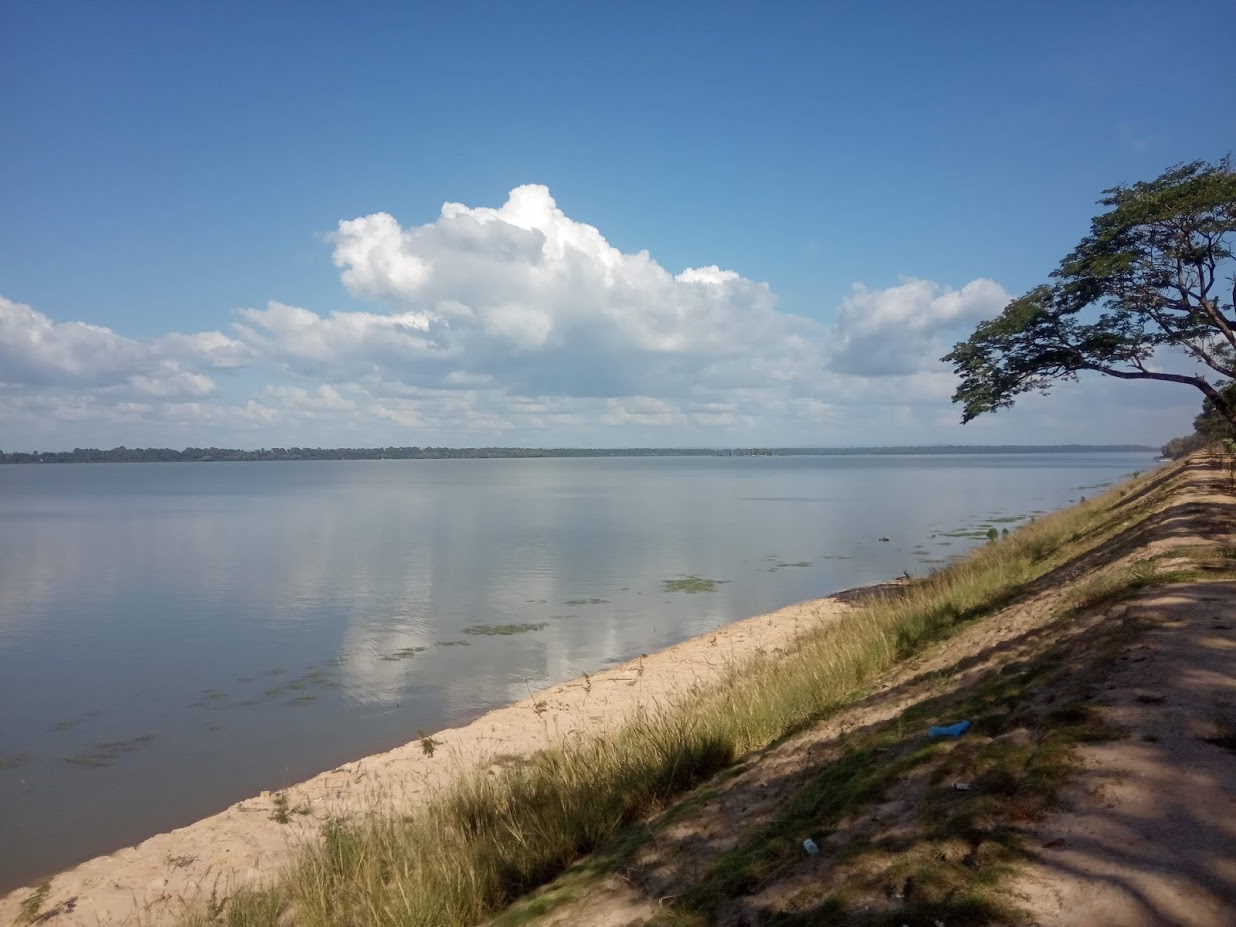
The West Baray (Khmer: បារាយណ៍ខាងលិច) or Baray Teuk Thla “Clear water Baray” (Khmer: បារាយណ៍ទឹកថ្លា) is a baray, or reservoir, at Angkor Archeological Park, oriented east-west and located just west of the walled city Angkor Thom. Rectangular in shape and measuring approximately 7.8 by 2.1 kilometers, the West Baray is the largest baray at Angkor and … Read more
Hae Phka Temple
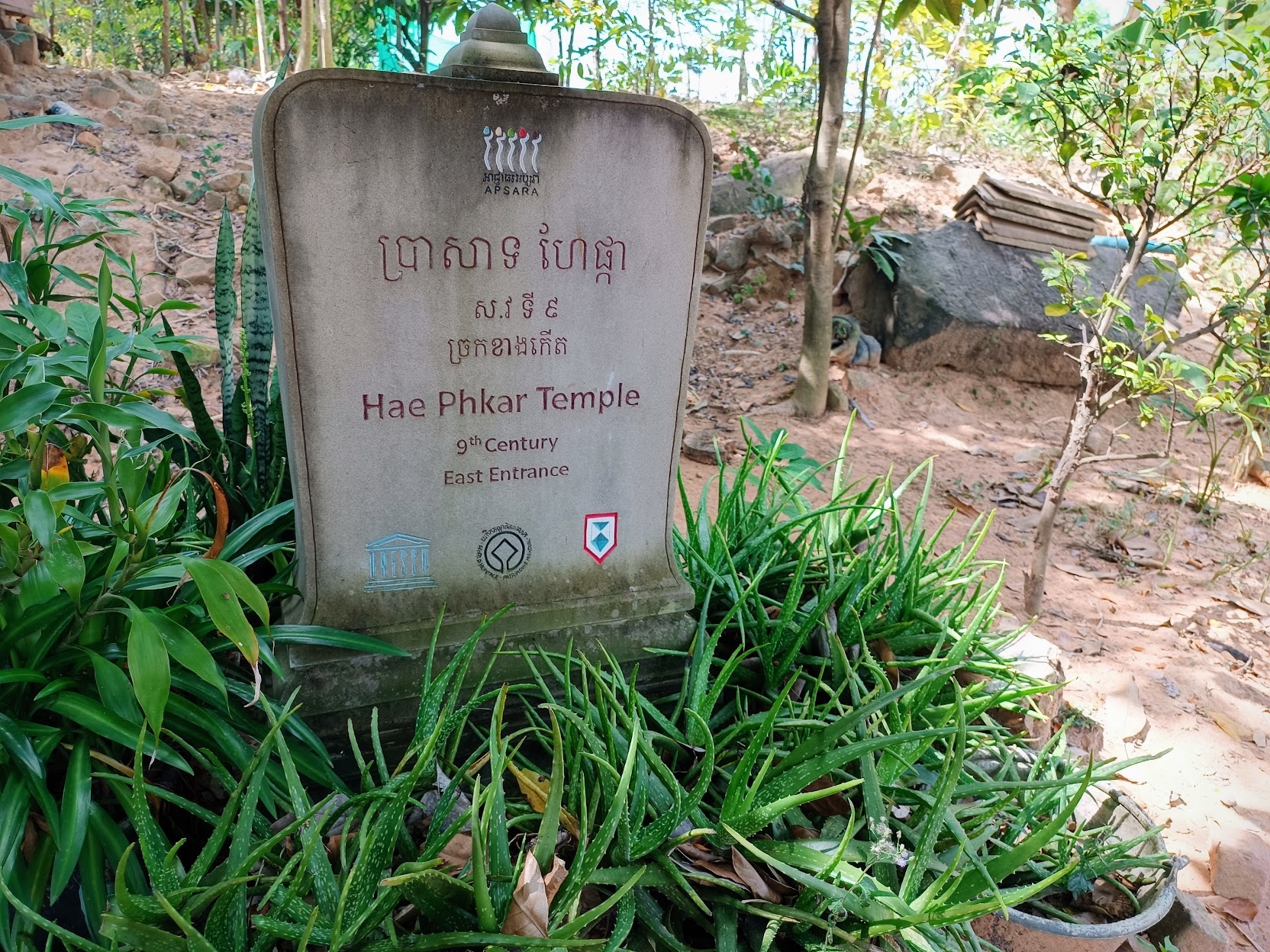
Scant remains of a 9th-century group of three brick temples with a large basin in the north. The site today is still surrounded by its original moat with an entrance on the east to a high-rising mound about 20m per side. The site features several laterite remnants, sandstone fragments, and some bricks can also be … Read more
Terrace #4 – Angkor Thom
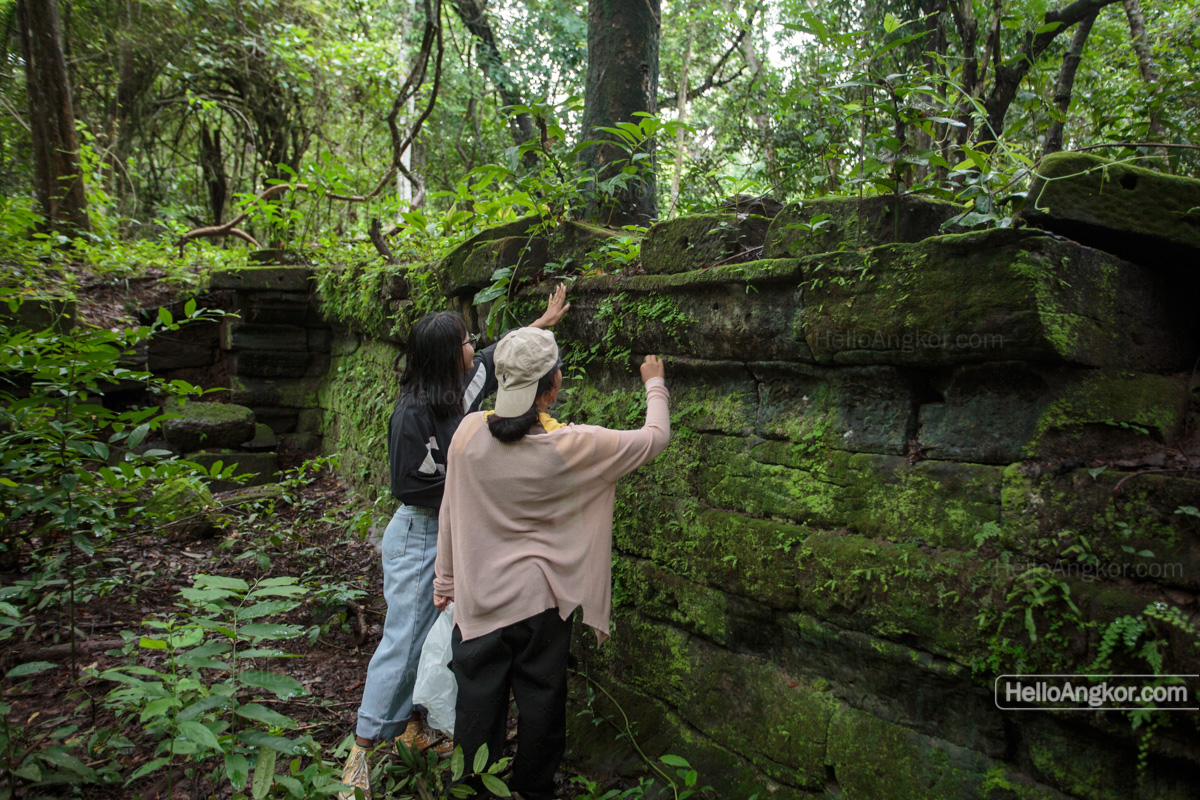
A large Buddhist Terrace, perhaps the largest in Angkor Thom, featuring a cross-section at its west end and then a lower platform at a meter or so high that extends east for some way. Built from sandstone it features no ornate decoration, from what can be seen at least, just styling lines that are in … Read more
Tro Moung Temple
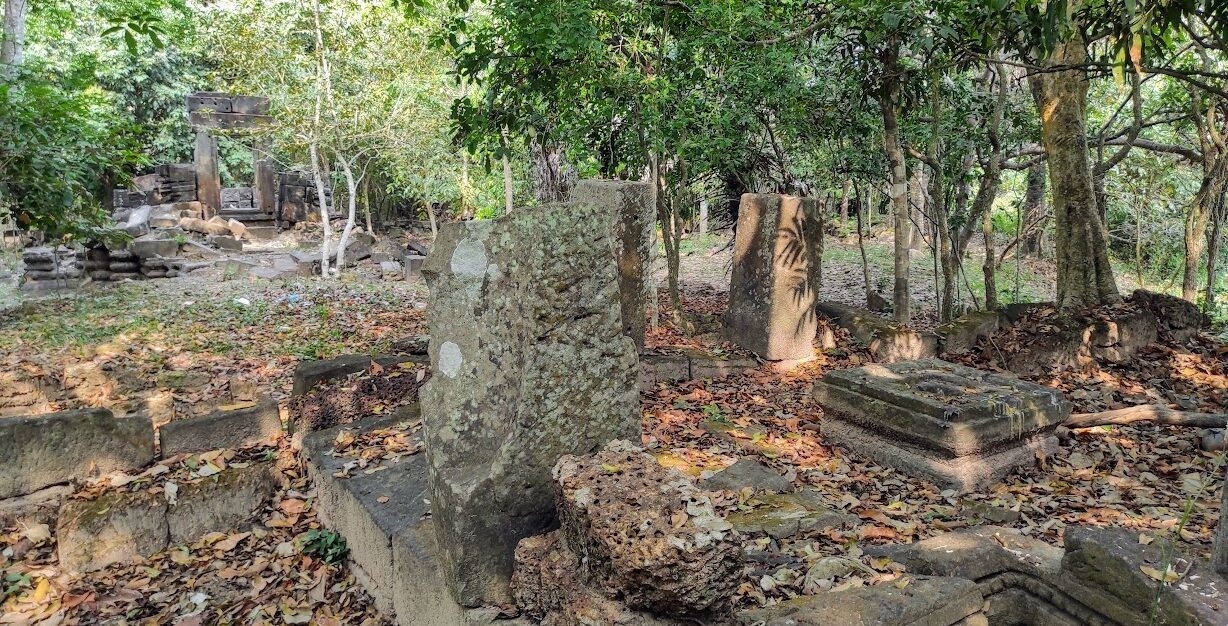
Also known as Ta Muong, a sandstone ‘hospital chapel‘, mostly in ruin but fascinating for its unique patterns and motifs. The single sandstone temple is open to the east with a terrace that extends to what appears to be an entrance gopura yet there is no sign of wall remains. A basin exists in the … Read more
Prey Temple (Puok)
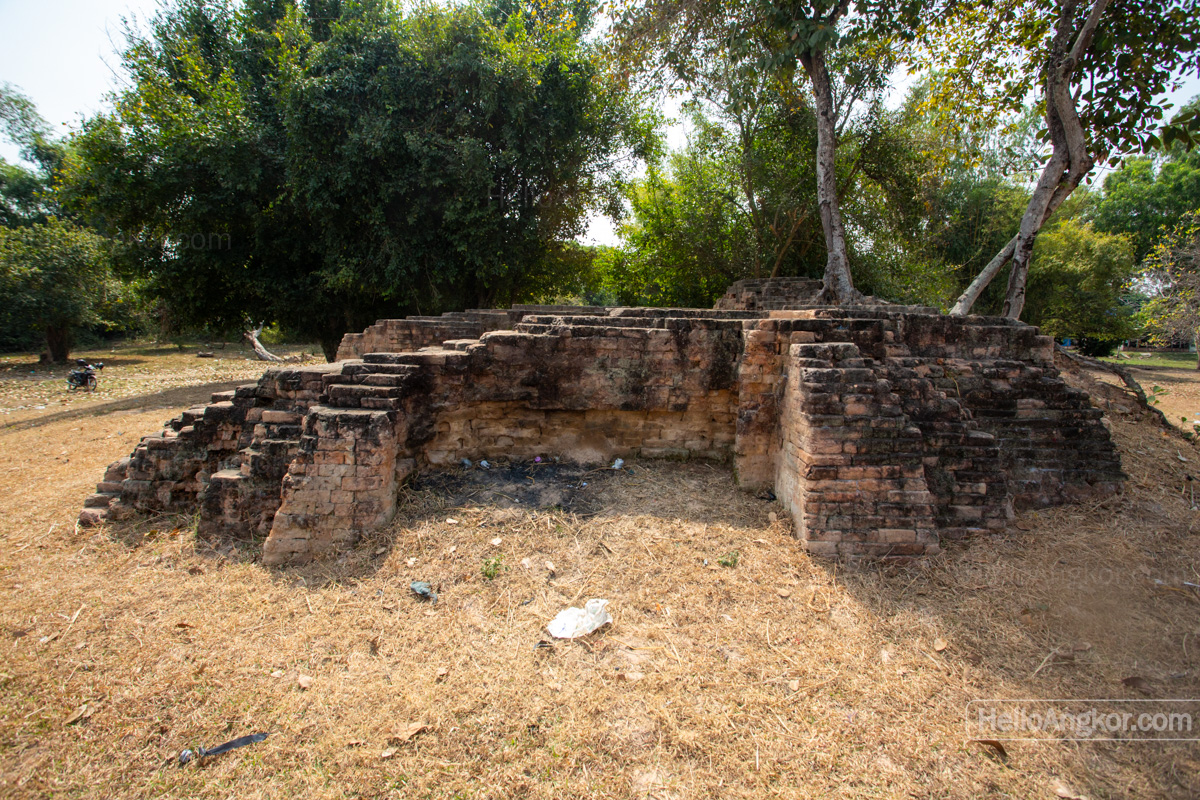
Located on the northwestern side of Siem Reap city, Prasat Prei, as it is also called, features an extraordinarily large mound with the remains of one brick shrine. It’s a small shrine with robust walls that are more common to the earlier period, in this case, signage at the site suggests it dates to the … Read more
Rong Ta Dev
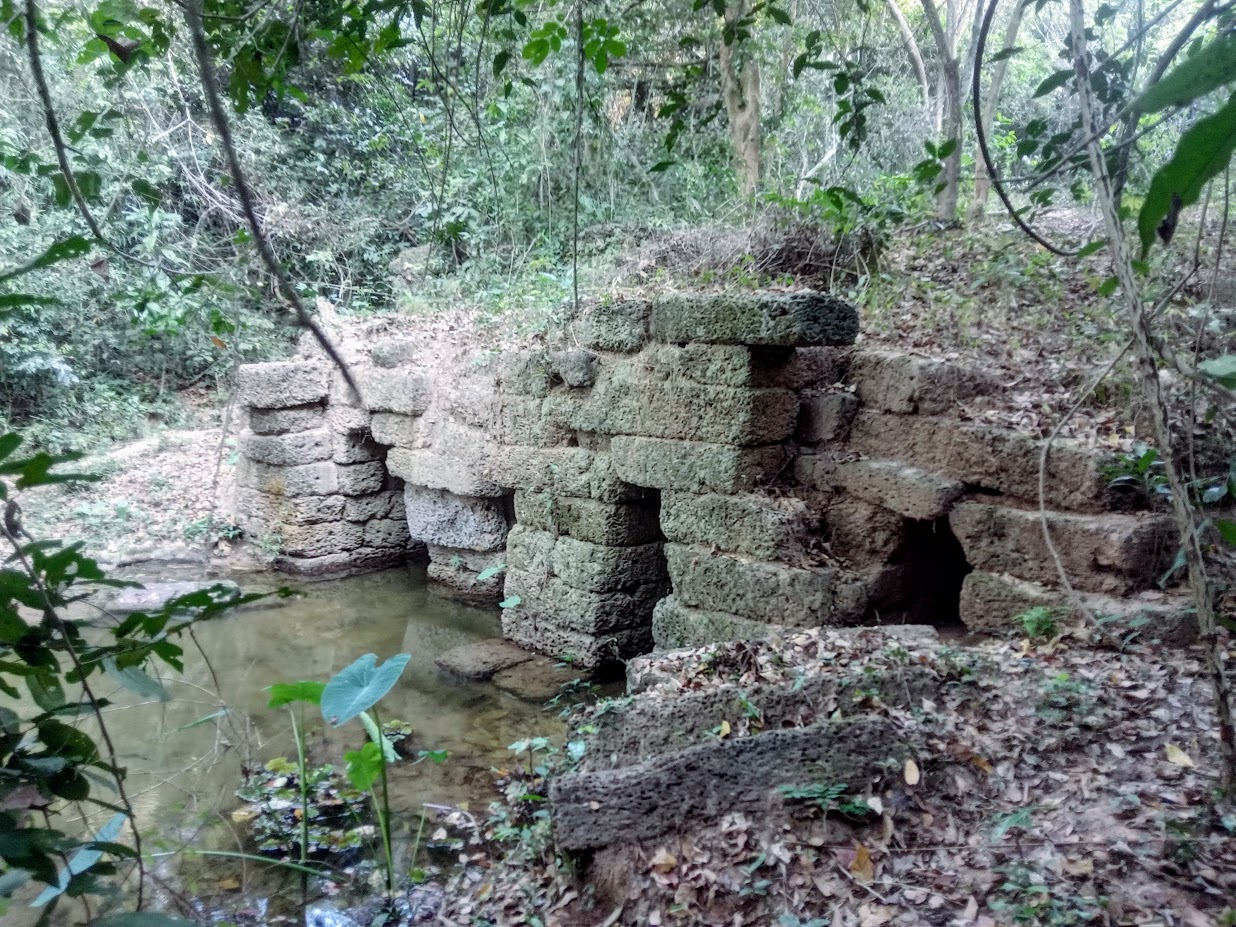
Also recorded as Run Trordev. Laterite construction featuring five arches that lead from the Boeung Thom basin through the wall of Angkor Thom and out to the moat. Near Prasat Chrung SW there is a short trail that leads from the southern wall down to the site.
Koh Ho Temple

Ruins of a brick temple with a laterite base that had an outer wall and entry pavilion. Only the temple base is standing plus one side of the door frame on which an inscription can be seen and has been recorded under K.750. It is also made of red sandstone and several red sandstone pieces … Read more
Angkor Thom South Gate
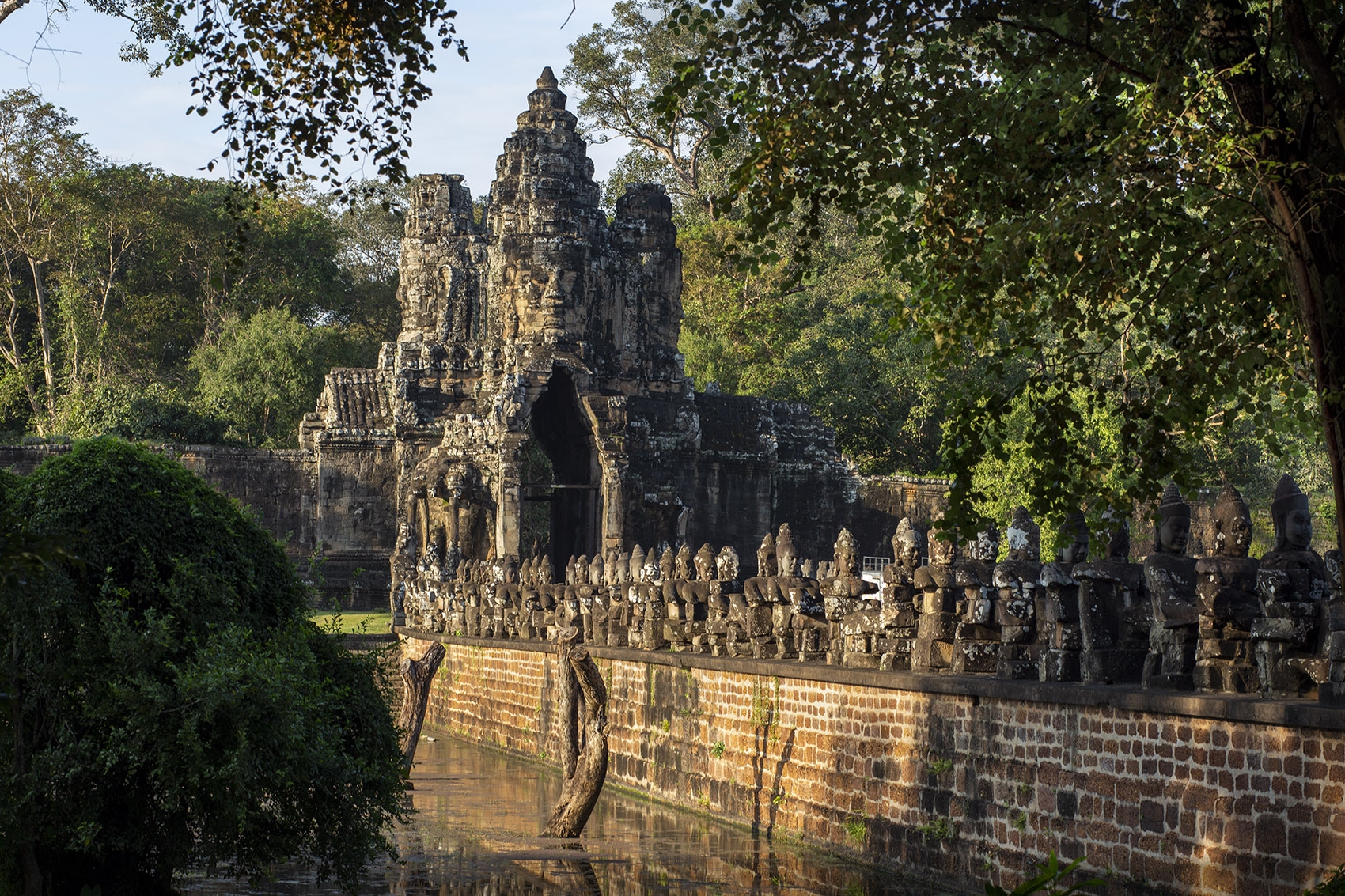
The south gate of Angkor Thom is a very famous spot within Angkor Archeological Park and one that shouldn’t be missed. Standing on the causeway, and admiring the sheer scale, as you find yourself drifting back in time to imagine how it must have felt to approach this spectacular city in its heydey is quite … Read more
Angkor Thom East Gate – (Gate of the Dead)
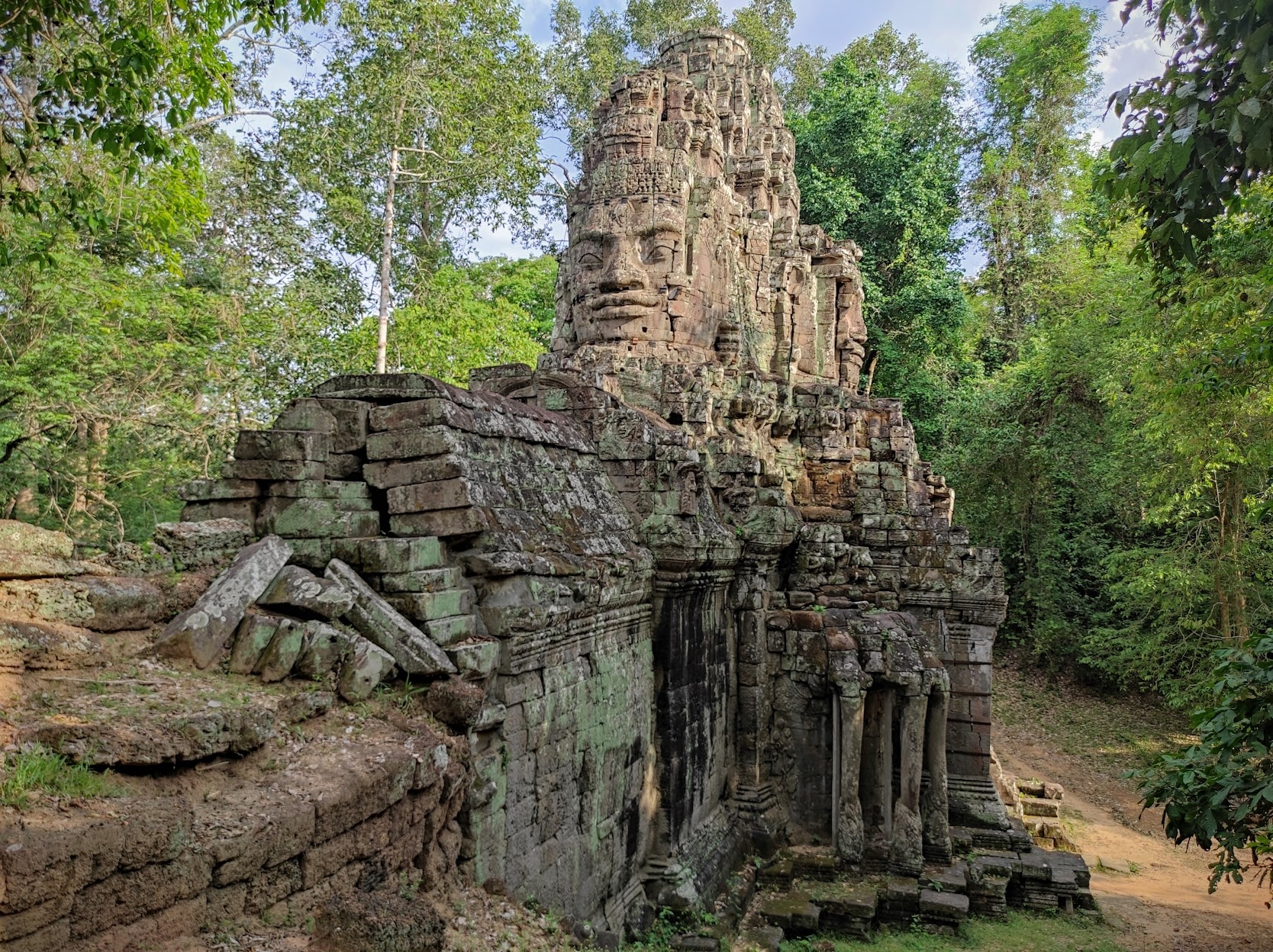
Angkor Thom East Gate, or Thvear Khnoch/Kmoch Gate (Gate of the Dead), is one of the five gates that lead through the walls of Angkor Thom. It is a rarely visited site that is approached from Bayon temple via a dirt trail. That said, of all the gates this one certainly has a character and … Read more
Angkor Thom North Gate
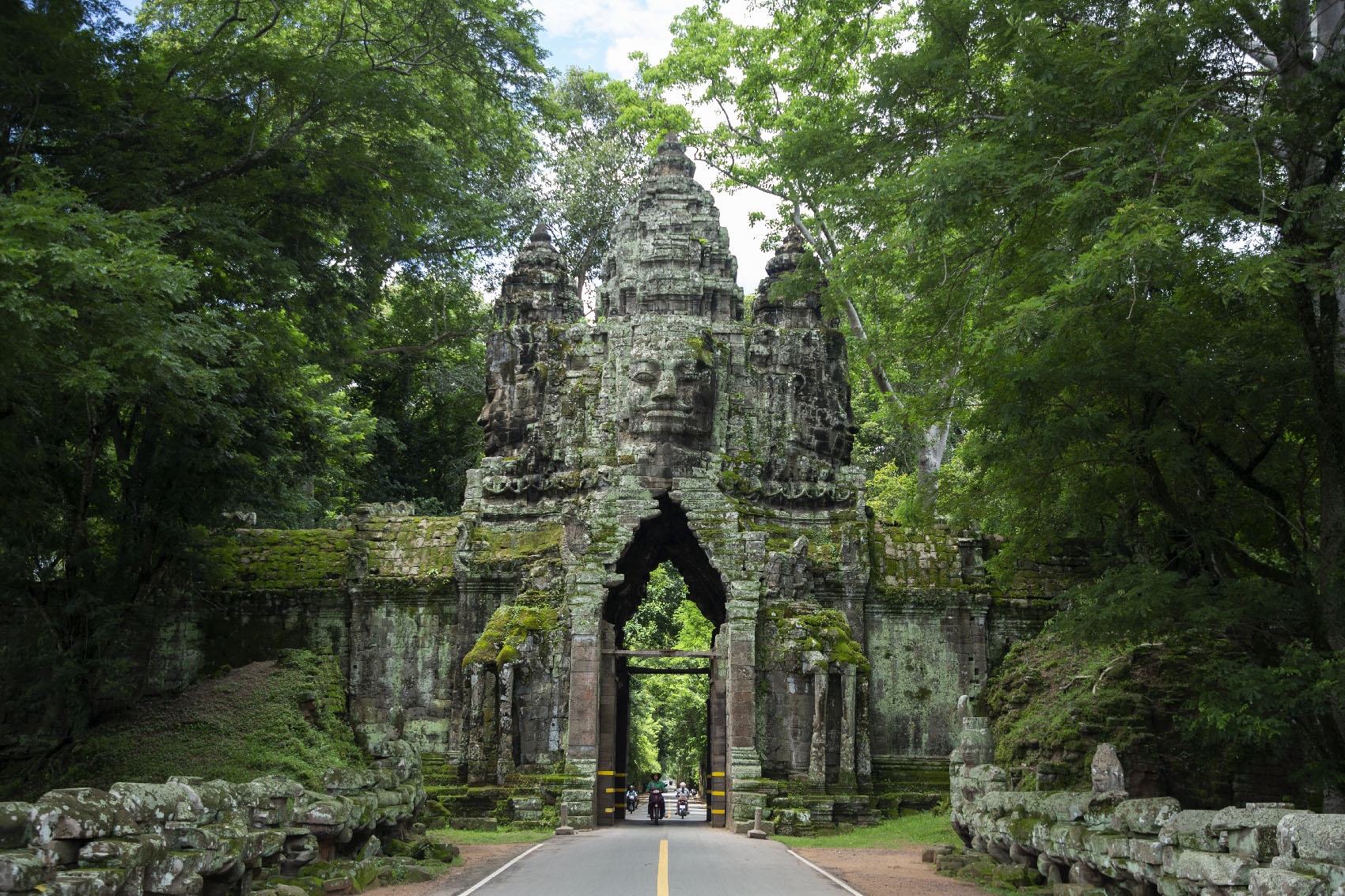
Angkor Thom North Gate, or Dei Chhnang Gate, is one of the five gates (gopura) for entering Angkor Thom. It is similar to the other gates featuring the massive gopura with monumental smiling faces at each cardinal point. As per the other gates, South Gate (Thvear Tonle Om), West Gate (Thvear Ta Kav), Victory Gate (Thvear Chey), … Read more
Angkor Thom West Gate
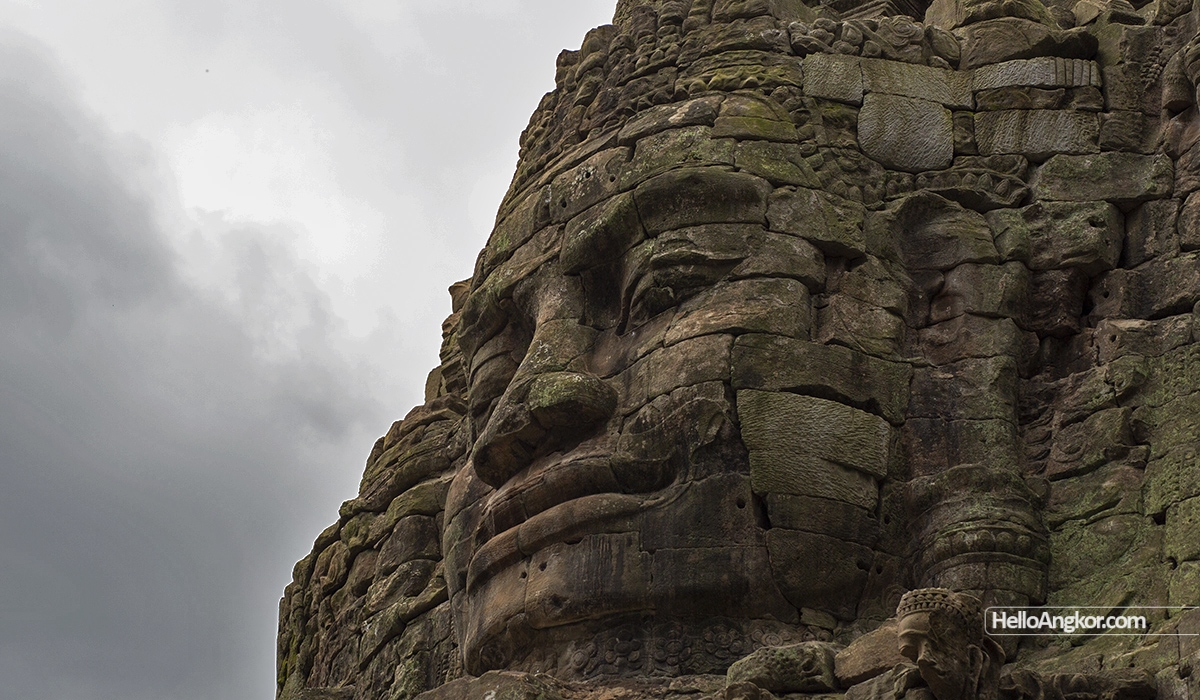
Angkor Thom West Gate (also recorded as Ta Kav Gate, TaKaov, Thvear Ta Keo) is one of the five ancient gates allowing entry into Angkor Thom. The other gates are the South Gate (Thvear Tonle Om), North Gate (Thvear Ta Nok), Victory Gate (Thvear Chey), and East Gate (Gate of the Dead or Thvear Khnoch). … Read more
Terrace of the Elephants – Layout, History & Hidden Quirks
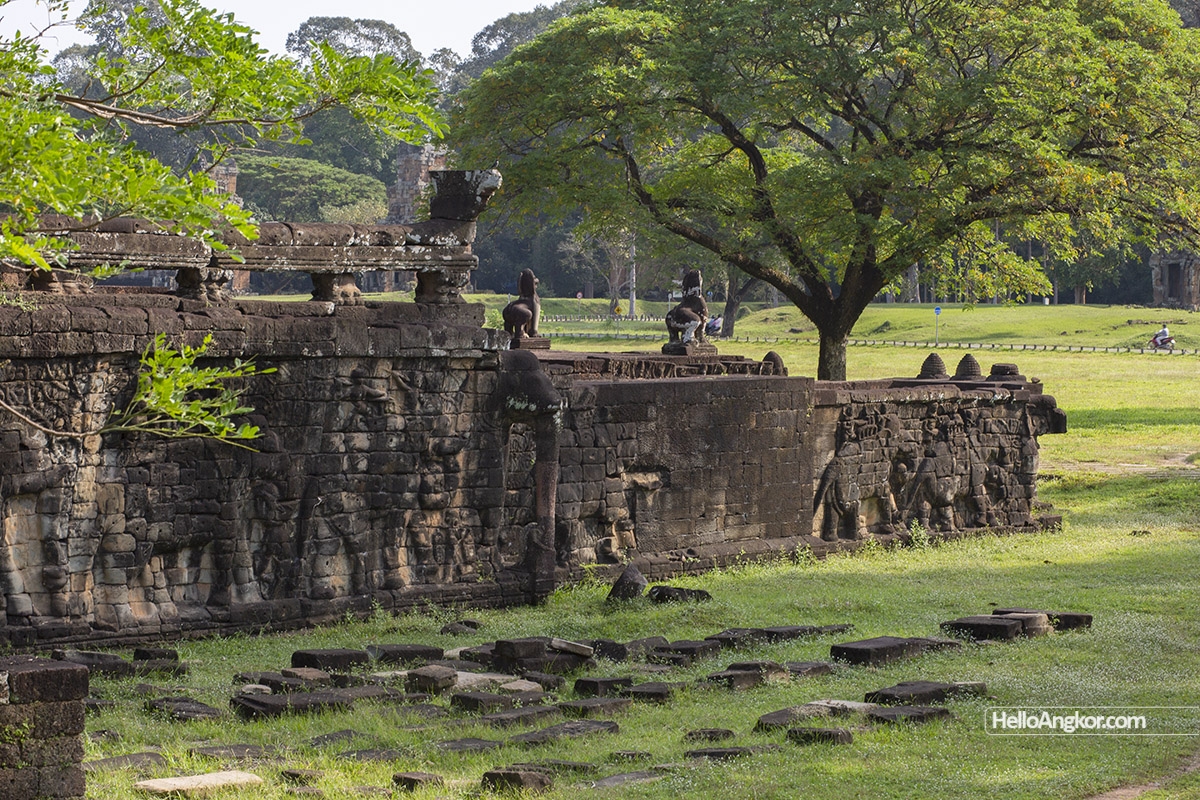
The Terrace of the Elephants (Khmer: ព្រះលានជល់ដំរី) is one of the many iconic constructions of the Khmer Empire and a key highlight within the walled city of Angkor Thom. The long terrace, also known in some records as the Terrace of Honor, fronts the Royal Palace and has an entrance that once joined a causeway … Read more
Kapilapura

Kapilapura is located northeast of Angkor Wat and you can reach the site by foot or bike by following the dirt trail around the north side of the outer moat towards the northeast corner where you’ll notice a trail heading north following that for just a minute or two. The site included a brick temple … Read more
Wat Prama
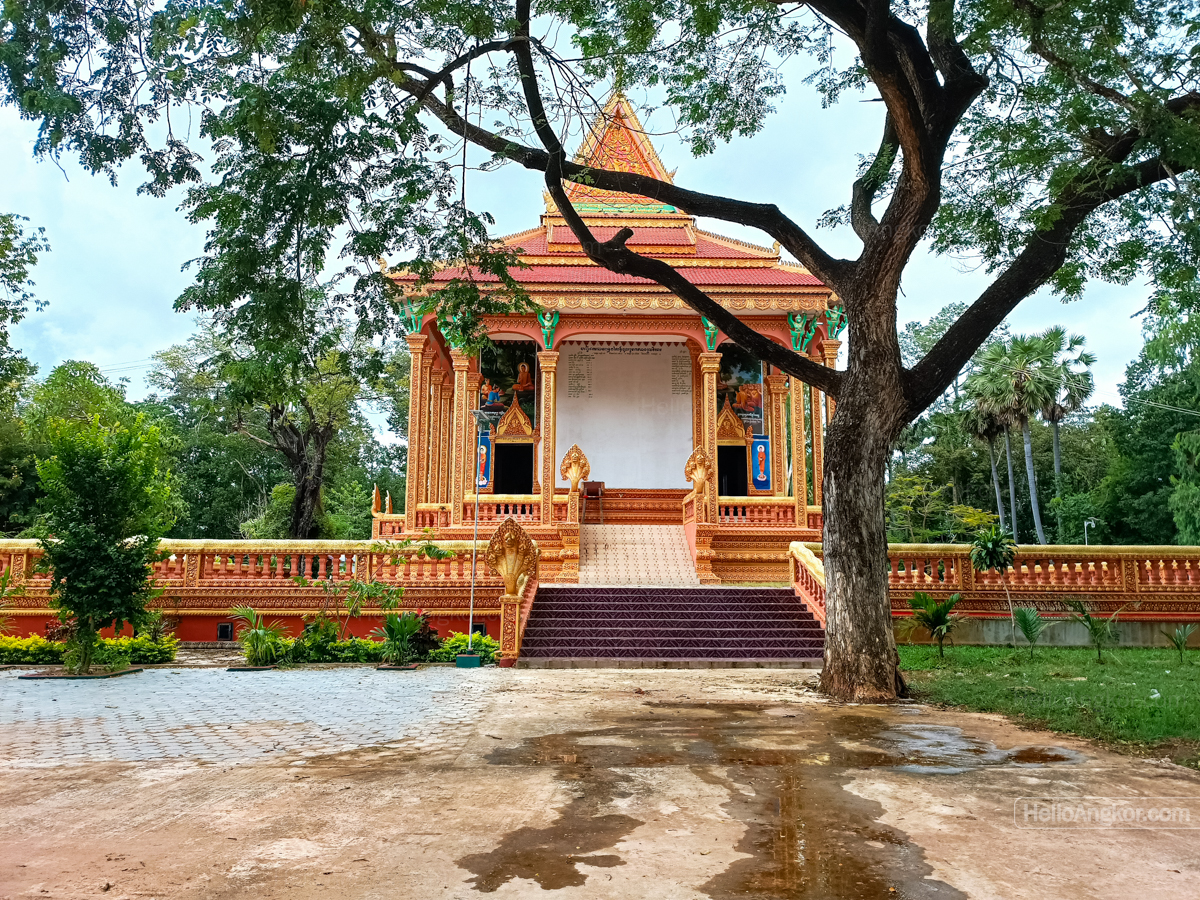
Monastery with a vihara surrounded by a moat. Its base is built with blocks of laterite and sandstone carved pieces. (source: Cisark)