
Ancient Remains & Temples
Kok O Chrung Temple

Site features the ruinous remains of a laterite building known to be one of the many firehouse/resthouses that were built along the ancient road. The site is heavily overgrown (03/22) but its typical shape is easily noticeable, a tower with a forebody/hall leading east and a series of windows in the southern wall. There are … Read more
Lich Temple

The site features scant remains today. It is where the French would discover and record an inscribed stele whose whereabouts is today unknown. Historical Notes Translated from French, Inventaire Descriptif Monuments du Cambodge, E. Lajonquiere, 1901 703. Prasat Lich (The Sunken Sanctuary). It is located about 300 meters S. E. of the village of Mong. … Read more
Mong Temple
Scattered ruins of what was once a group of nine brick temples. Historical Notes Translated from French, Inventaire descriptif Monuments du Cambodge, E. Lajonquiere, 1901 Prasat Mong. It is located approximately 300 meters N. of Kuk Balang (nº 704), on a very elongated mound, in a N.-S direction. and surrounded by a basin-ditch. There we … Read more
Preah Phnom Temple
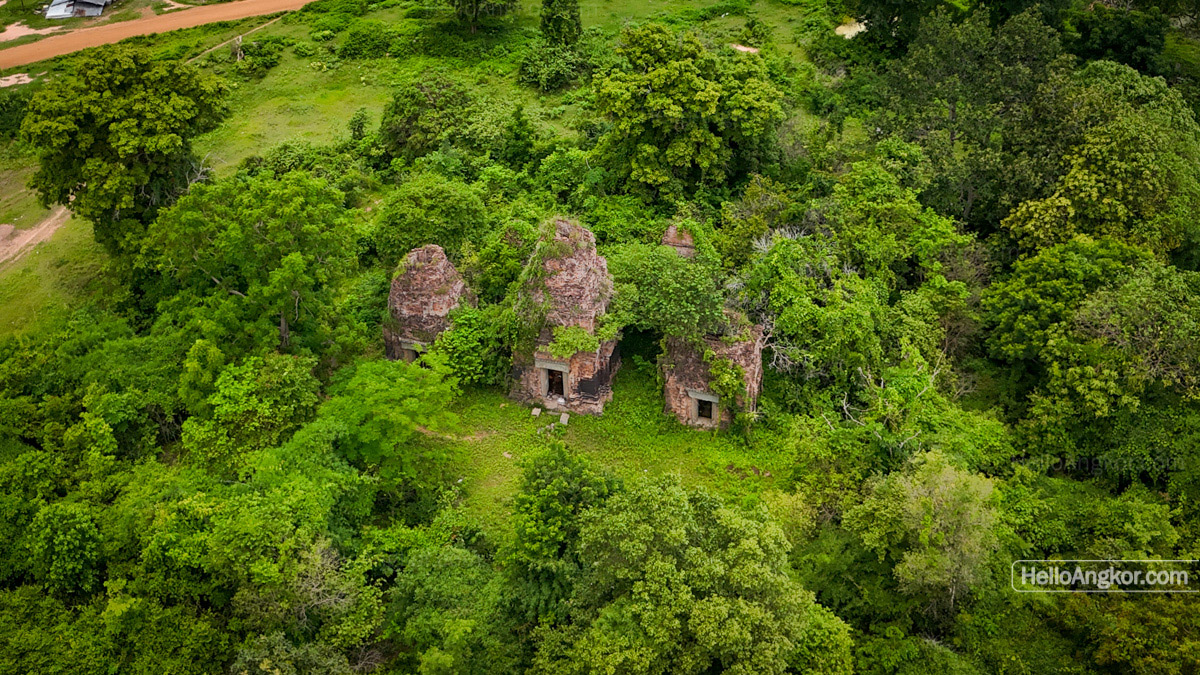
Preah Phnom temple is located in Angkor Chum District of Siem Reap Province, about 65km from Siem Reap city. It is a group of five square brick temples set on a large rise with two annex buildings or ‘libraries’, and moat (dry and partly consumed by farmland), and large basin in the north. Interestingly, from … Read more
Kampleanh Sa
Remains of a three brick temple group, surrounded by an outer wall with a large basin in the east.
Kok Mon Temple

Prasat Kok Mon is another of the many “firehouse” that lined the ancient roads of the Khmer Empire acting as the temple of a larger resting area. Sharing the same basic layout as other “firehouses” this one is constructed of laterite with three sandstone framed windows in its south wall. The temple has several curiosities … Read more
Kbal Bei Temple

Located northeast of Srei Snam, it’s a walled group of three brick temples, mostly in ruin. The site features a laterite outer wall with an entrance gopura on the east and on the west (not sure about the south and north). Wall and Gopura – The east gopura appears as though it would have been … Read more
Preah Khset Temple
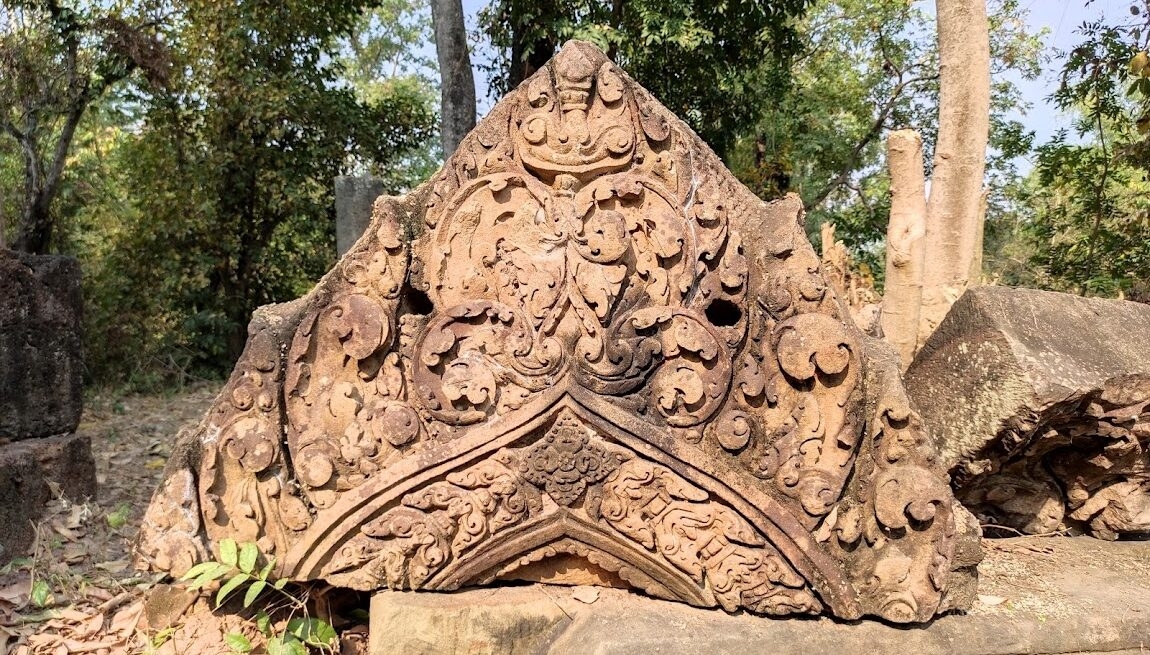
Prasat Preah Khset is located in the beautiful village carrying the same name, Preah Khset, and the site is easy to access but recently become a little overgrown with thorns again (10/2/22). Regardless, it’s a fascinating ancient site. The ruins sprawl far and wide but concentrate beginning with what would have been the entrance gopura. … Read more
Krae Temple
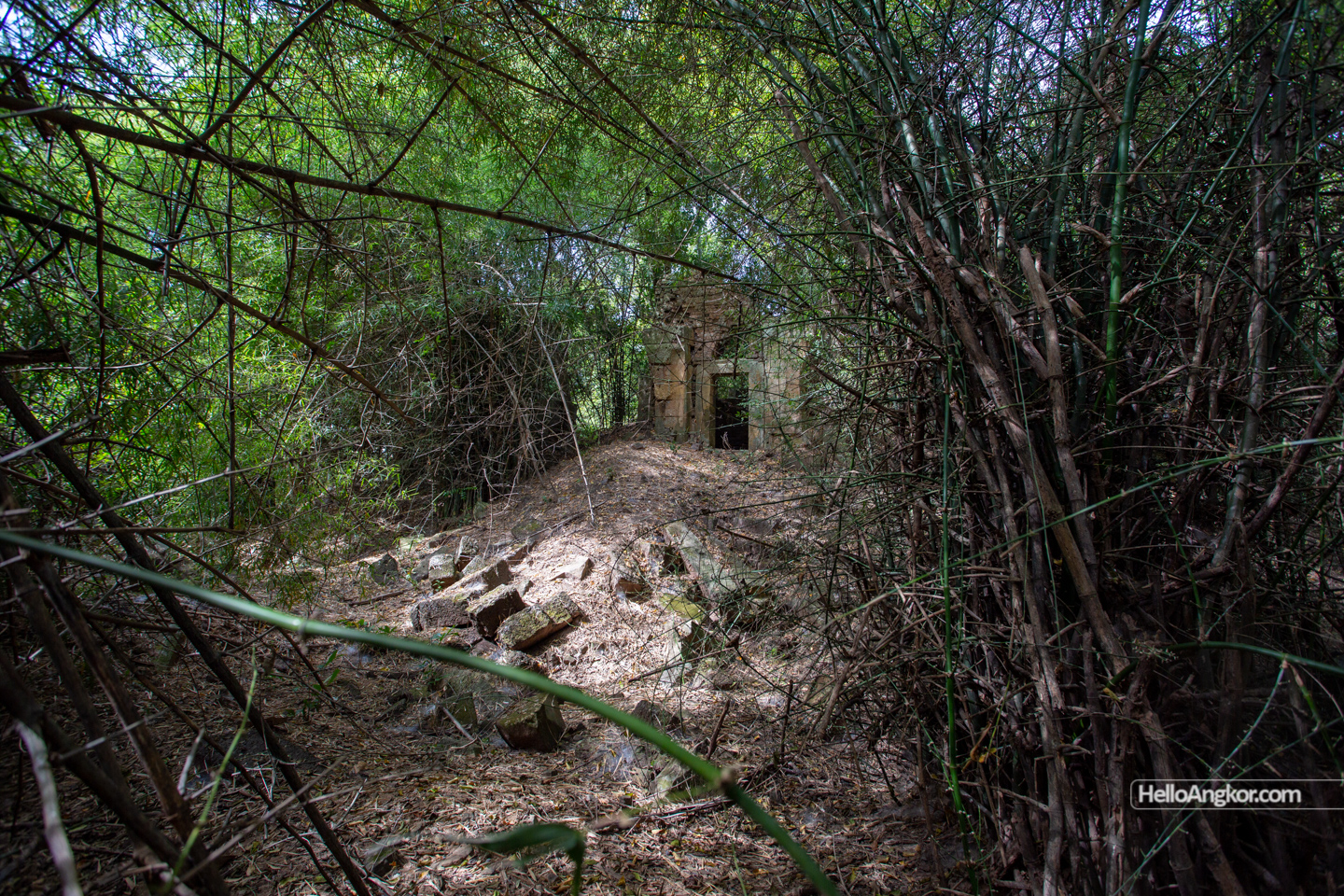
Recorded as Prasat Kre in the 1900s by the French explorer and geographer, Etienne Lunet de Lajonquiere, the site features the remains of a three-brick temple group with an outer laterite wall and moat. Locals know it by Kon Krang or Koun Kreng (Khmer: ប្រាសាទ កូនគ្រែង) as it is recorded likewise on Google Maps. The site … Read more
Yeay Tei Temple

Also recorded as Prasat Don Tei and Daun Tei, it’s the site of an ancient brick temple that was surrounded by a moat. At the site today several remnants can still be seen including a beautiful makara-naga corner piece, a lintel fragment with an image of kala, a pink sandstone pedestal, a small grinding table, … Read more
Spean Krabon

A grand, laterite bridge located on the ancient road connecting Angkor to Phimai. It’s not far from Prasat Kok Mon yet it is best accessed from a trail that comes around the bridge’s north side, which is deep, loose sand in the dry season and usually flooded in the rainy season. Getting there: Take the … Read more
Spean Khmeng (Stueng Ojit)
Remnants of an ancient laterite bridge recorded as being 37 m long and 9 m wide. There are several bridges sharing the name “khmeng”, see more of the ancient road network and bridges here and here. Note: Are these the remnants of a bridge? I am not 100% sure, they are ancient that’s for sure, but I really … Read more
Spean Khmeng (Anlong Lake)

Also recorded as Spean Memay measuring 35 meters long and 9 meters wide. There are several bridges sharing the name “khmeng” and “memay”, see more of the ancient road network and bridges here and here. Today, the trail to the site leads around its eastern side whilst a full view of the bridge can be had from its … Read more
Spean Slaeng

A small but charismatic bridge located along the ancient road just south of the larger Spean Po. Recorded as measuring 24 m long. See more of the ancient road network and bridges here and here.
Spean Po

Located along the ancient road that led from Angkor all the way to Phimai. This bridge was recorded as measuring 47 meters long and 9 meters wide. See more of the ancient road network and bridges here and here.
Ta Lei Temple (Varin, Siem Reap)
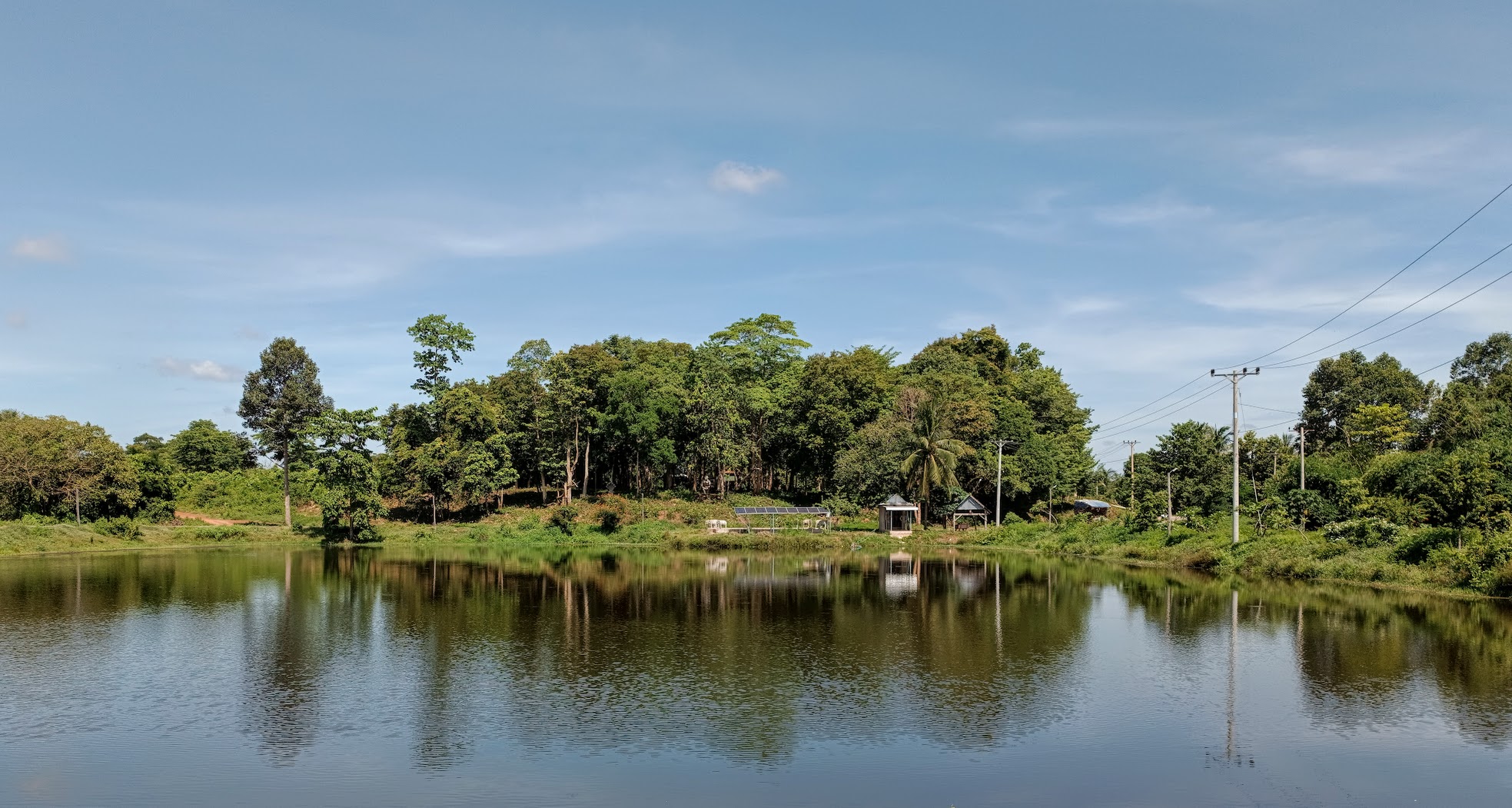
Also recorded under many names inc. Trapeang Phtol and Chankiry Temple, its is the partially standing remains of a large temple site that featured enclosure wall with gopura with a square central shrine. The site is quite interesting, for several reasons including featuring a mixed of brick, sandstone and laterite in its construction and also … Read more
Terrasse Bouddhique No. 3 – Monument 89 – Angkor Thom
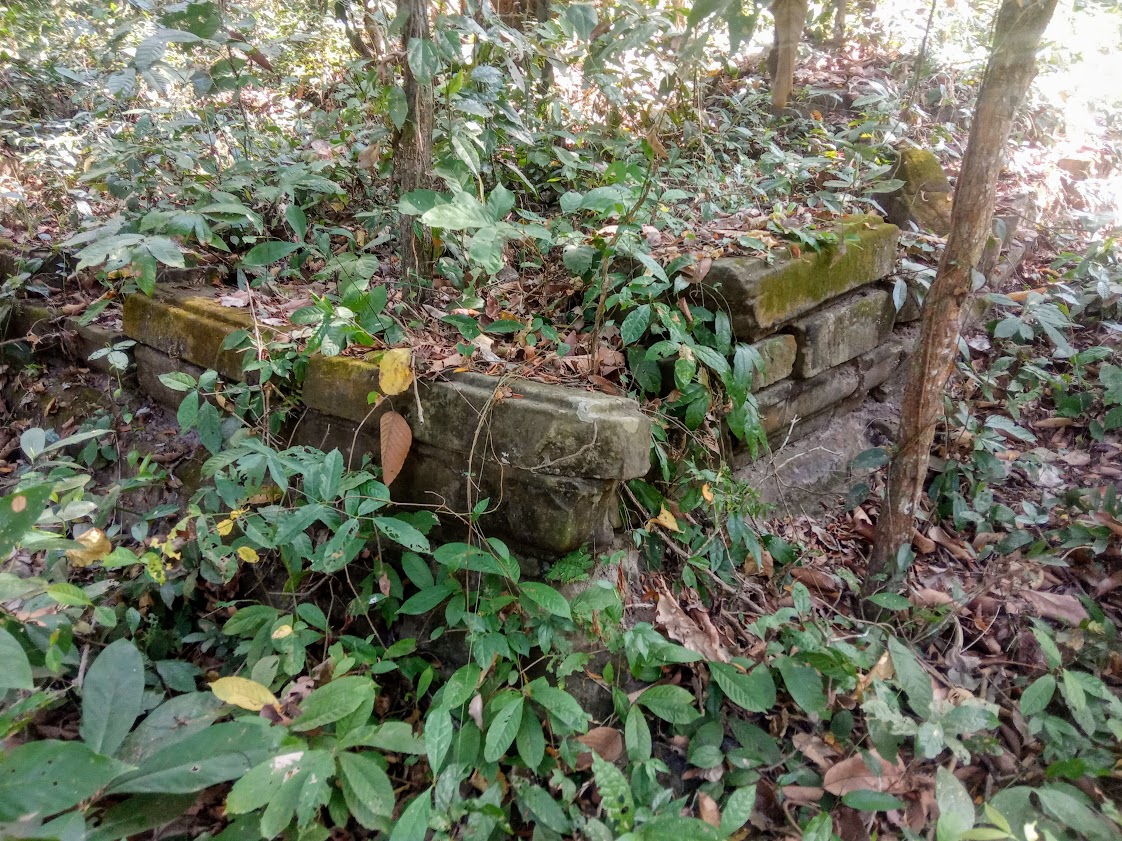
A presently uncleared site, first uncovered in 1918 by Henri Marchal and referred to as Terrace #3, it’s a large sandstone terrace, near to 40 m long and 20 m wide, surrounded by sema stones, and opening to the east with a small laterite building of only around 3m sq. It is suggested to be … Read more
Preah Kok Thlok
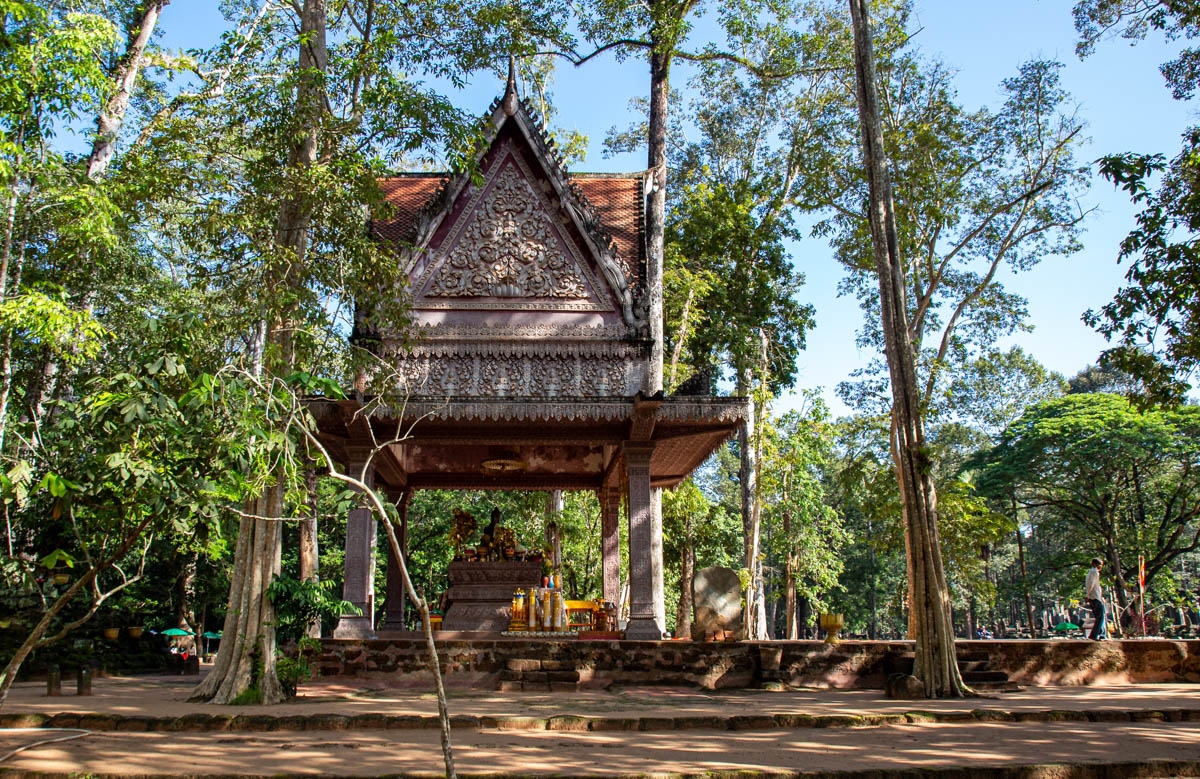
Located immediately west of the Bayon Temple in Angkor Thom, it’s a recently reconstructed ancient Buddhist terrace, demarcated by double sema while also featuring the remains of laterite chedi/reliquary on its western side. It remains a sacred site for locals who come to pray here. The remains of the laterite structure at the western end … Read more
Preah En Tep
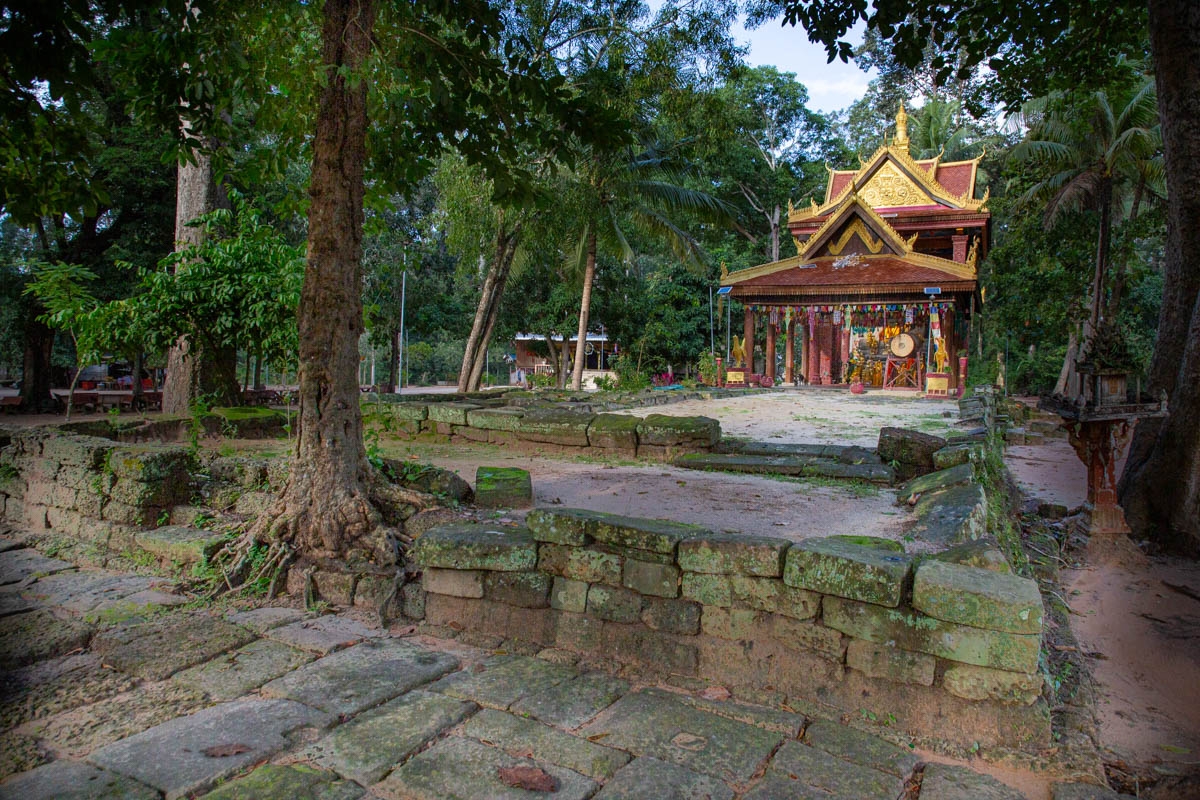
Located just south of the Bayon Temple inside Angkor Thom, Preah En Tep was an ancient Buddhist Terrace that has been restored in recent times. As it is with other terraces of the type, it faces east and features a grand pedestal, or balang, at its western end. In this case, it supports a monumental … Read more
Kutisvara Temple
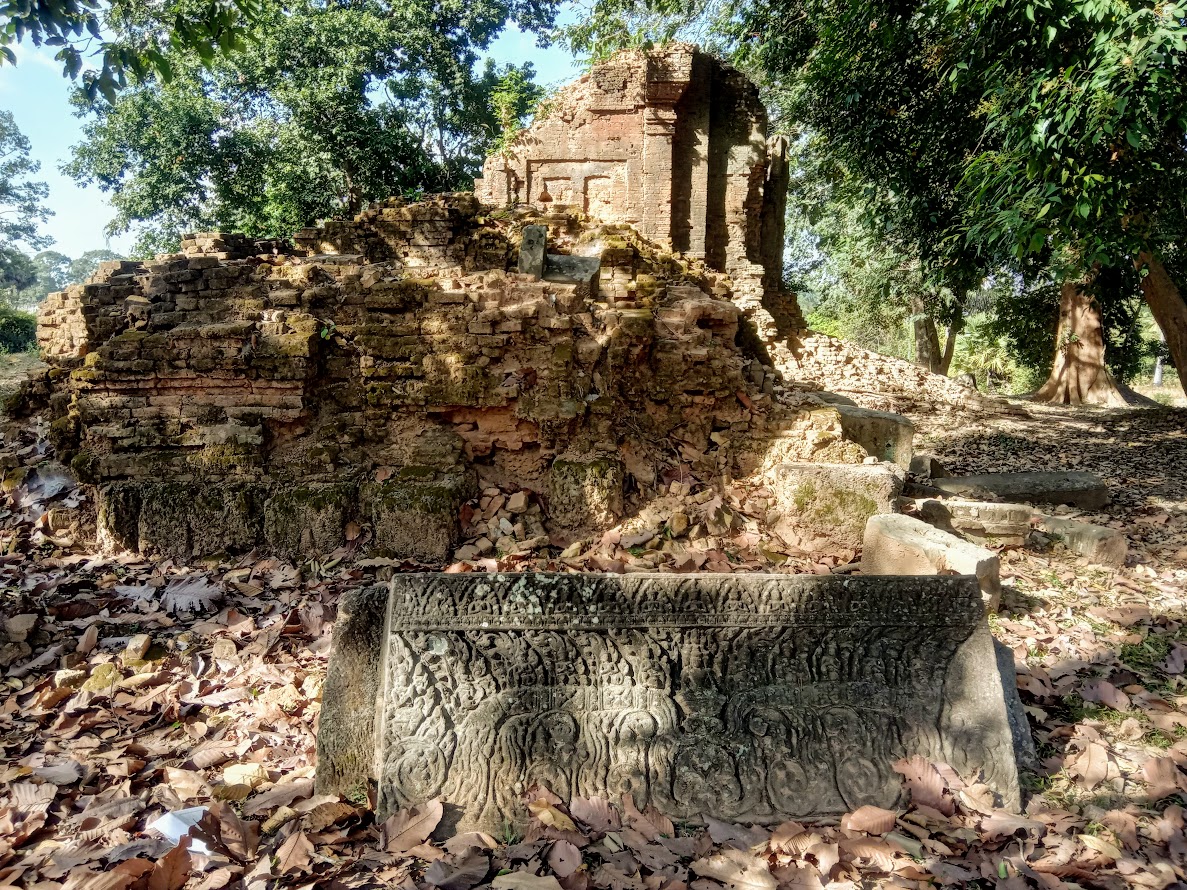
Kutisvara (Khmer: ប្រាសាទកុដិស្វរៈ or ក្តីសូរ) is a small brick temple site consisting of three towers in ruined condition. It is the site of Kuti, mentioned in the stele of Sdok Kok Thom in connection with the 9th century and King Jayavarman II. Besides, an inscription found on a stone reused for the building of Banteay … Read more
West Baray
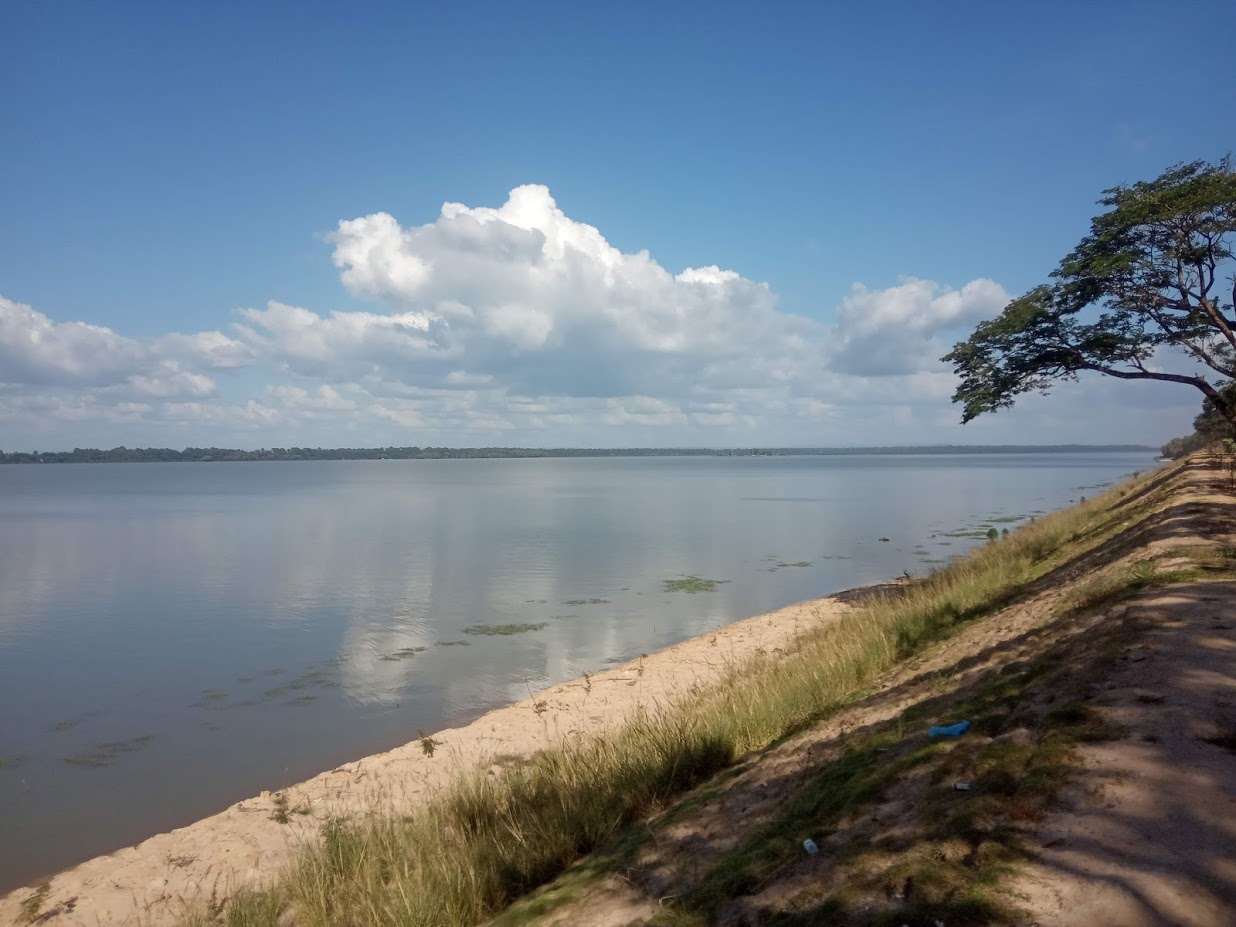
The West Baray (Khmer: បារាយណ៍ខាងលិច) or Baray Teuk Thla “Clear water Baray” (Khmer: បារាយណ៍ទឹកថ្លា) is a baray, or reservoir, at Angkor Archeological Park, oriented east-west and located just west of the walled city Angkor Thom. Rectangular in shape and measuring approximately 7.8 by 2.1 kilometers, the West Baray is the largest baray at Angkor and … Read more
Krol Romeas
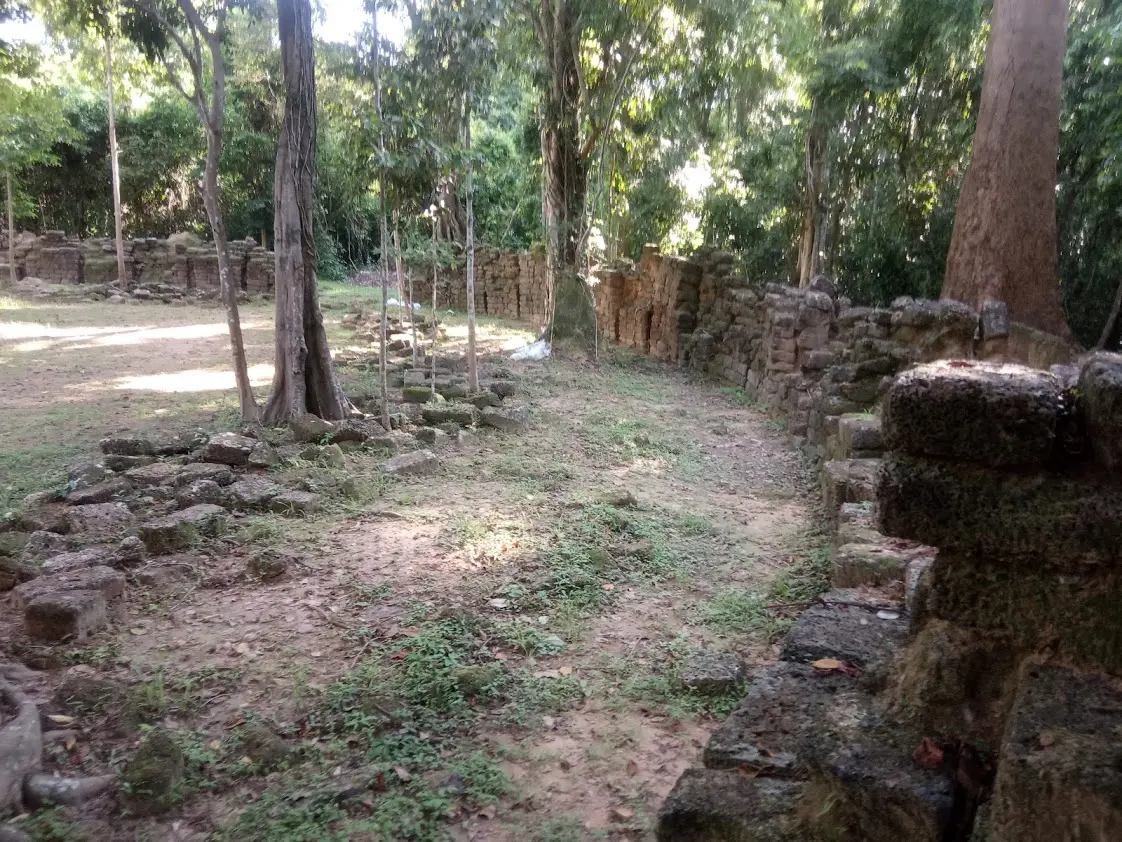
Krol Romeas, or Kraol Romeas, is the mysterious stone circle that is rarely visited by tourists even though it is hidden just off the Grand Circuit ofAngkor Archaeological Park. Believed to have possibly been an elephant pen, elephant bathing area, or maybe even a part of a water hydraulic system. Its original purpose can only … Read more

Spean Tor

Laterite bridge, no longer in use and hidden in scrub (2020/21), and located just north of Prasat Tor and one connecting the ancient road from the West Baray dike heading to Phnom Bok. The bridge runs east-west, and you will see a wooden bridge heading north at the road junction, go over that, turn around … Read more
Prei Prasat
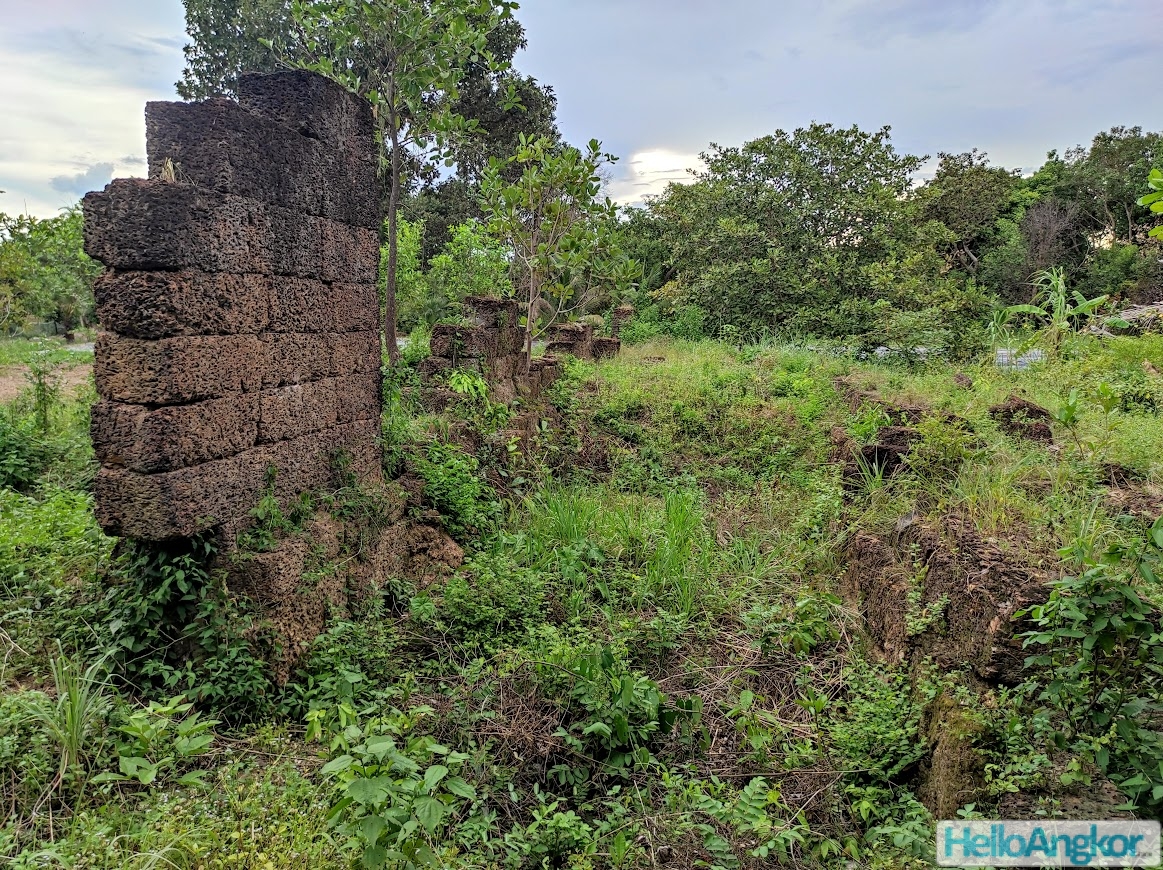
A late 9th-century “Yasodharacrama“, or “Hermitage of Yasovarman”, this one dedicated to Shivaism. During the reign of King Yasovarman, several acrama (asrama, ashram, ashrama) for the study of various religious sects were built. The stele carrying the inscription registered under K.279 was revealed by Aymonier in the 18th c and the laterite structure by Trouve … Read more
Don Sô
Scant remains of a group of temples. Statues and inscriptions were found at the site.
Kong Bong Temple

Prasat Kong Bong is recorded as originally being a group of two brick temples, opening to the east, with moat and basin in the east. Only a base structure of the north tower remains visible but it is particularly special if that is in fact the original final coating still seen on the remaining molded … Read more