
Temples
Boeng Veng Temple
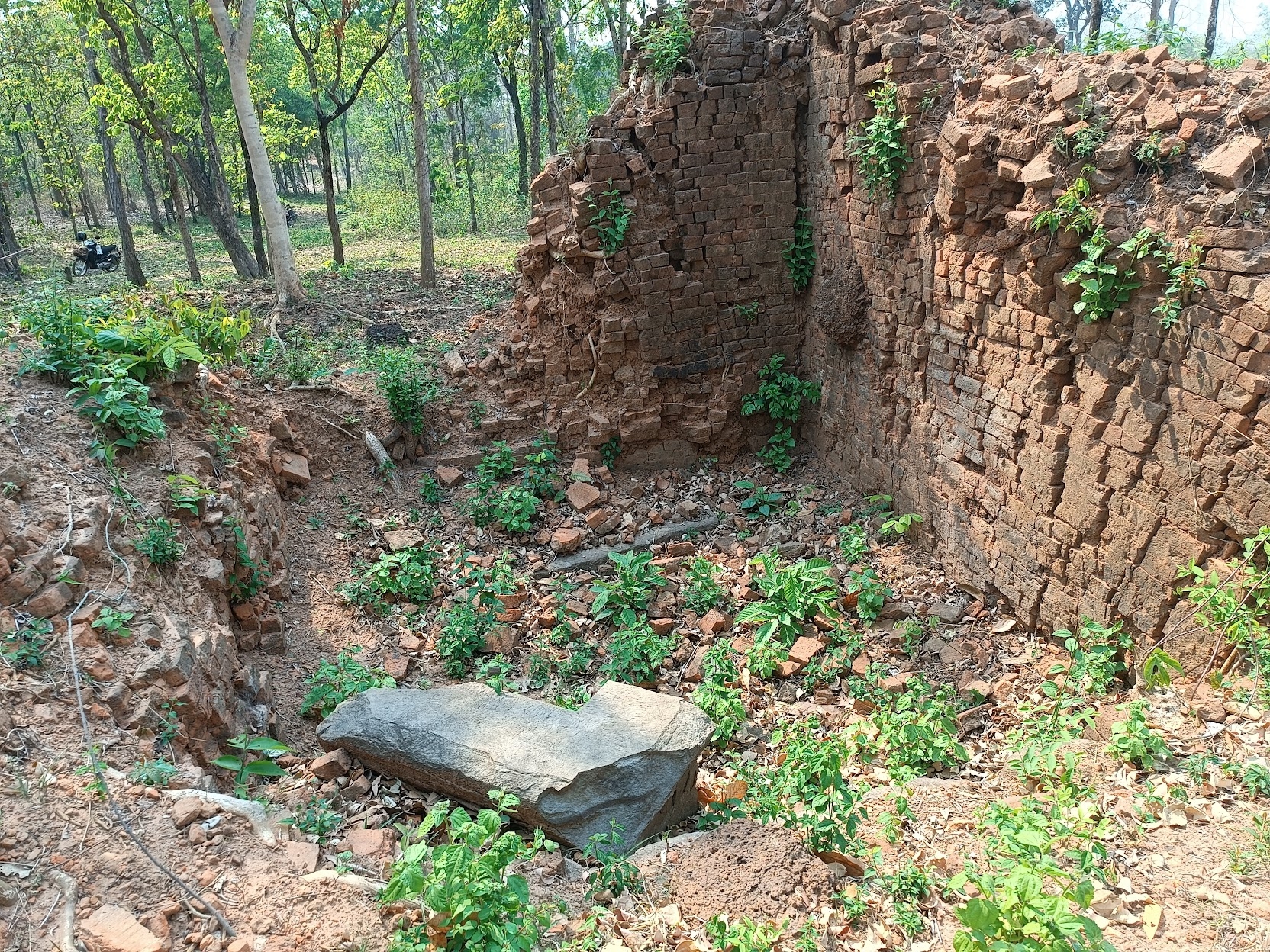
Located north of the main group of temples in Koh Ker, it’s also known as Prasat Beng Veng and Prasat Ben Ven. Still standing today is one brick shrine in what is recorded as a group of three built upon a common laterite base and opening to the east. The site is notable for featuring … Read more
Ponlei Temple
Remains of a square laterite temple with outer wall
Trapeang Trach Temple
Remains of a ruined sanctuary (location estimated)
Kakoh Temple (Sambor Village)
A group of partially standing brick temples. Location market approximate to general area!
Spean Thnâl Dach
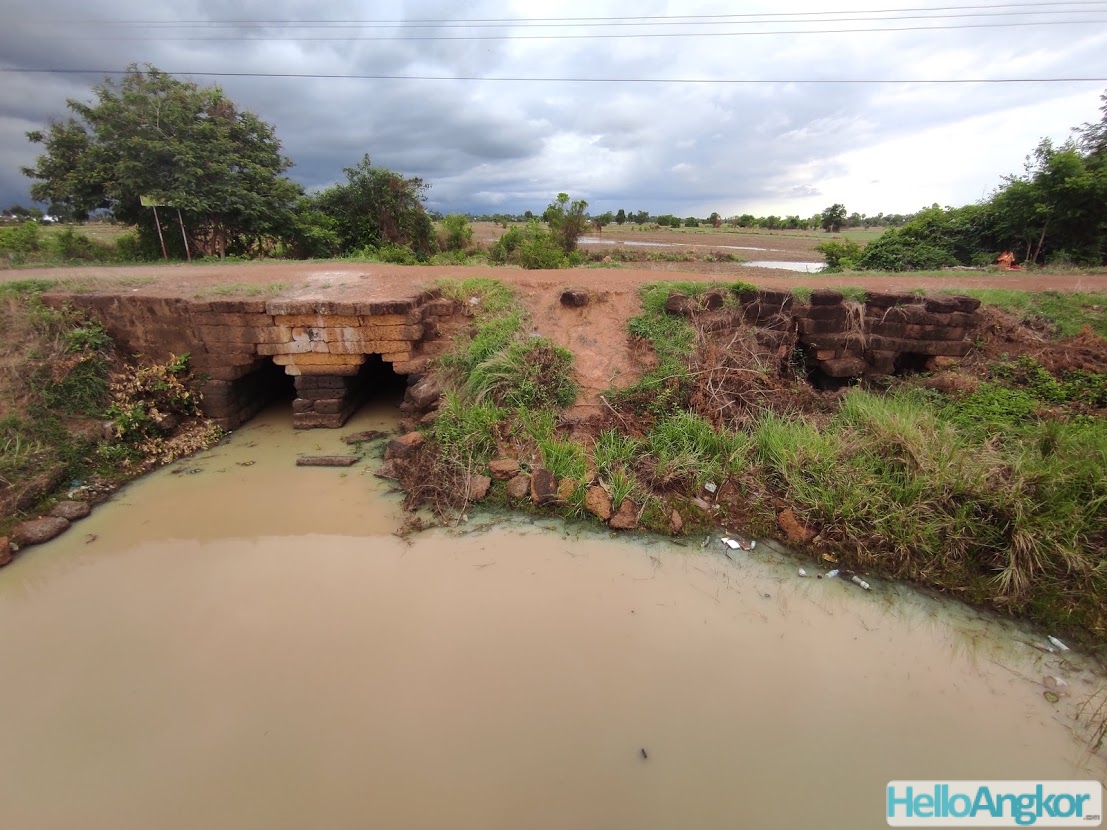
Laterite bridge consists of 4 arches visible but that was to include 7. It measures nearly 27 meters long, 7.5 to 8 m wide and 3 m high (Source: Cisark).
Kraol Temple
Remains of a laterite temple
Toek Krâhâm Temple
Remains of a brick temple
Prei Prasat (Trapeang Prei)
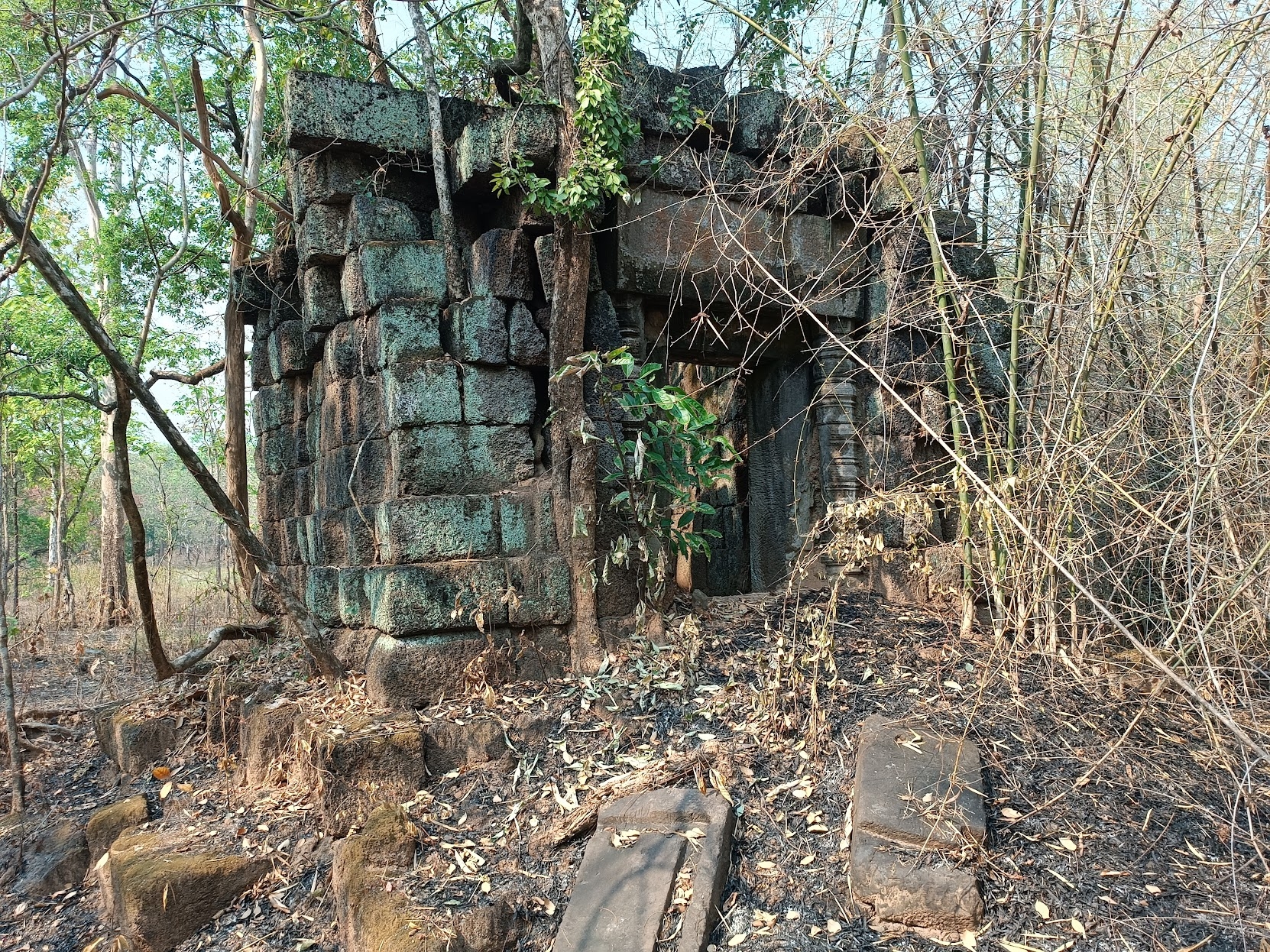
Prasat Prei, also known as Prasat Trapeang Prei, is a square laterite temple with a basin on the north and south. The temple, unusually, opens to the south and features a sandstone doorframe that is flanked by decorated door columns that are notable for their style. It has a tiered laterite base with steps on … Read more
Wat Kraom
Monastery built upon the site of an ancient temple, also where an inscribed stele was found believed to have originated from Wat Lo
Wat Sala (Soutr Nikom District)
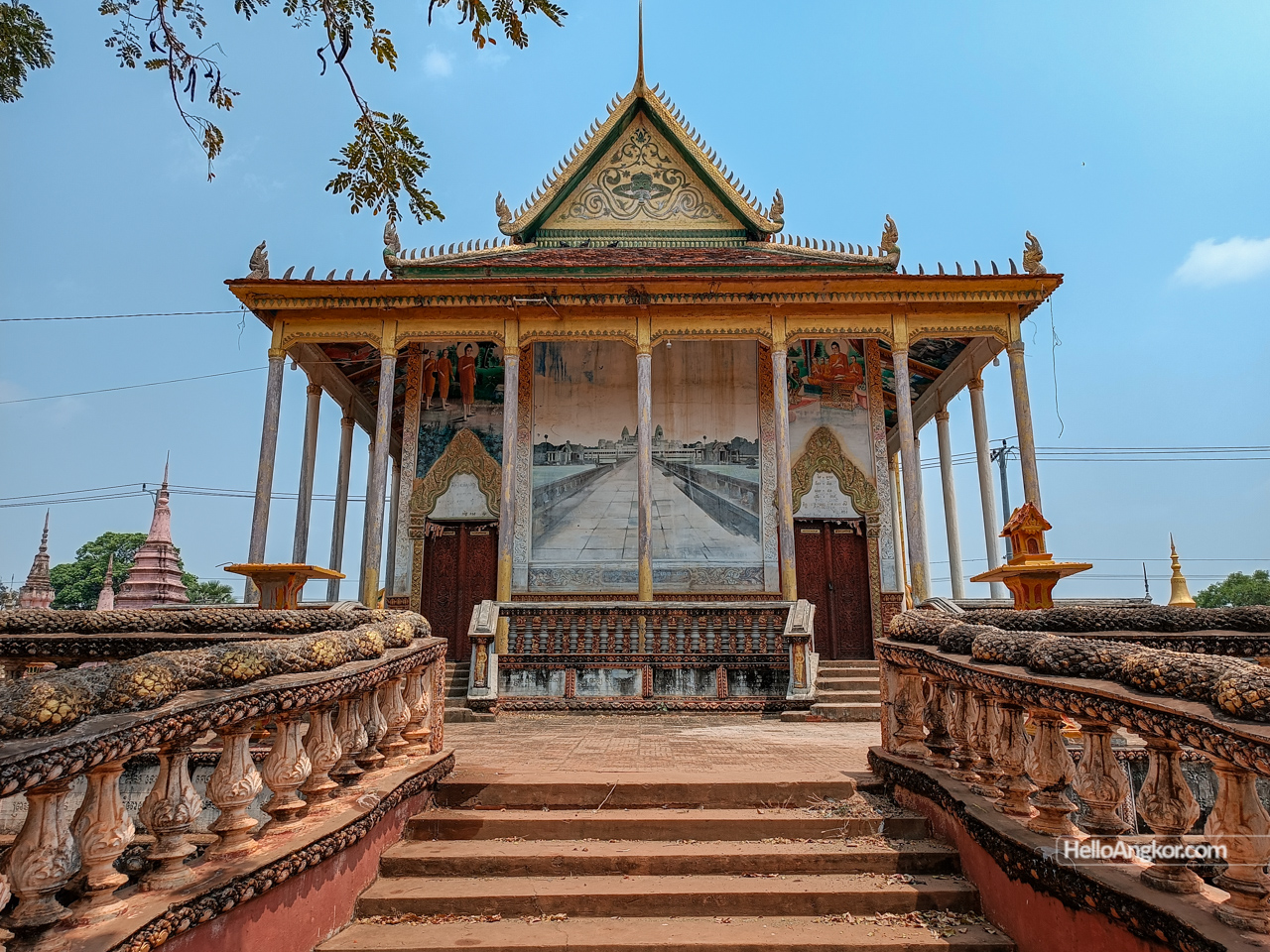
Also recorded as Wat Sovan Seila (Khmer: វត្តសុវណ្ណសិលា), it’s a contemporary monastery and pagoda that retains the remnants of an ancient temple site perhaps dating to the tenth century. Nearby the pagoda is a collection of remnants of the ancient temple that may have dated to around the 10th century including a decorated pilaster, statuette … Read more
Wat Leu
Also recorded as Vat Lo, Chean Chum, Pothivong Leu Pagoda, Can Cum, and Vat Pothivon Leu… It’s a contemporary monastery that is built upon a base of laterite likely originating from an ancient temple site. It is also the origin of inscriptions recorded under
Sak Kraop Temple
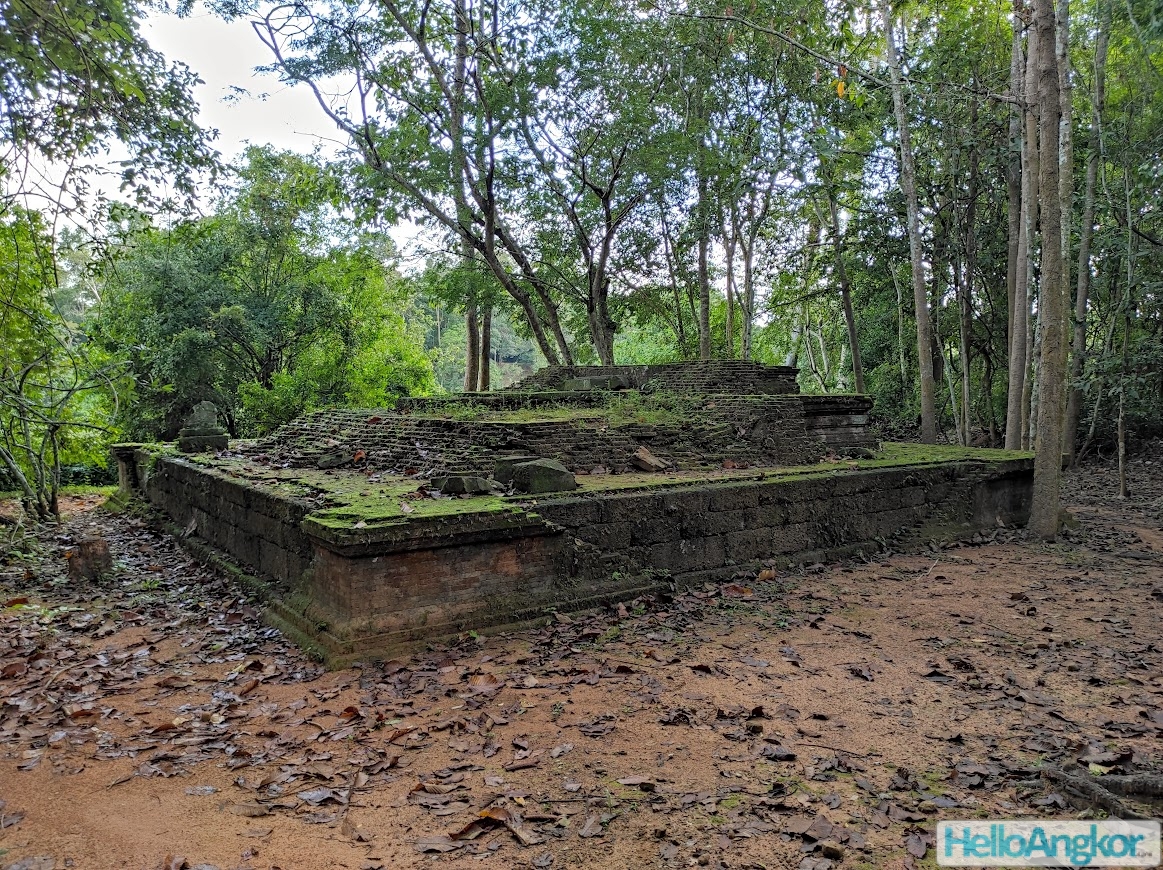
A small brick temple built over a laterite base structure. Whilst there is not a lot to see with the main body of the tower no longer, it is still interesting, at least for temple geeks. The site opens with ascending stairs from the east and what would have been an unusual chambered style of … Read more
Spean
Laterite blocks indicating the presence of an ancient bridge (source: Cisark)
Prasat Chrung (NW)
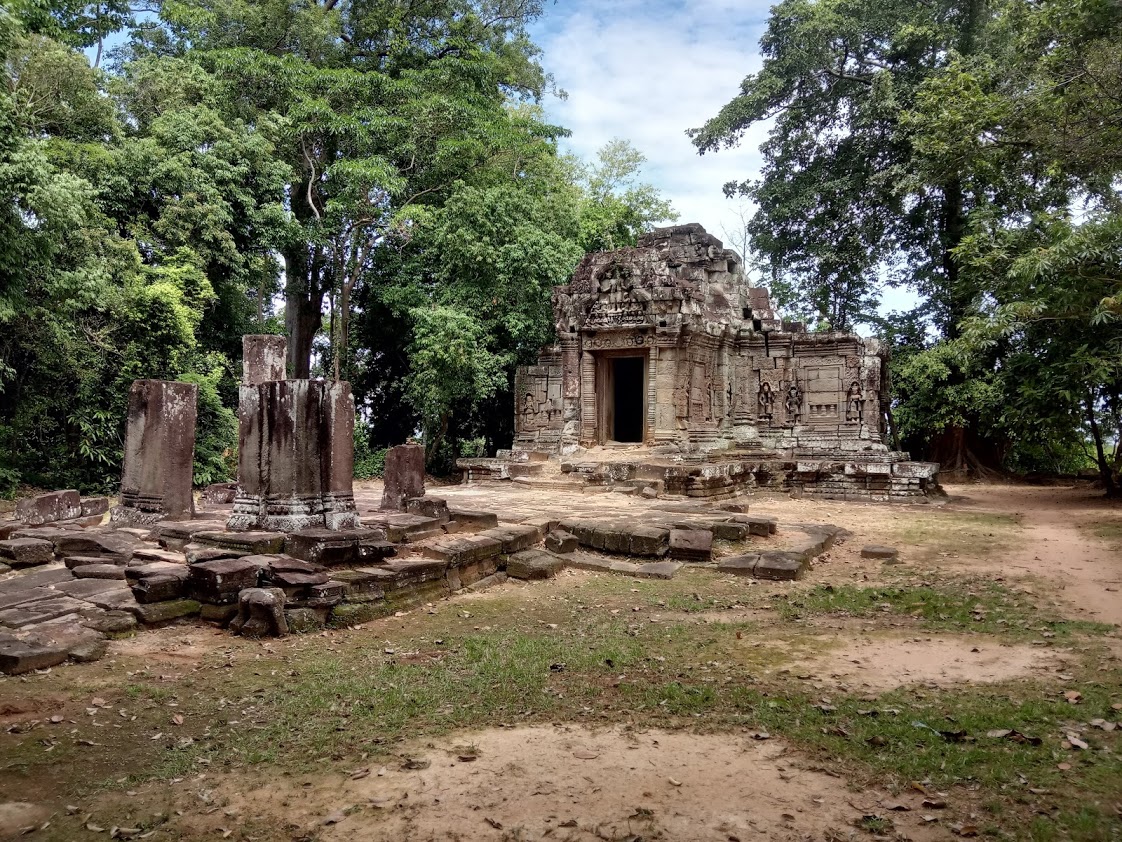
One of the four prasats that sit at each corner of Angkor Thoms outer wall, this one is located on the northwest corner. You can walk to the site along the top of Angkor Thoms outer wall starting from either Angkor Thom’s north or west gate. The trail is suitable for walking and on foot … Read more
Prasat Chrung (SW)
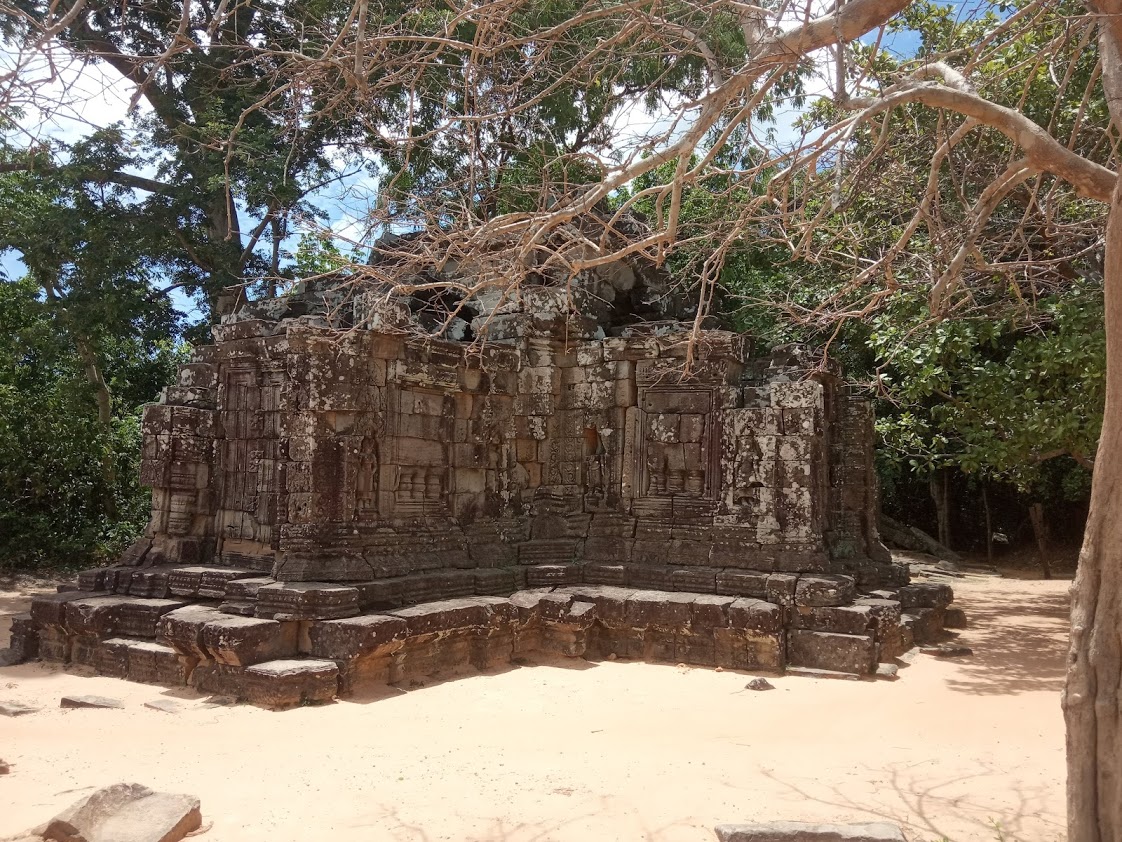
One of the four prasats that sit at each corner of Angkor Thoms outer wall. This one is located on the southwest corner. This is the perhaps most beautiful of all of the “prasat chrungs” and can be a popular spot mostly only known to locals. It offers beautiful views over the moat and a … Read more
Tao Temple (Sambor Prei Kuk C)
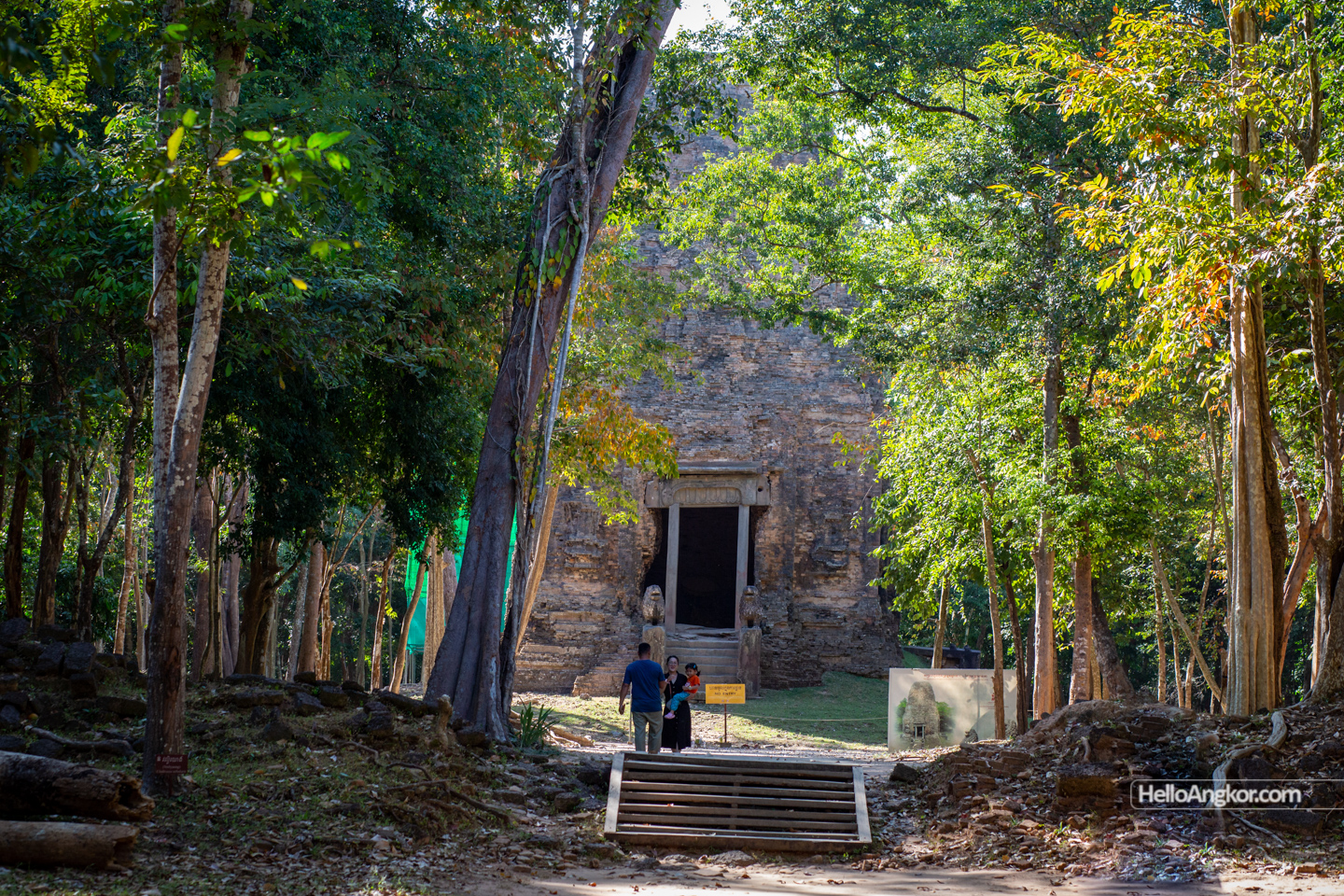
Prasat Tao is the central sanctuary of Sambor Prei Kuk, and the main temple of the C group. The central shrine is a stunning monumental brick tower, believed to date back to the 7-8th century, and is renowned for its beautiful lions that adorn its entrance steps. The lions here are believed to be the … Read more
Ta Nhean Khang Lech Temple
Also recorded as Ta Nhean West. It is the partially standing remains of a brick temple located on the mountainside around 85 m to the north/northwest of Ta Nhean East.
Wat Samrong
Contemporary monastery and pagoda where two ancient temples sites and remnants were discovered including an inscription from the 8th century registered under K. 29.