Ta An Temple
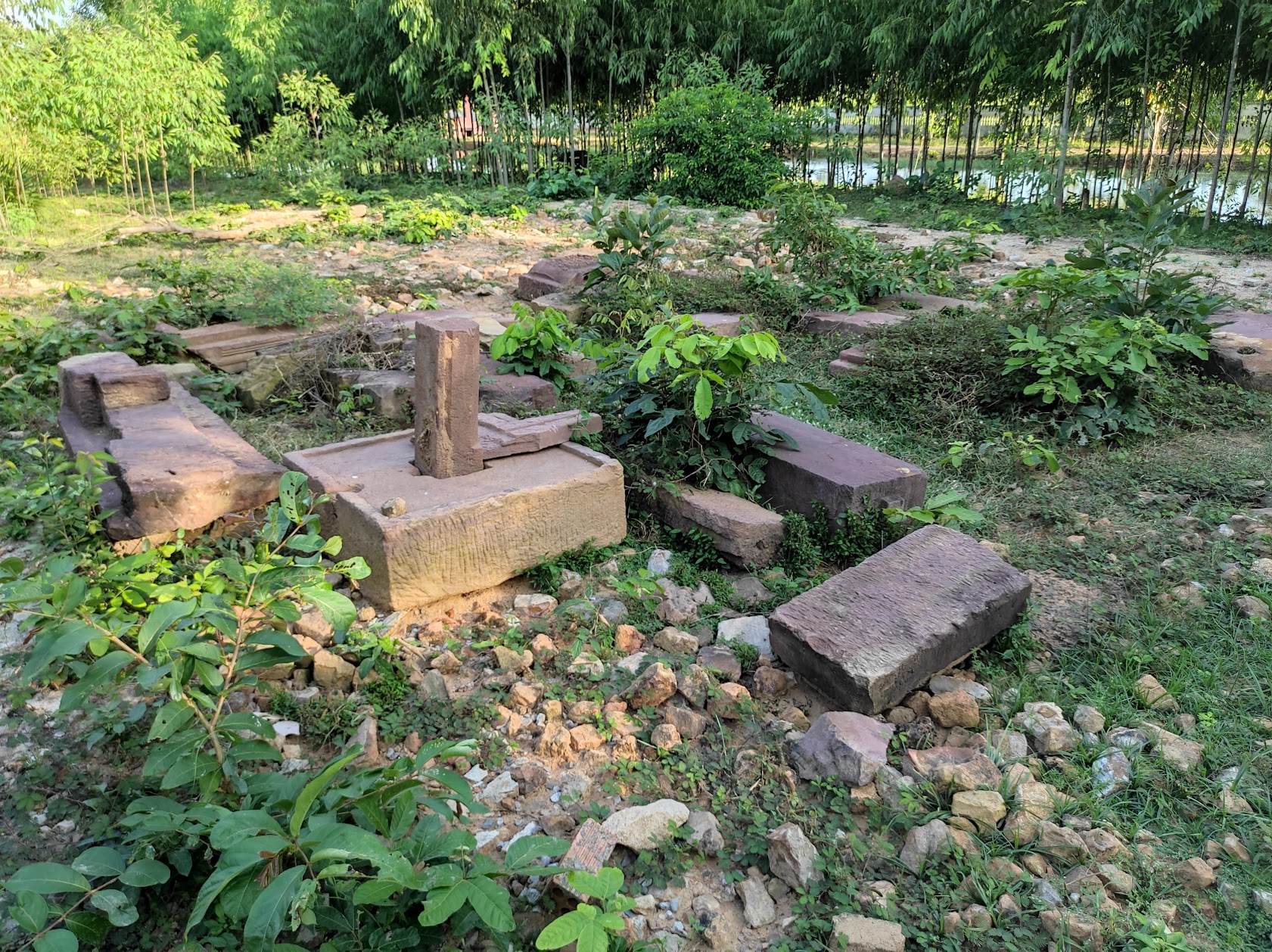
A modern monastery to the east of which are scant remains of an ancient site that was once three temples with a gopura (?) and moat. Inscriptions were recorded and registered under K. 240 and K. 241.

This map features sites where inscriptions have been noted. This listing is based upon: 1966, Coedes, Inscriptions du Cambodge, Volume 8 & 2017, Soutif, Esteve, CIK (Corpus des Inscriptions Khmeres), with some contemporary additions. Note: it does not include all the inscriptions discovered or released since that date.
A modern monastery to the east of which are scant remains of an ancient site that was once three temples with a gopura (?) and moat. Inscriptions were recorded and registered under K. 240 and K. 241.
Scattered remains of a brick temple. Site where statues, lintel, column, and bollard were found and removed and registered under K. 250.
Scattered brick and sandstone pieces. Site where sculptures and inscription K. 238 was found.
A mound with sandstone remnants that was once a group of four brick temples with moat.
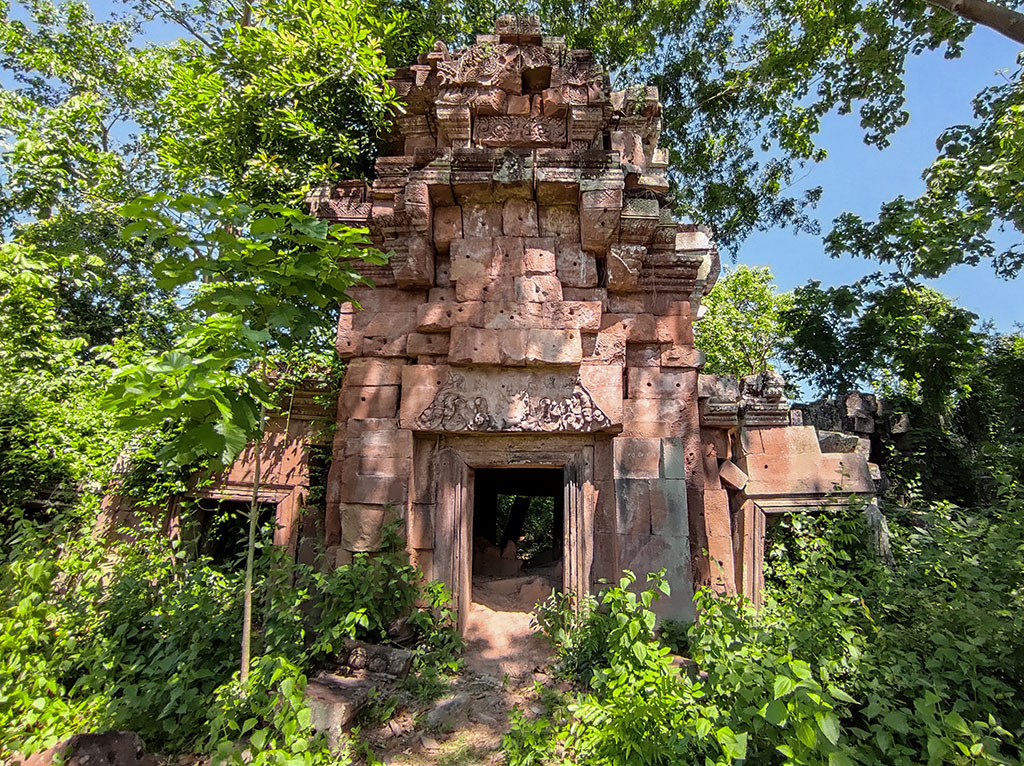
Also known as Kol Temple, Prasat Kdei Ta Kom Thom is a fascinating and extremely ruinous site that from even a quick glance, one can tell that this would have been perhaps one of the most beautiful sites in Angkor, alongside the ranks of Banteay Srei albeit much smaller. It’s recorded as dating to the … Read more
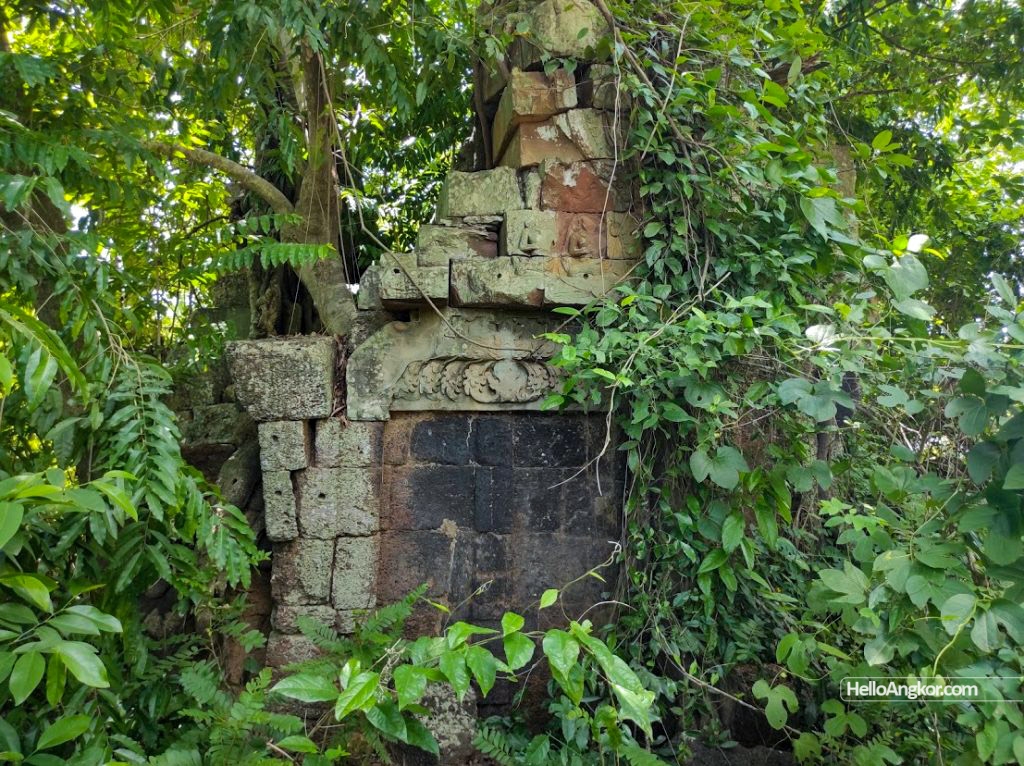
Also known as Rong Damrei Temple and Prasat Ta Kam, it is located to the east of Prasat Kdei Ta Kom Thom (or Kol Temple). It features the partially standing remains of a laterite temple that had an annex building (library) and outer wall with a large basin in the east. It is noted that … Read more

The site features scant remains today. It is where the French would discover and record an inscribed stele whose whereabouts is today unknown. Historical Notes Translated from French, Inventaire Descriptif Monuments du Cambodge, E. Lajonquiere, 1901 703. Prasat Lich (The Sunken Sanctuary). It is located about 300 meters S. E. of the village of Mong. … Read more
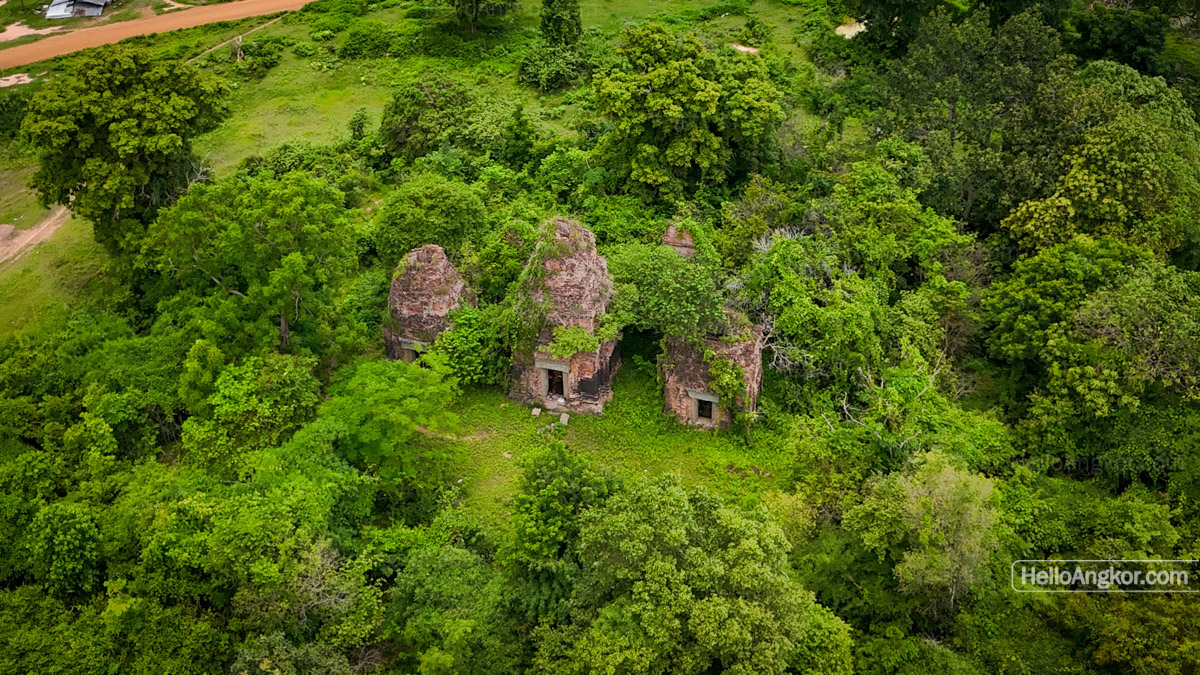
Preah Phnom temple is located in Angkor Chum District of Siem Reap Province, about 65km from Siem Reap city. It is a group of five square brick temples set on a large rise with two annex buildings or ‘libraries’, and moat (dry and partly consumed by farmland), and large basin in the north. Interestingly, from … Read more
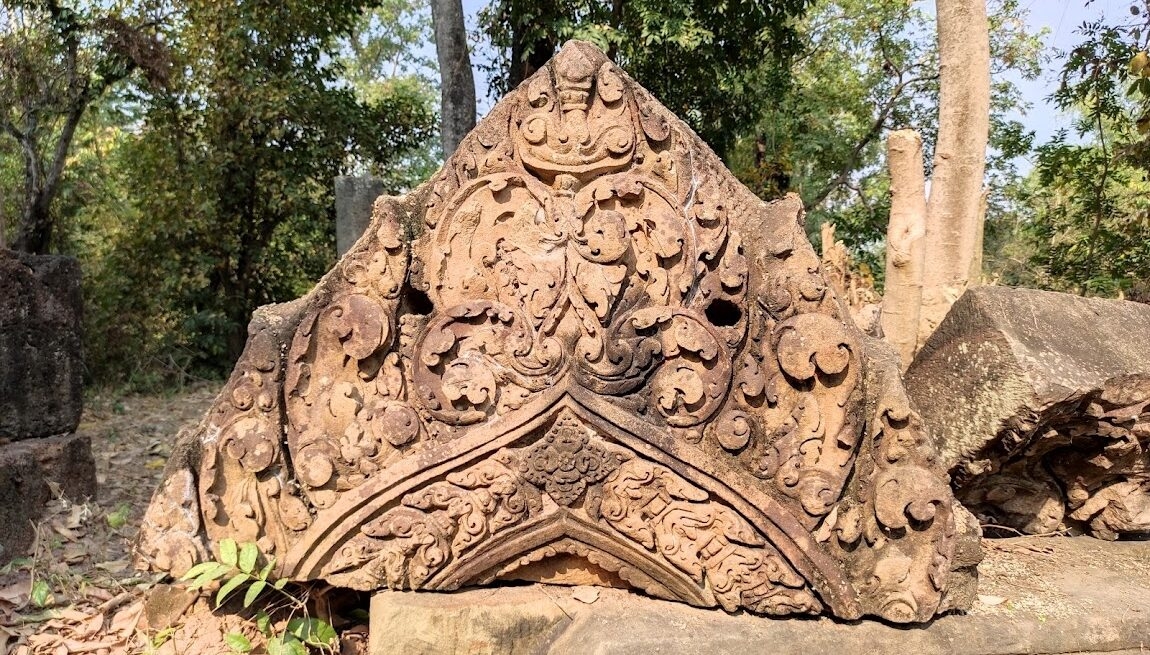
Prasat Preah Khset is located in the beautiful village carrying the same name, Preah Khset, and the site is easy to access but recently become a little overgrown with thorns again (10/2/22). Regardless, it’s a fascinating ancient site. The ruins sprawl far and wide but concentrate beginning with what would have been the entrance gopura. … Read more
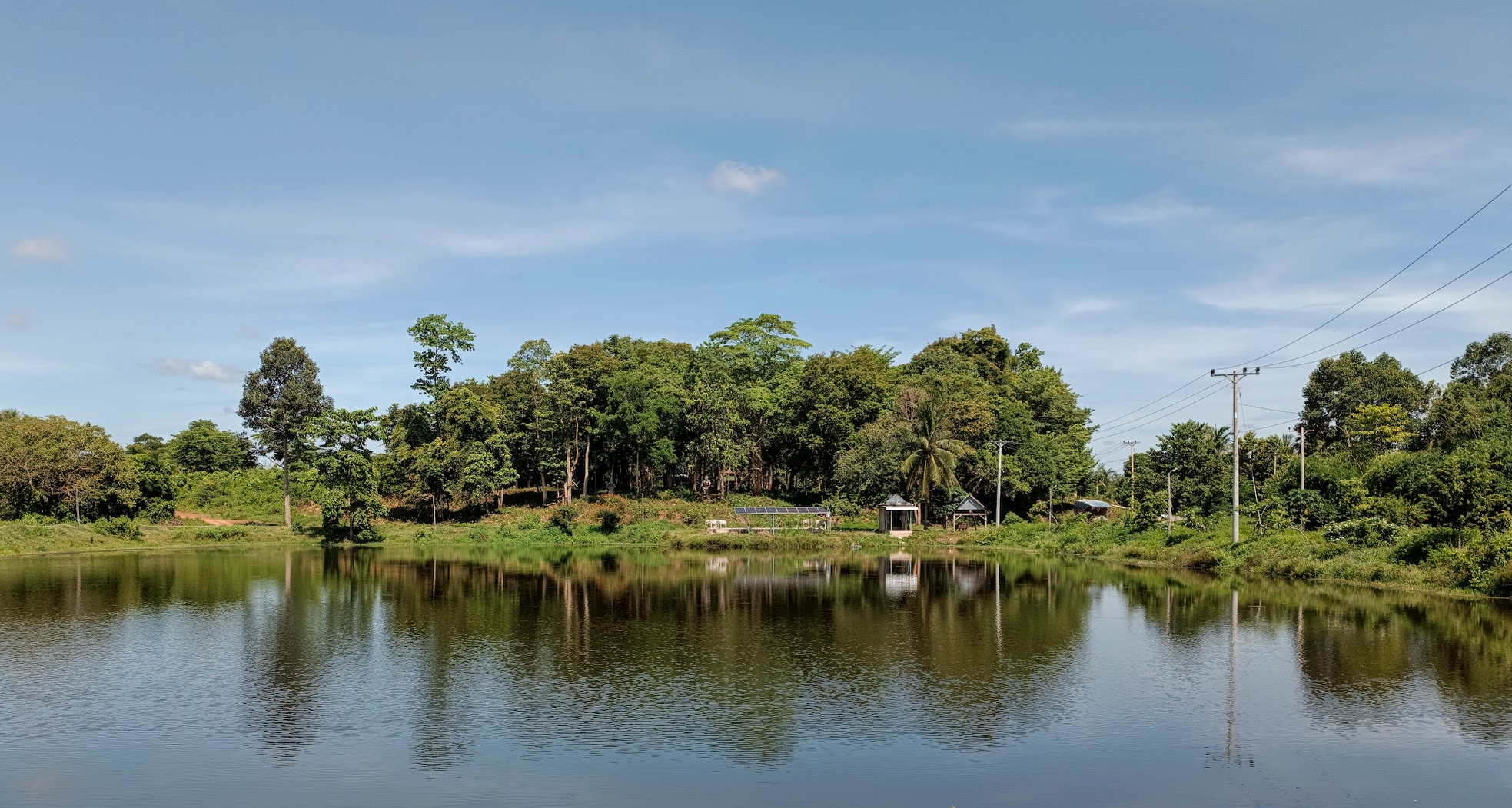
Also recorded under many names inc. Trapeang Phtol and Chankiry Temple, its is the partially standing remains of a large temple site that featured enclosure wall with gopura with a square central shrine. The site is quite interesting, for several reasons including featuring a mixed of brick, sandstone and laterite in its construction and also … Read more
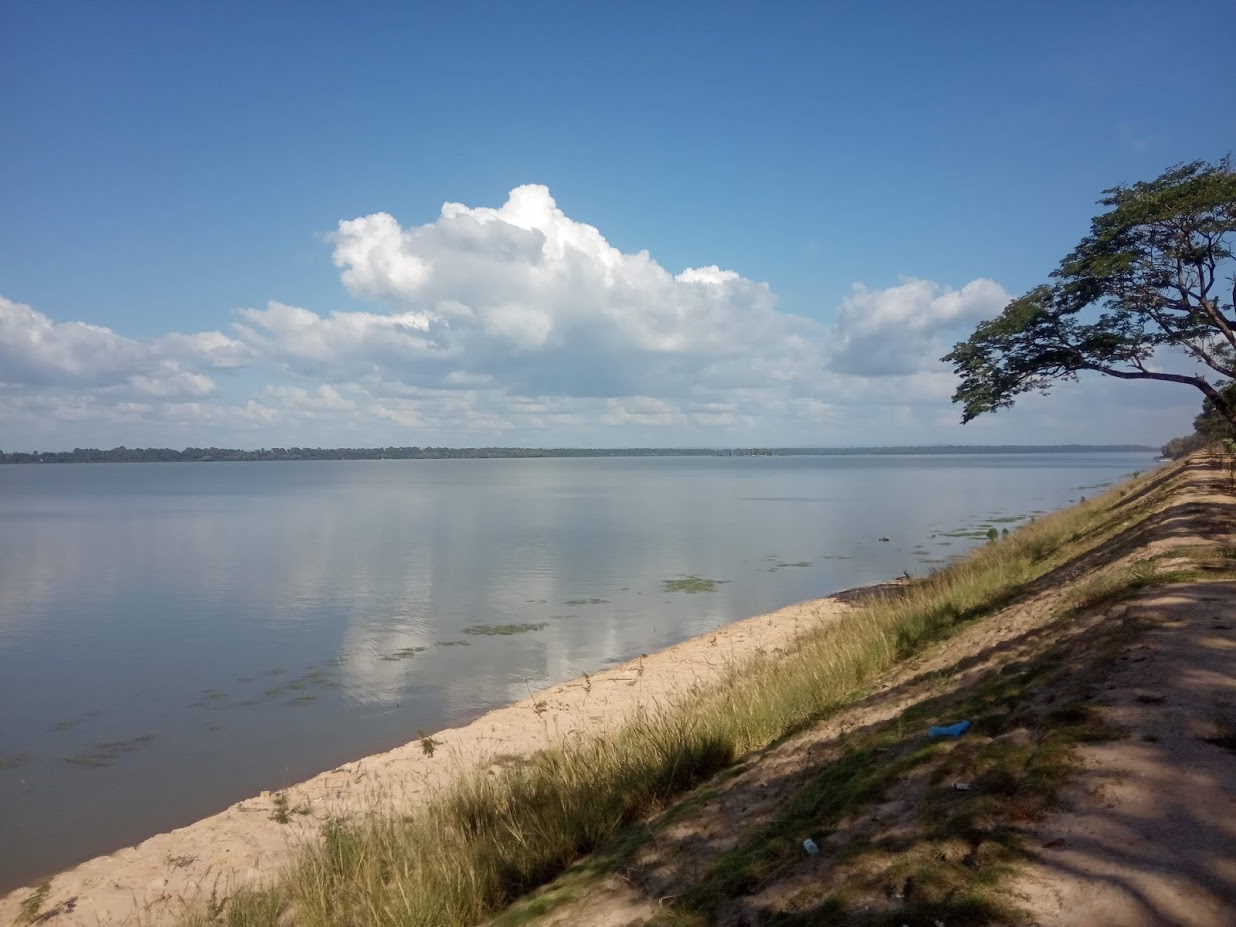
The West Baray (Khmer: បារាយណ៍ខាងលិច) or Baray Teuk Thla “Clear water Baray” (Khmer: បារាយណ៍ទឹកថ្លា) is a baray, or reservoir, at Angkor Archeological Park, oriented east-west and located just west of the walled city Angkor Thom. Rectangular in shape and measuring approximately 7.8 by 2.1 kilometers, the West Baray is the largest baray at Angkor and … Read more
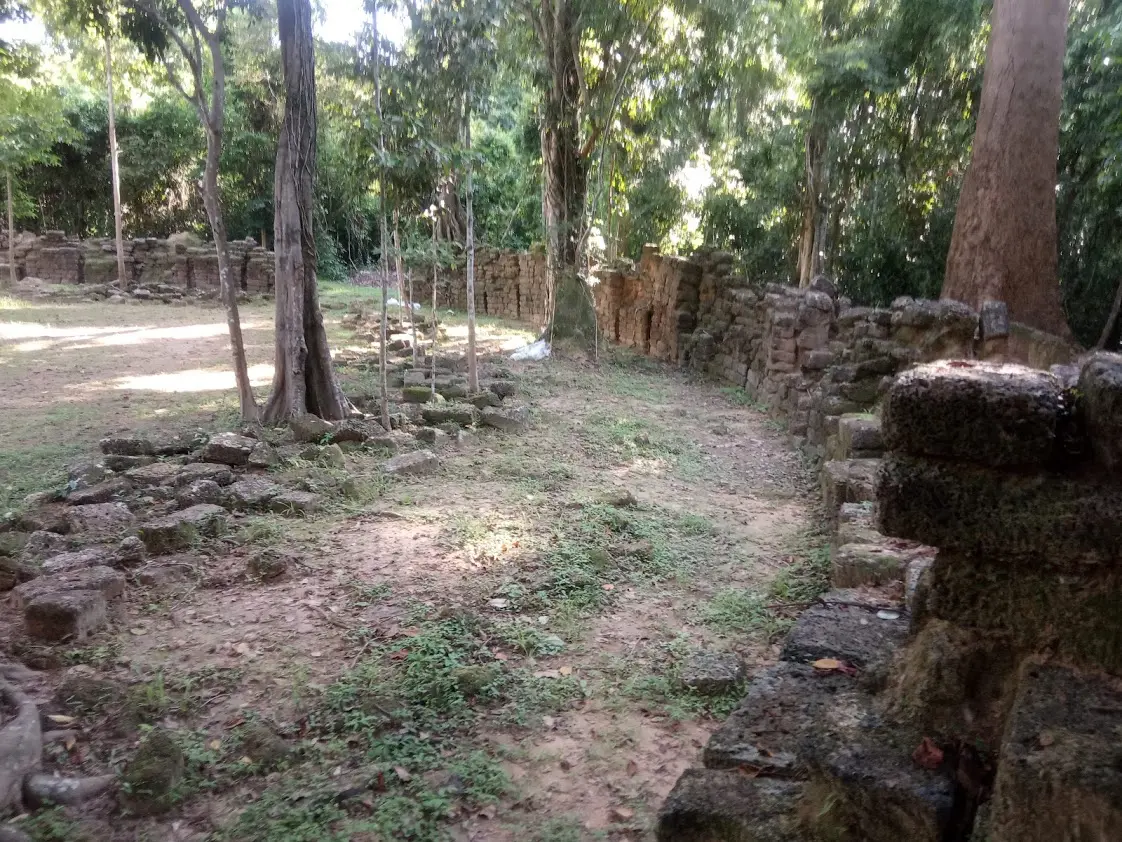
Krol Romeas, or Kraol Romeas, is the mysterious stone circle that is rarely visited by tourists even though it is hidden just off the Grand Circuit ofAngkor Archaeological Park. Believed to have possibly been an elephant pen, elephant bathing area, or maybe even a part of a water hydraulic system. Its original purpose can only … Read more
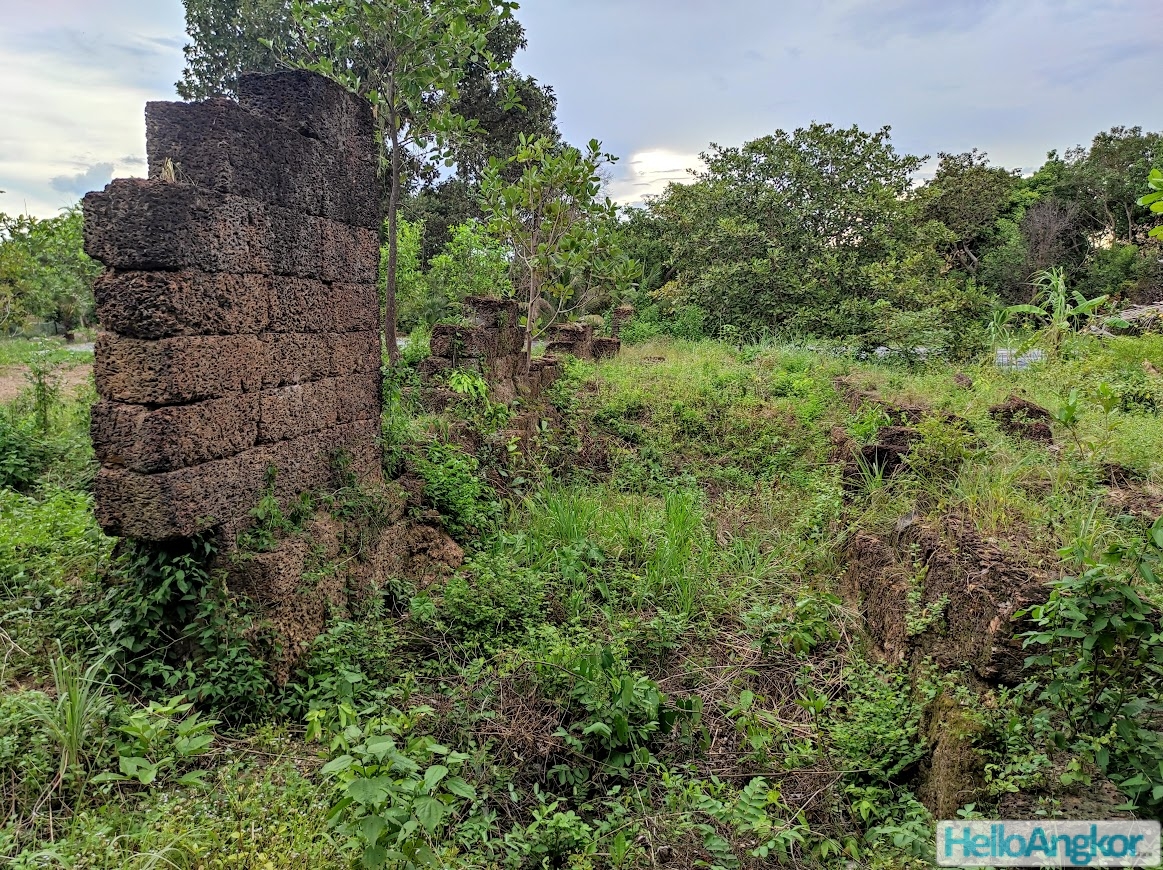
A late 9th-century “Yasodharacrama“, or “Hermitage of Yasovarman”, this one dedicated to Shivaism. During the reign of King Yasovarman, several acrama (asrama, ashram, ashrama) for the study of various religious sects were built. The stele carrying the inscription registered under K.279 was revealed by Aymonier in the 18th c and the laterite structure by Trouve … Read more
Scant remains of a group of temples. Statues and inscriptions were found at the site.
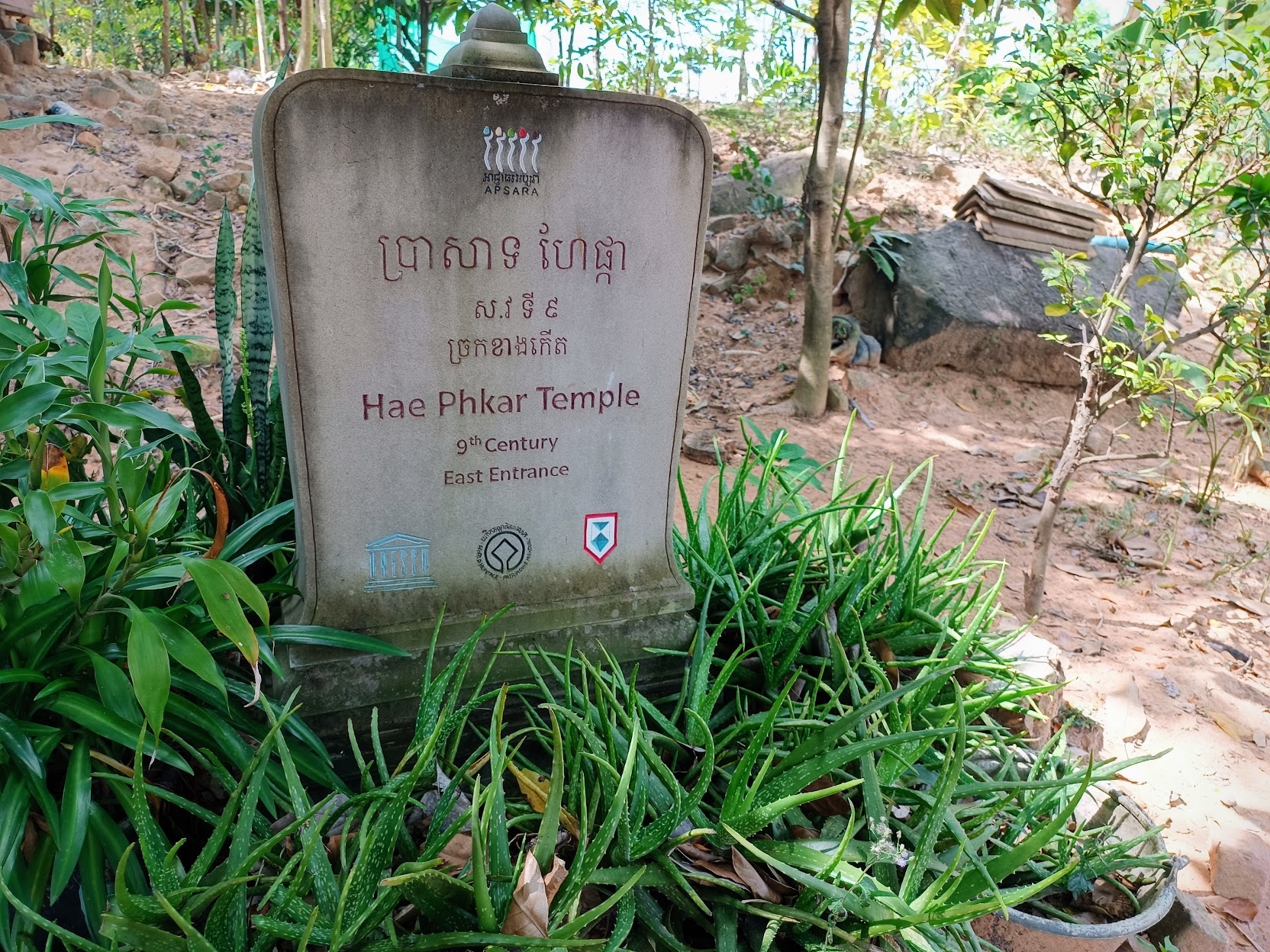
Scant remains of a 9th-century group of three brick temples with a large basin in the north. The site today is still surrounded by its original moat with an entrance on the east to a high-rising mound about 20m per side. The site features several laterite remnants, sandstone fragments, and some bricks can also be … Read more
Site where several interesting statues were found
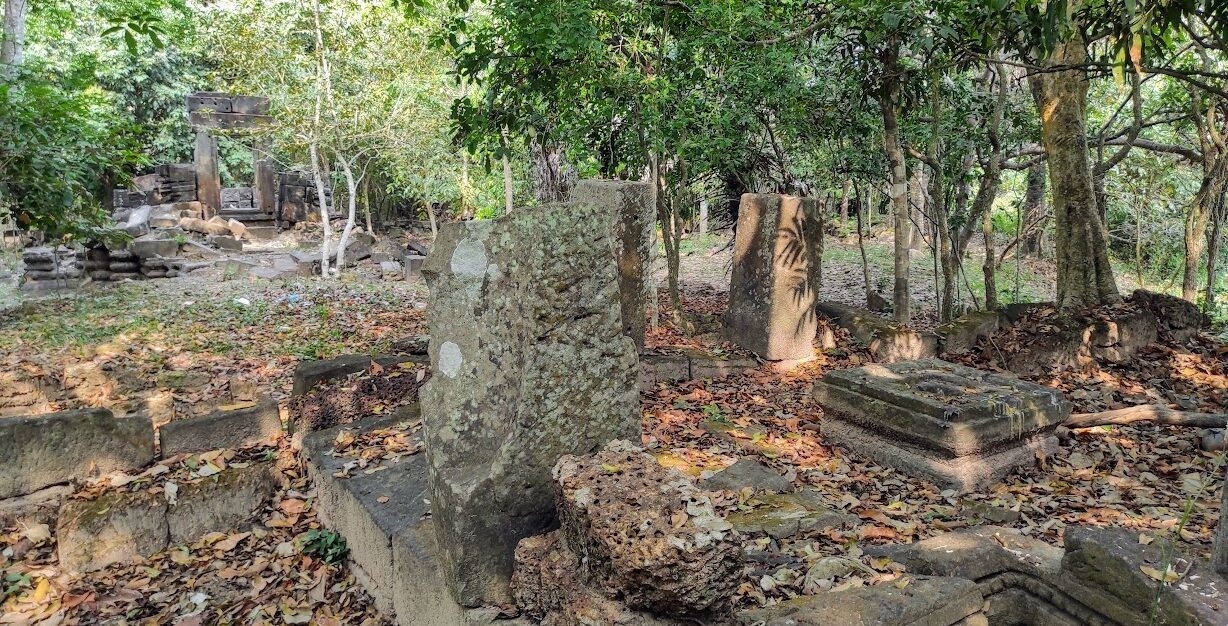
Also known as Ta Muong, a sandstone ‘hospital chapel‘, mostly in ruin but fascinating for its unique patterns and motifs. The single sandstone temple is open to the east with a terrace that extends to what appears to be an entrance gopura yet there is no sign of wall remains. A basin exists in the … Read more
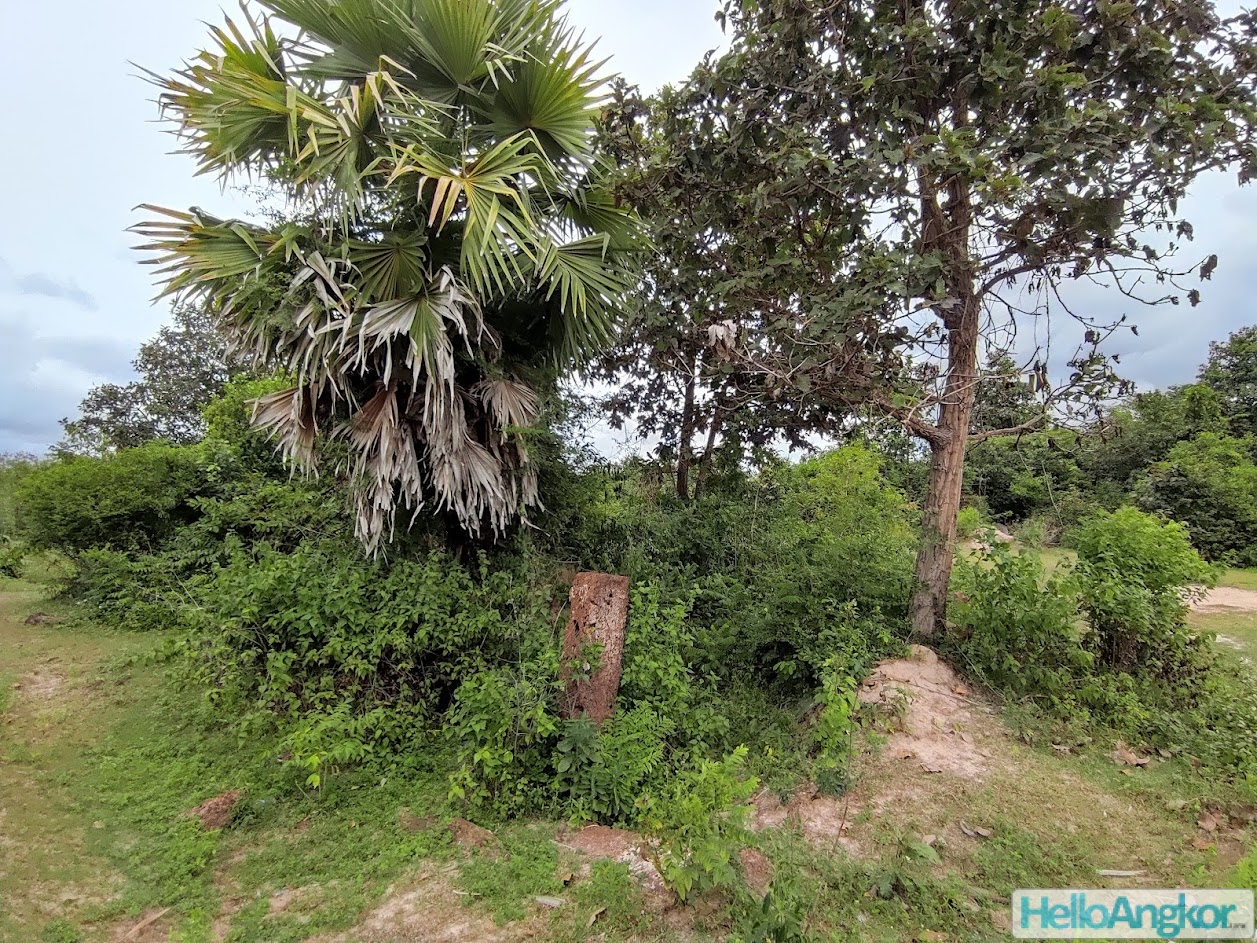
Remnants of a Stele Shelter with inscription registered under K 701. The inscription notes the regulations for the Vishnuite Acrama that was located here. The site underwent excavations in 2016 and 2017 by the Yaçodharâçrama Research Programme which revealed linear base structures of the related buildings. Today, to the casual wanderer, all that is seen … Read more
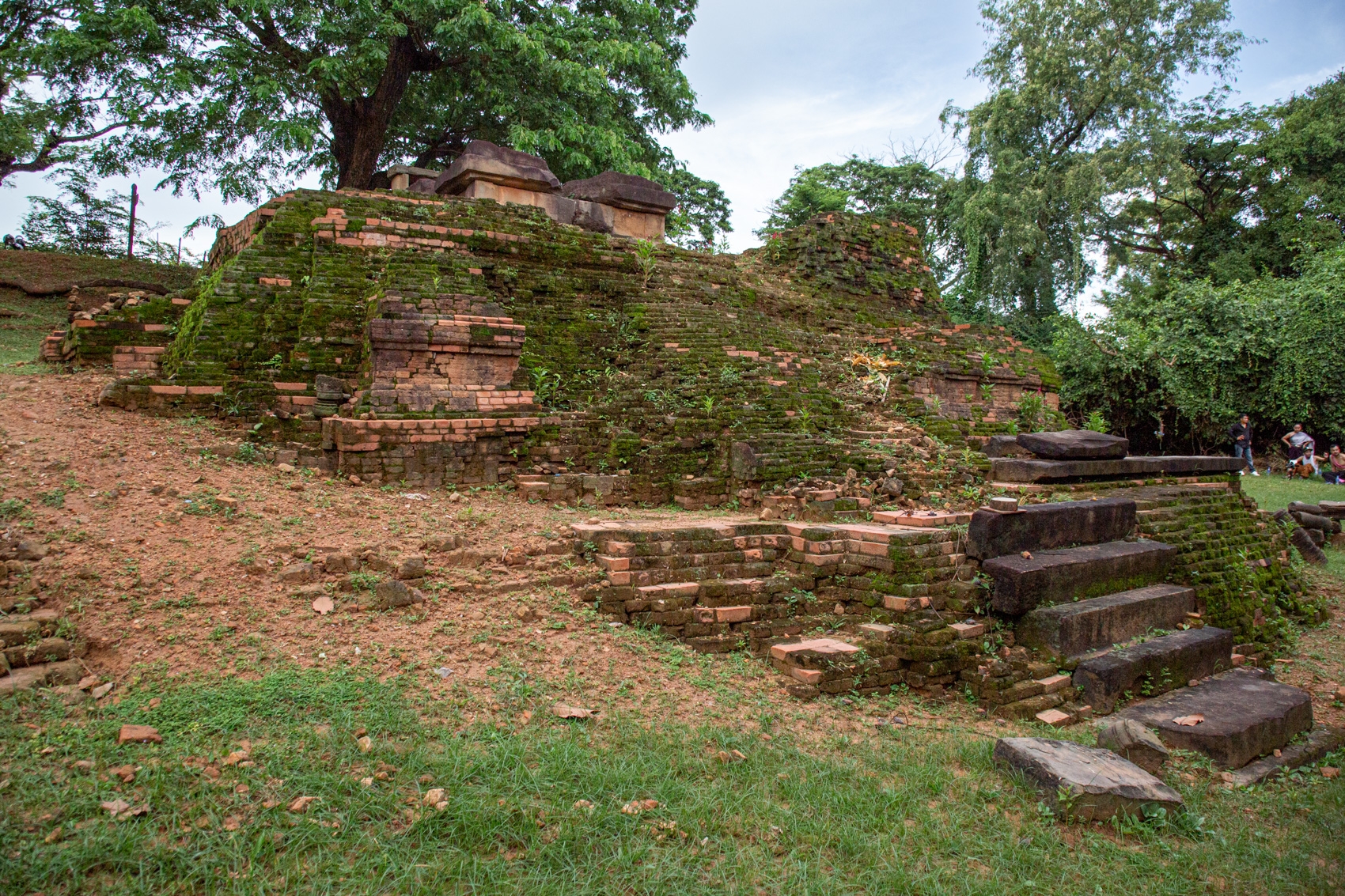
Ak Yum (Khmer: ប្រាសាទអកយំ), also referred to as Ak Yom, is an ancient brick temple located near the West Baray in the Angkor Archeological Park. It is one of the oldest temples in the region and was also believed to have sat at the center of a larger urban area. It predates the Angkorian era, … Read more
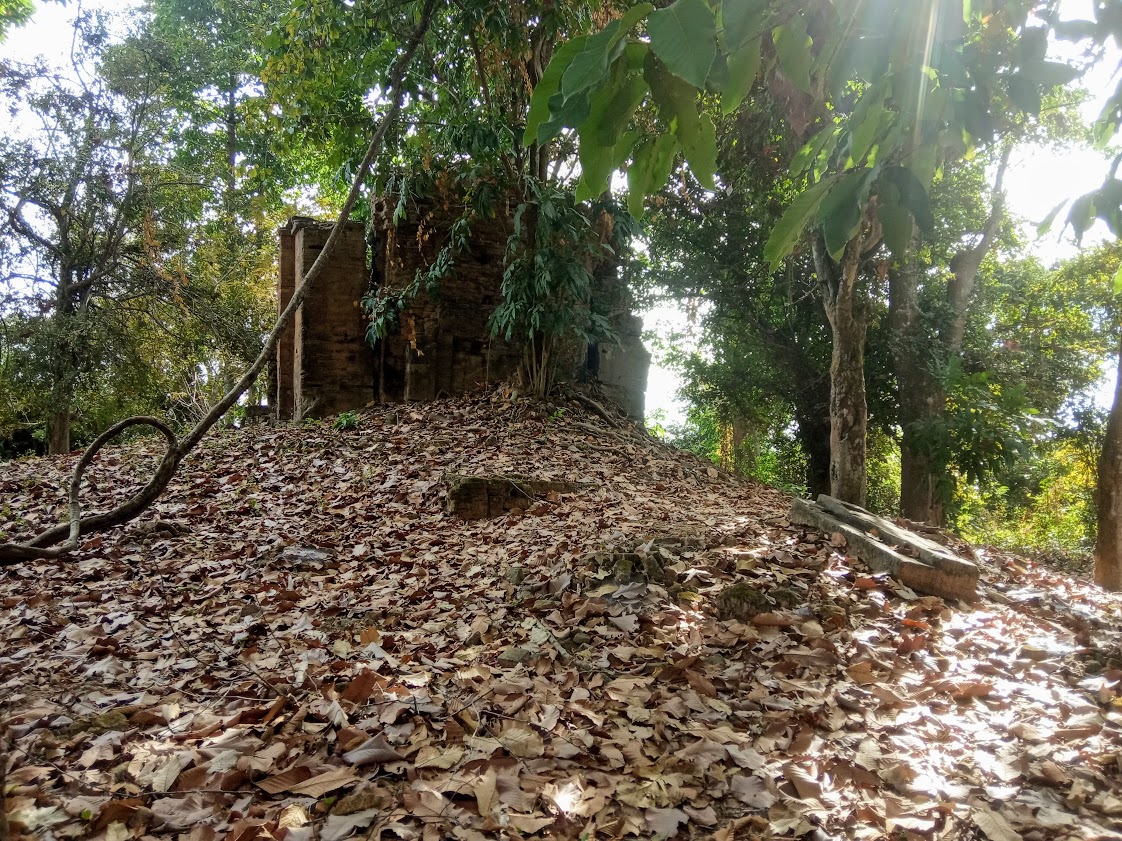
Prasat Kok Pongro (Khmer: ប្រាសាទគោកពង្), or Kouk Pongro temple, is located north of Angkor Thom in Siem Reap. It is believed to date to the 9-10th century during the reign of King Yasovarman who reigned in 889–910 AD. It is a small site with three prasats, two mostly fallen and one completely. It is a brick … Read more
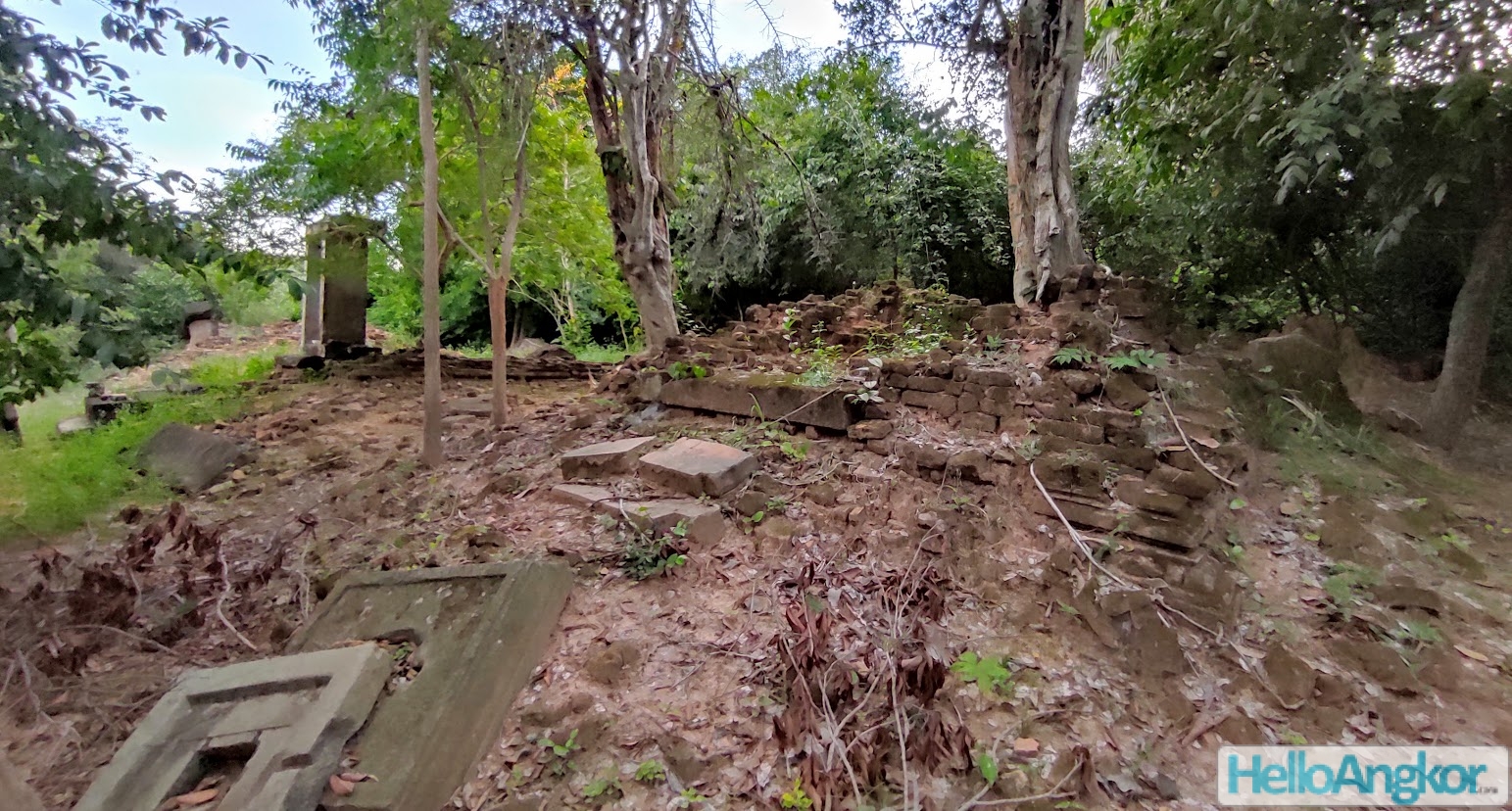
Also known as Prasat Ov Laok, located east of Siem Reap and just west of Bakong and Preah Ko. A group of four temples, all in ruin, three of which were constructed of brick with sandstone door frames and one constructed in laterite, and all sharing a common base. Two inscriptions are registered here, K.807 … Read more

Ruins of a brick temple with a laterite base that had an outer wall and entry pavilion. Only the temple base is standing plus one side of the door frame on which an inscription can be seen and has been recorded under K.750. It is also made of red sandstone and several red sandstone pieces … Read more
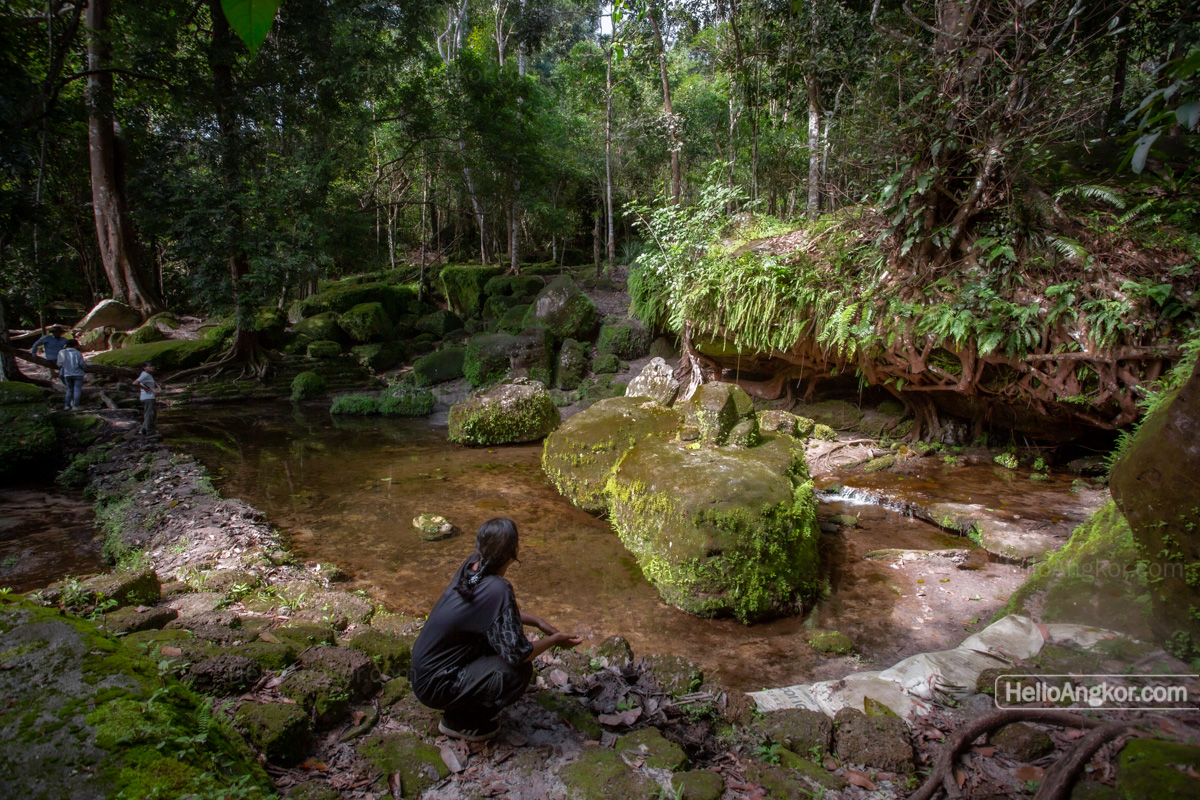
Located atop Phnom Kulen, it’s also known as Poeng Maha Eisei, or Pueng Aysey/Ey Sey along with other variants. Naming aside, it’s a small but incredibly scenic and atmospheric spot featuring rock carvings, ponds, and a small cell carved into a large rock with an opening that is framed and flanked by two deity carvings. … Read more

An ancient site that was once something a little unique within the context of the Khmer Empire, while the site is no longer standing and heavily overgrown, it’s thankfully preserved. Early French notes report the remains of an “unprecedented vestige” built of brick on a laterite foundation. They recorded it as measuring 8 m in … Read more
A mound with a sandstone doorway, brick remnants, small basin in the northeast. Several inscriptions, statues, and lintel were found here. Note there are many temples sharing this name see Trapeang Run

Located around 8km southwest of Beng Mealea, in Siem Reap province, it is an ancient temple complex also known as Prasat Sek Ta Tuy, Prasat Trapeang Thnal, while most locals will know it as Prasat Wat Prasat albeit there is no monastery. It’s an extraordinary site, at least in my mind, exhibiting precise craftsmanship and … Read more
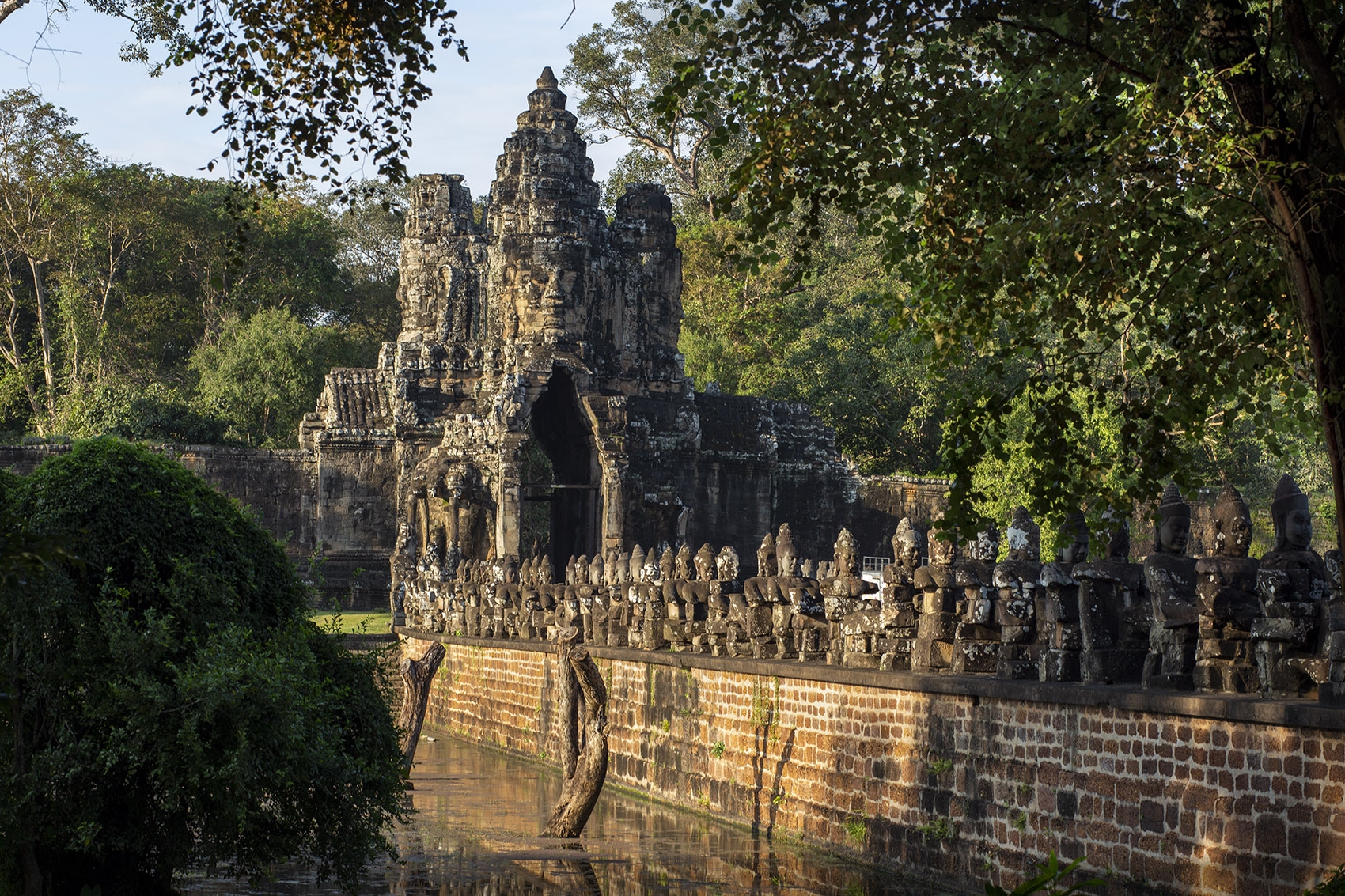
The south gate of Angkor Thom is a very famous spot within Angkor Archeological Park and one that shouldn’t be missed. Standing on the causeway, and admiring the sheer scale, as you find yourself drifting back in time to imagine how it must have felt to approach this spectacular city in its heydey is quite … Read more
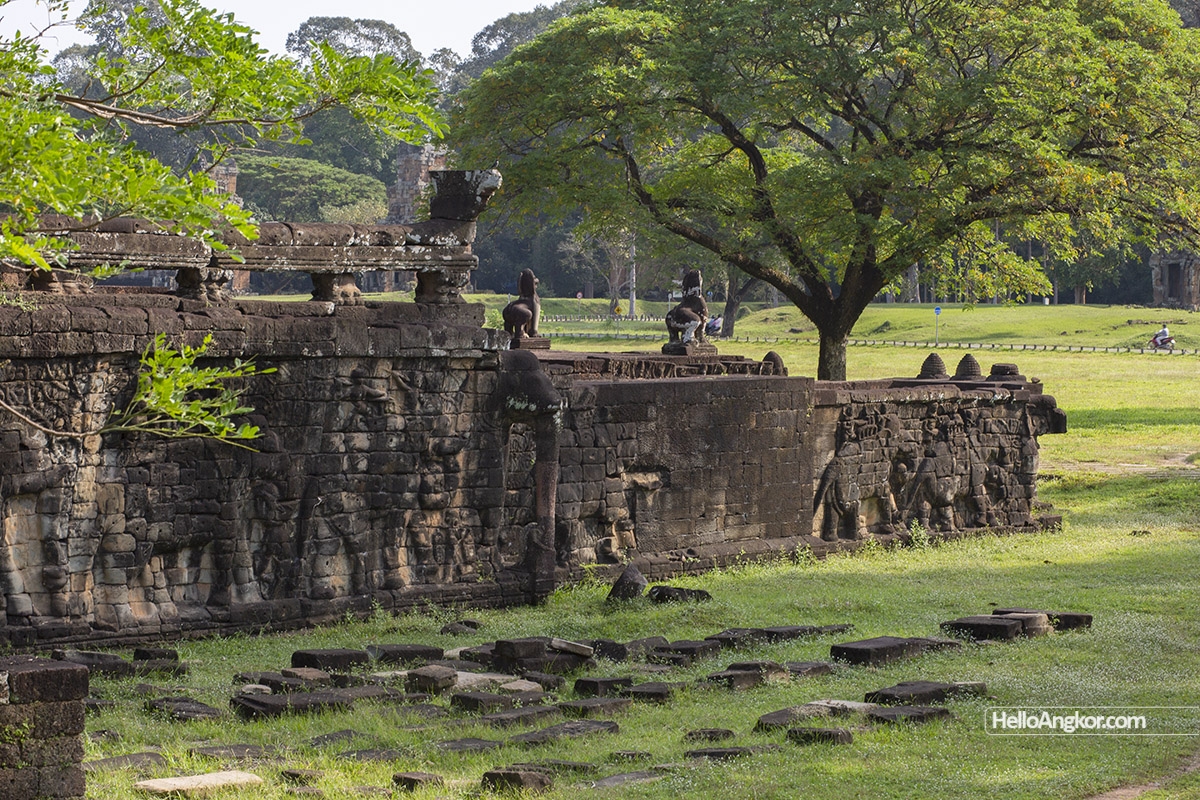
The Terrace of the Elephants (Khmer: ព្រះលានជល់ដំរី) is one of the many iconic constructions of the Khmer Empire and a key highlight within the walled city of Angkor Thom. The long terrace, also known in some records as the Terrace of Honor, fronts the Royal Palace and has an entrance that once joined a causeway … Read more

Kapilapura is located northeast of Angkor Wat and you can reach the site by foot or bike by following the dirt trail around the north side of the outer moat towards the northeast corner where you’ll notice a trail heading north following that for just a minute or two. The site included a brick temple … Read more
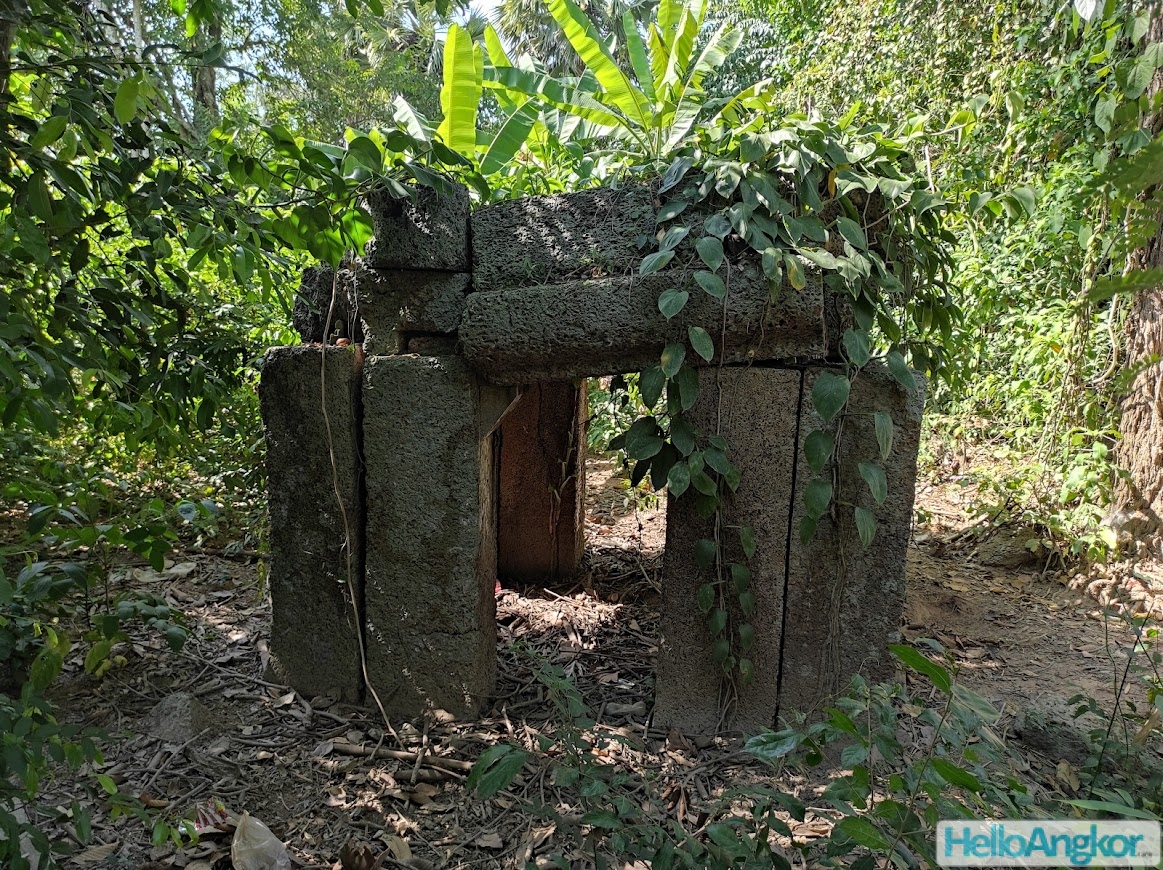
A late 9th-century “Yasodharacrama”, or “Hermitage of Yashovarman”, this one dedicated to Buddhism. During the reign of King Yasovarman (889 – 910 AD) it was recorded that one hundred acrama (asrama, ashram, ashrama) were built for the study of various religious sects and other functions. What remains standing to be seen today at the Ong … Read more