Spean Khmeng
Ancient laterite bridge

Ancient laterite bridge

Also known as Prasat O Chheu Teal Thom or Prasat O ChoTal Thom. It is a large sandstone temple located on the western side of Preah Khan (of Kampong Svay). Its layout is somewhat unique. It featured an outer laterite wall with an east and west gopura, enclosing a cruciform central shrine that had a … Read more

Prohm Kel Temple is located in Cheung Tien Village of Oddar Meanchey Province, approximately 35 km from Samrong City and about 700 meters north of the largest ancient bridge in Cambodia, Spean Toap. The temple was listed in French research documents more than a hundred years ago. Prohm Kel Temple was built on flat land … Read more

A small permanent basin 20 m x 20 m and 1-2 m deep (at a guess) lined with laterite and sandstone capping. Interestingly it is located atop what could be inferred as an island surrounded by canalisation. There are also odd pieces of stone around the southern side and 50 m to the southeast is … Read more

An uncleared site featuring remains of a terrace (or two?). Believed to be a Buddhist Terrace. Only scant remains can be seen among the overgrowth including sema stones, a structure base, and other laterite and sandstone blocks (03/2021). Gallery Around 95 m to the southwest further remains of laterite and sandstone

A ruinous and uncleared site that is believed to be a “Buddhist Terrace”. Brickwork, laterite, and sandstone can be seen along with remnants of a stone garuda and sandstone pedestals. It is located in the forested area of Angkor Thom, north of the South Gate and east of the South Gate road. In the early … Read more

An uncleared and partially excavated site, now overgrown, where several pedestals can be seen, some molded sandstone plinths, and sema stone featuring the god Yama (God of Death/Justice and the Underworld). While the site as we see it today is believed to be the remnants of a Buddhist Terrace of the late or post-Angkor period, … Read more

An uncleared site that has been partially excavated. A sema stone can be seen and a sandstone pedestal atop a raised mound.

An overgrown and uncleared site (05/2021) that is believed to be a “Buddhist Terrace”. At the site several sandstone plinths can be seen, sema stones, pedestal, and a long raised laterite and brick structure (uncleared) that features a square 1-2 m stepped structure at its western end. Gallery Contemporary Research In research conducted under the … Read more

A ruinous, overgrown, and uncleared site that is believed to be a “Buddhist Terrace”. The only remains to be seen at ground level are that of a sandstone pedestal and several sandstone plinths. Gallery

A small “Buddhist Terrace” that has been recently reconstructed featuring a modern Buddha statue. Surrounded by the double sema stones of the original site. Gallery

A small “Buddhist Terrace” currently unrestored and constructed of brick and laterite, and surrounded by double sema stones. It appears to be around 20 m long with the demarcated area a little larger, while the central “shrine” is only a meter or so square and a meter and a half tall albeit in a state … Read more

An uncleared and overgrown site (05/2021) that is around 20 m x 20 m and surrounded by a moat (dry). Partial excavations at some time in the past have revealed the small laterite base structure and several sandstone pieces including a decayed pedestal and decayed yoni with spout along with brick rubble. Gallery

An uncleared site with a mound measuring around 35 x 35 m surrounded by a moat (dry) with a causeway at each cardinal point. The mound is currently (05/2021) occupied mostly by a large fallen tree without any structure seen remaining. Broken brick and sandstone can be seen along with a small piece of a … Read more
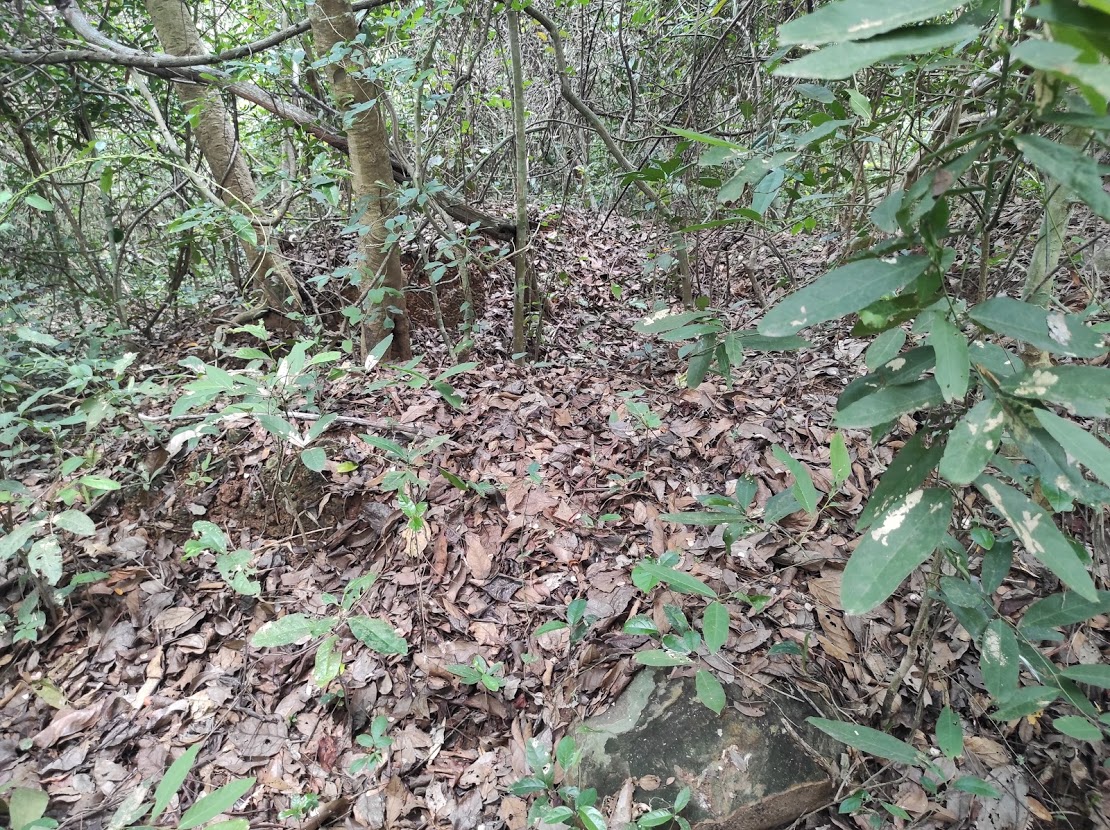
A high-set mound that appears to be surrounded by a moat. Only scant remains of brick and sandstone can be seen at the surface level. Gallery
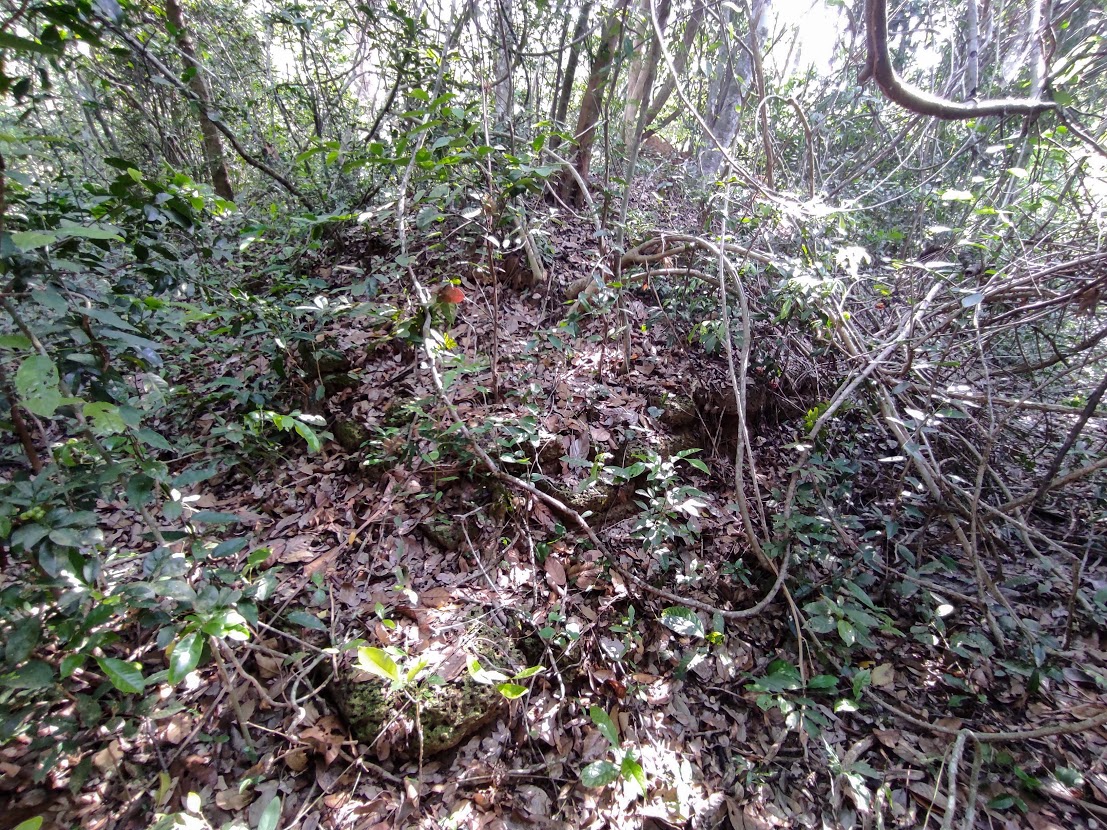
Remains of a shrine constructed from stepped laterite. Measuring around 20 m x 20 m with openings at each cardinal point that lead to what we can see today as a circular well feature at the center. Gallery
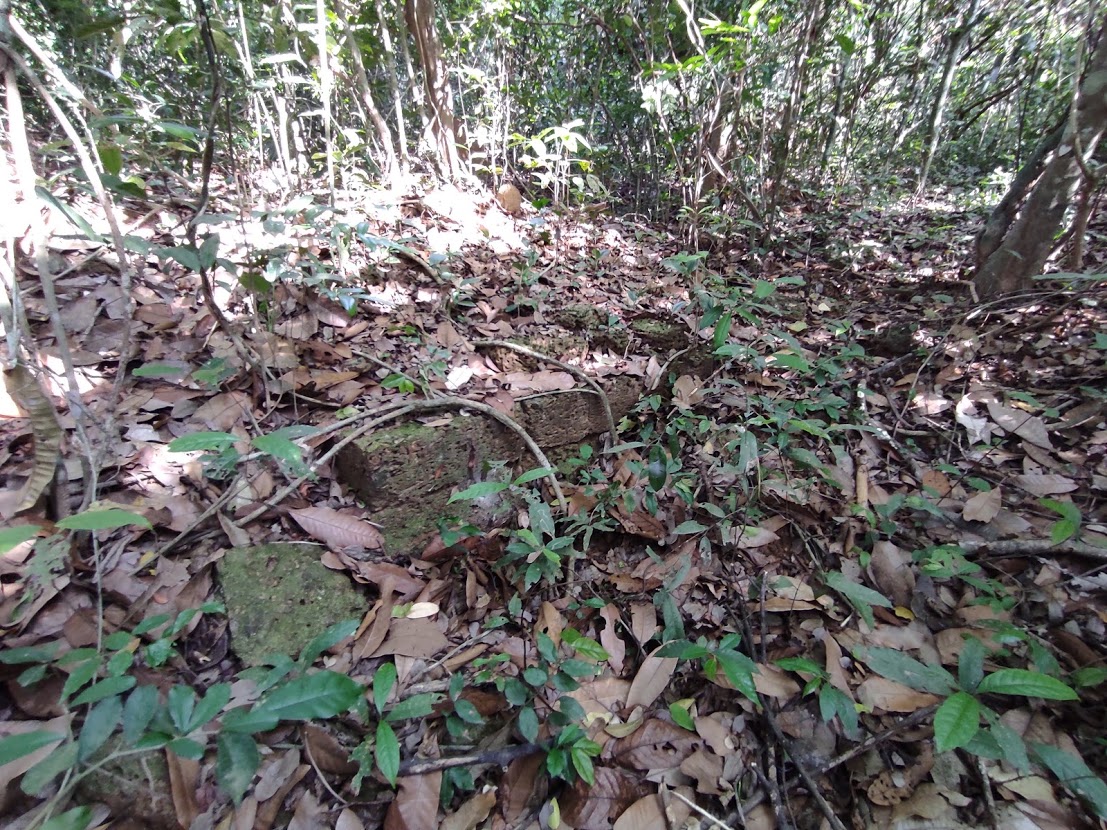
Remains of a laterite structure. Likely related to the southern entry of Phnom Bakheng and its outer wall.
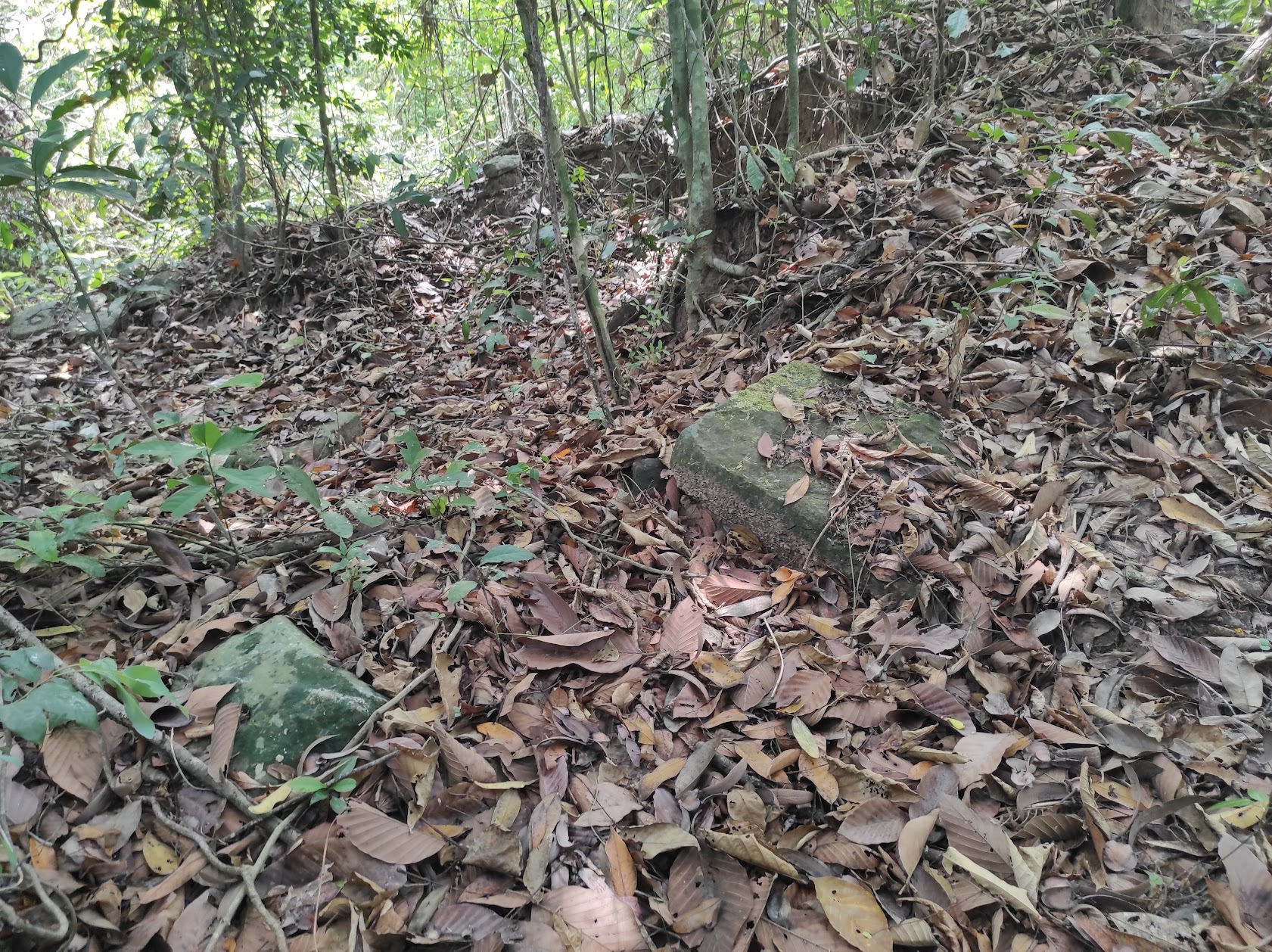
An overgrown and uncleared site featuring a 50 x 50 m mound that rises several meters with scattered sandstone remains, and an excavated area (some time ago) showing what may be the temple construction. Some remains feature carvings albeit quite small and very decayed. Gallery
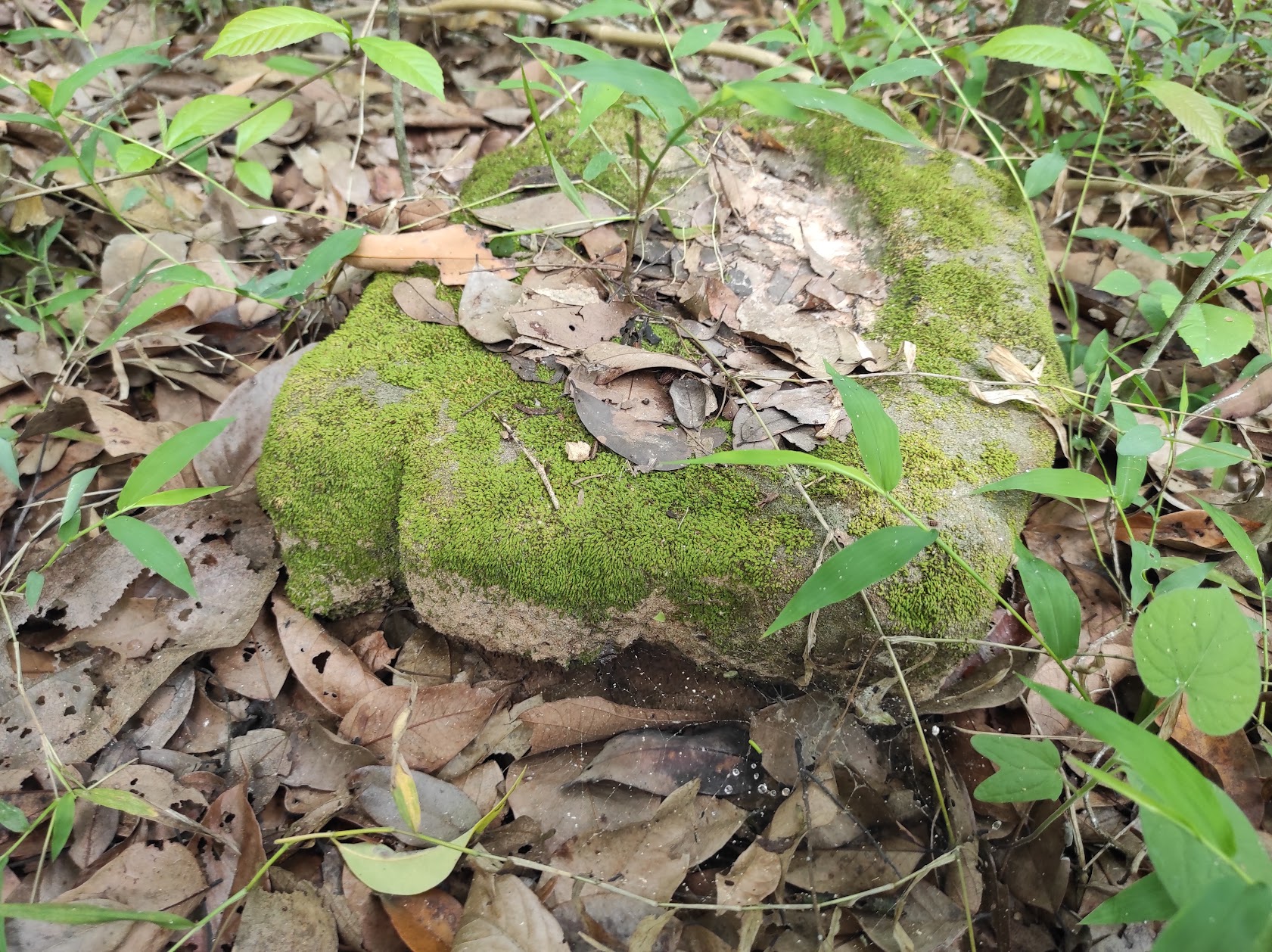
A high set 50 x 50 m mound that opens to the east and surrounded by a moat. Scant remains can be seen at ground level bar what appears to be a very eroded pedestal and sandstone plinths. It is speculated to be from the 9th century. Gallery
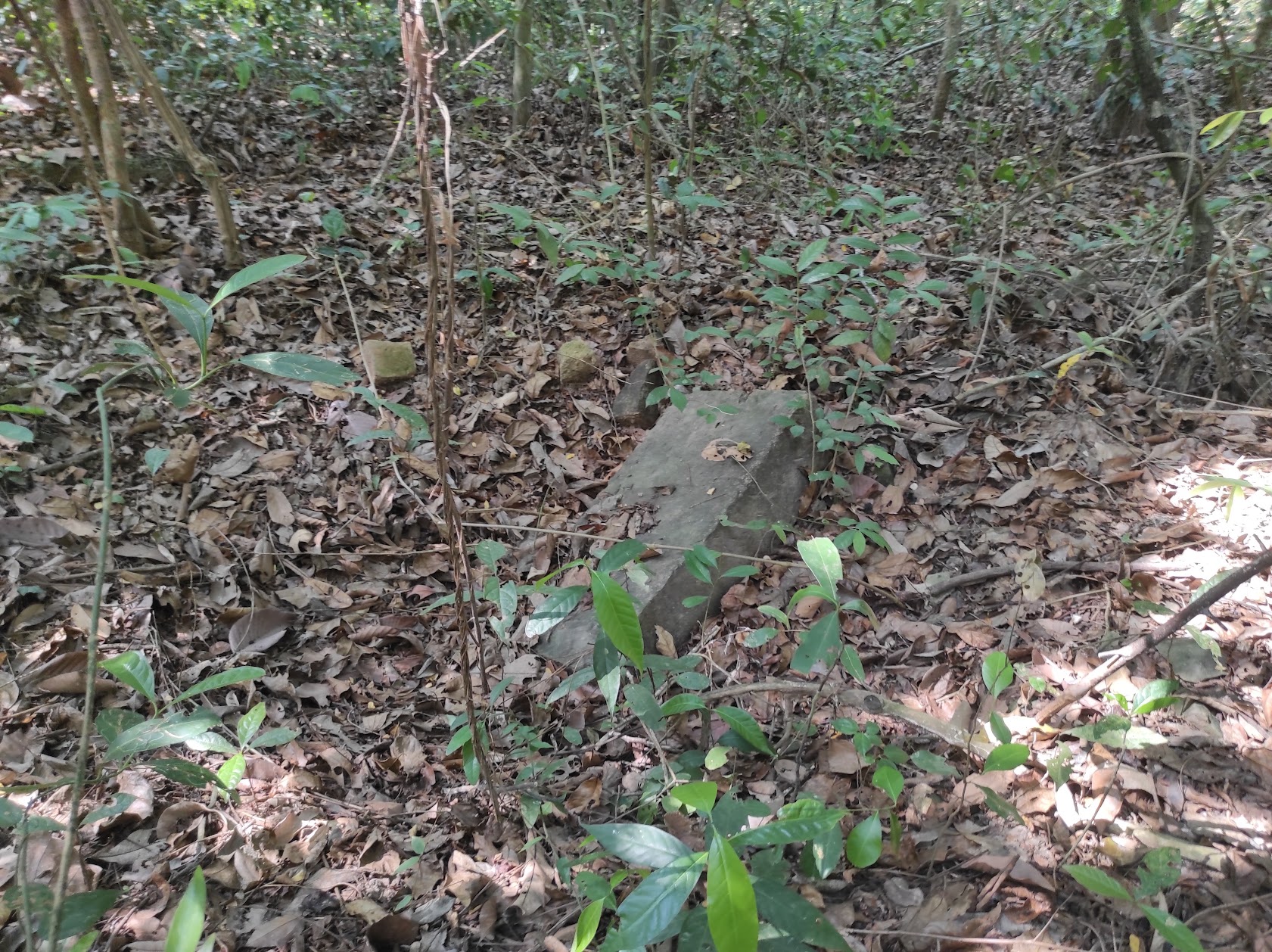
An overgrown site with scant remains including brick pieces, sandstone plinths, and laterite blocks. Gallery
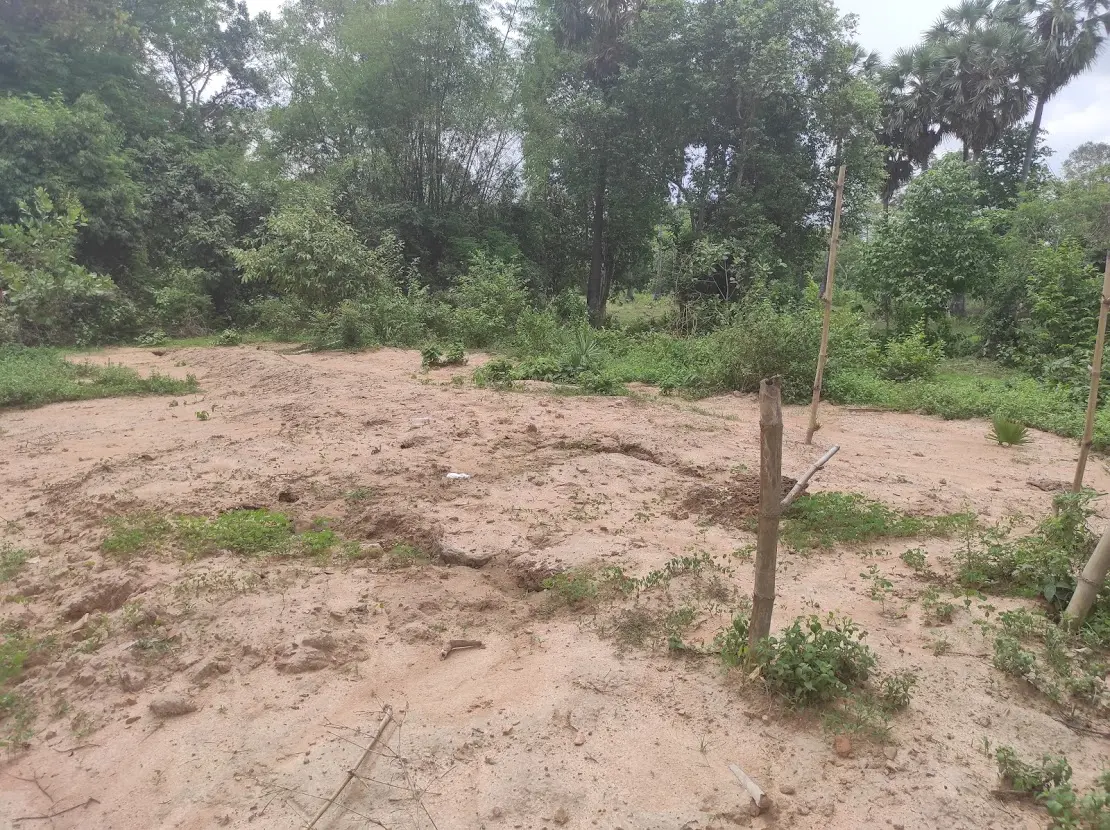
Area just north of the Phnom Bakheng east-west featuring laterite remains with basins to the east and west. In early 2020 it was an open archeological site and by mid-2020 it had been covered over once more. Gallery
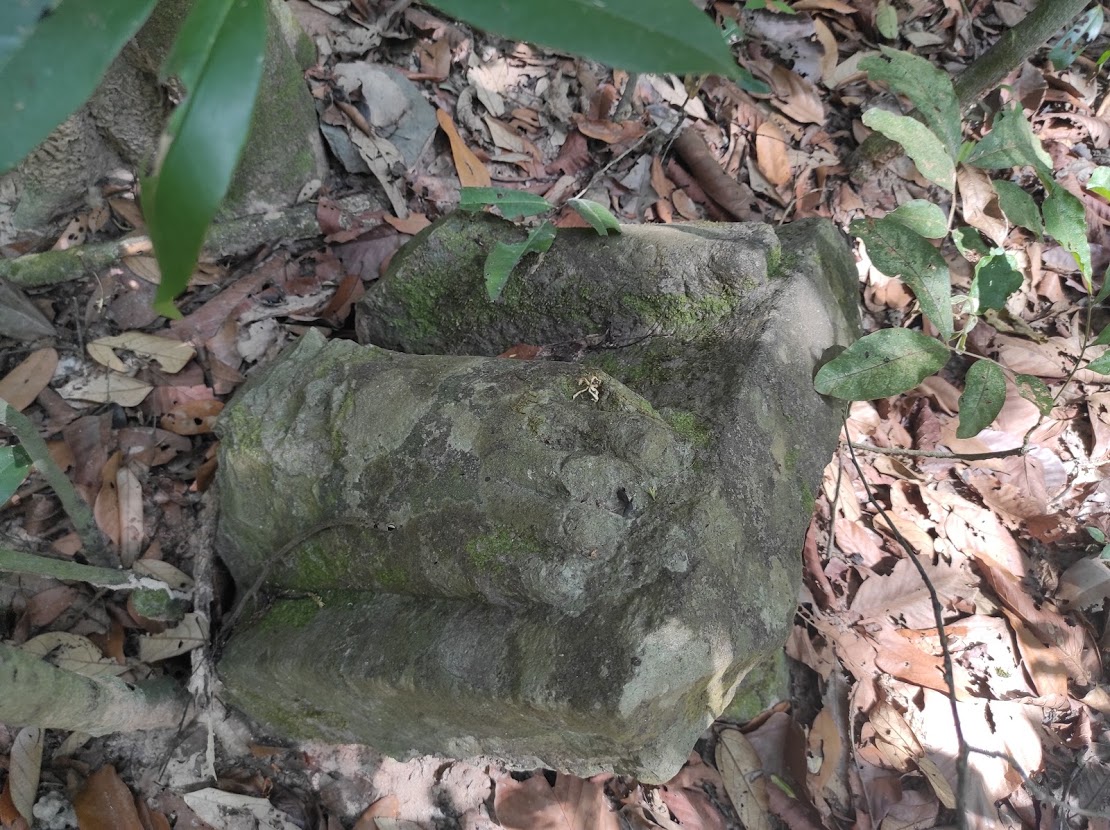
Location where the feet of a statue, a very decayed pedestal (similar style to the one seen to the north here), pottery shards, along with some other remains can be seen including a fire pit made of mortar which is likely very recent. The site appears to be a raised mound of around 40 m … Read more
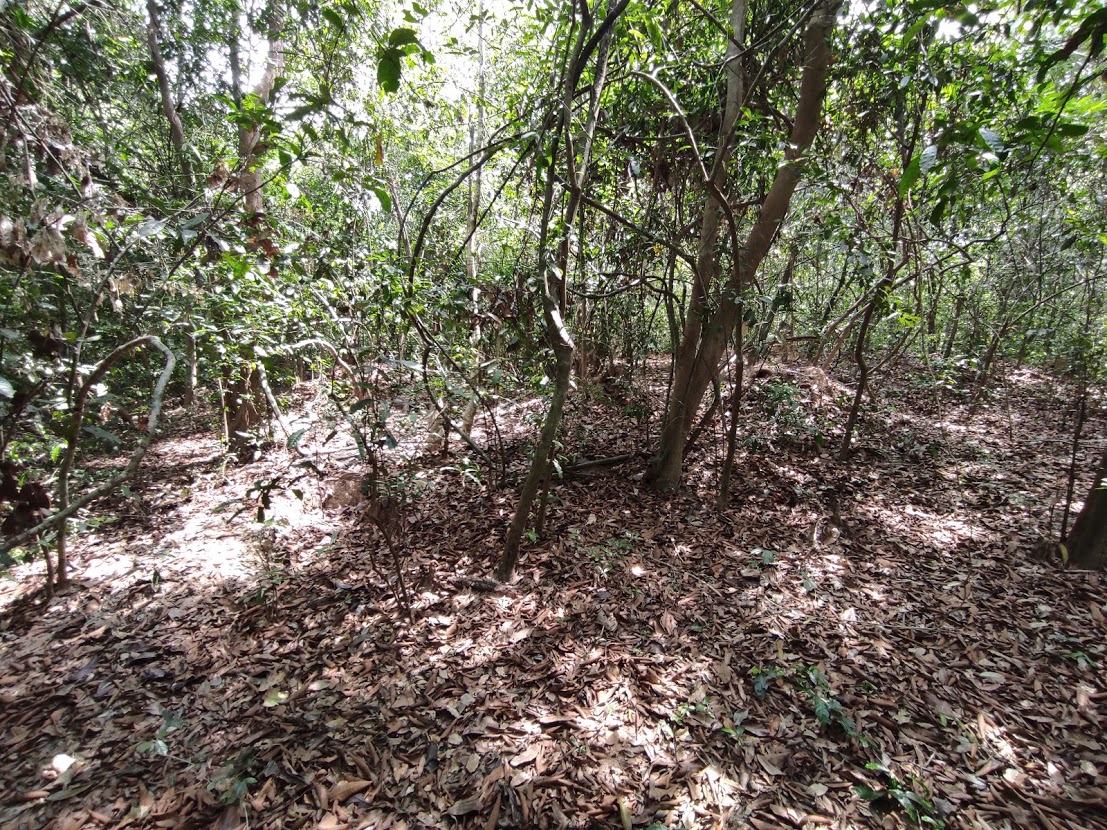
A high set mound around 50 m x 50 m surrounded by a moat with brick and sandstone remains. Gallery